
Indonesia Bans Social Media Use for Under-16s, First in Southeast Asia
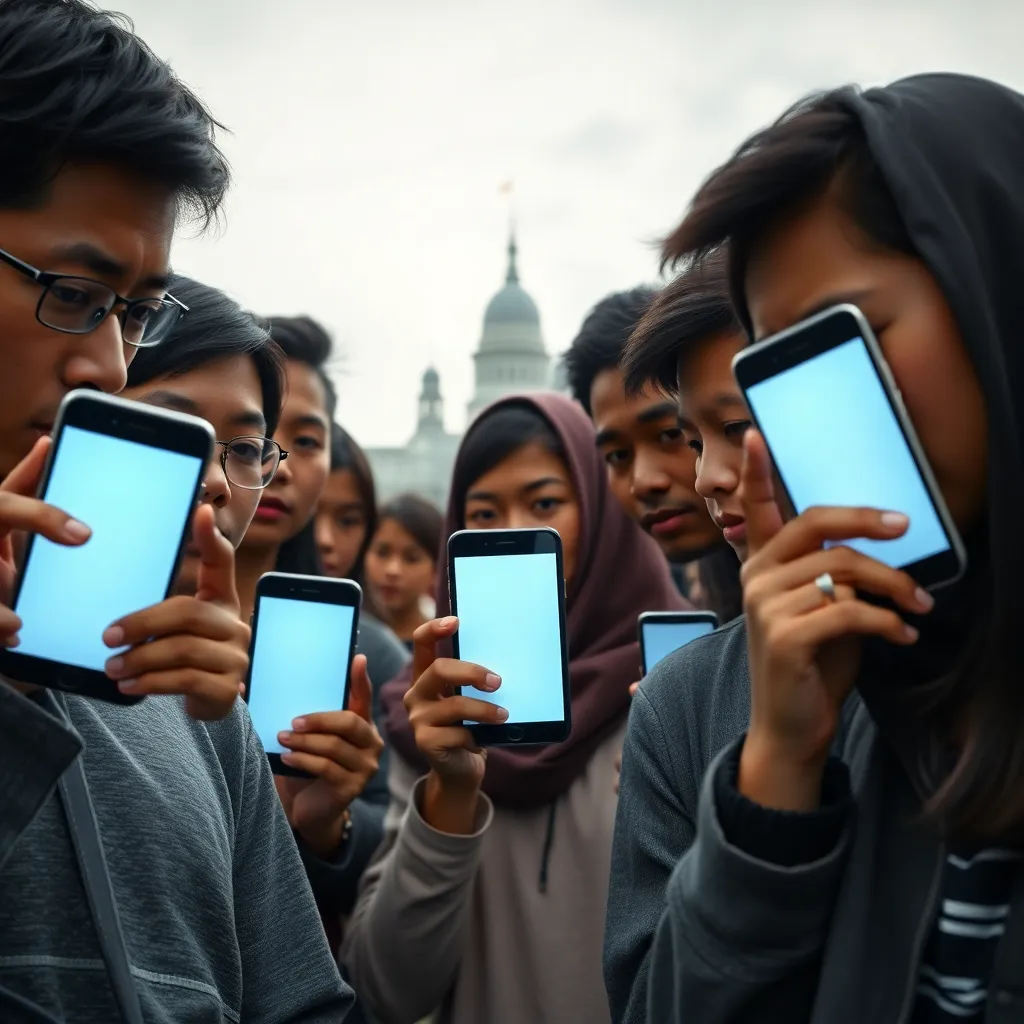
On 28 March 2026, Indonesia became the first Southeast Asian country to prohibit children under 16 from accessing major social media platforms. The regulation aims to protect nearly 70 million minors from online risks like cyberbullying, harmful content, and mental health issues. A phased enforcement approach includes penalties for non-compliant companies. This move aligns with global trends, including similar restrictions in Australia and proposals in Europe, highlighting growing international concern for online child safety.
On this page
Key Facts
Indonesia implemented a social media ban for individuals under the age of 16 starting on 28 March 2026.
The ban affects approximately 70 million Indonesian children, representing a large portion of the country’s youth demographic within its approximately 280 million population.
This regulation targets major social media platforms considered high risk, including video-sharing, messaging, and gaming services, by preventing minors from creating accounts.
Enforcement will be phased in, involving account deactivation and penalties such as fines or nationwide restrictions on platforms that fail to comply.
The policy was motivated by concerns over cyberbullying, exposure to harmful content, internet addiction, and declining mental health among children.
Background & Context
Indonesia’s government has taken a pioneering role in Southeast Asia by introducing this restriction amid rising worries about online safety for children. This policy echoes global trends where numerous countries implement tighter regulations around minors’ access to social media. For example, Australia requires children aged 13-16 to obtain parental consent and link accounts to a legal guardian, while European nations and Malaysia are considering or adopting similar age-restriction laws. These combined efforts reflect an international shift toward strengthening child protection frameworks in digital spaces.
Why This Matters for Exams
The Indonesian social media ban is a significant contemporary development in digital governance, child protection law, and international policy trends, making it a relevant topic for current affairs, social studies, and legal studies exams. Students should note the specific age limit (under 16), effective date (28 March 2026), scale (70 million children affected), and the regional/global context including comparative measures in Australia and Europe. Understanding these facts aids in comprehending the balance between digital access and child safety, a common theme in exam questions on technology regulation and youth rights.
Points to Remember
Indonesia is the first Southeast Asian country to ban social media use for individuals under 16.
The ban came into force on 28 March 2026, affecting nearly 70 million children.
Platforms classified as high risk, including popular video-sharing and messaging services, are covered.
Non-compliance may result in penalties such as fines and nationwide social media access restrictions.
The regulation responds to concerns over cyberbullying, harmful online content, internet addiction, and the mental health impact on minors.
Enforcement challenges exist, such as circumvention through tools like virtual private networks (VPNs).
Indonesia’s move contributes to and reflects a broader global trend towards strengthening digital safeguards for children, as seen in Australia, Europe, and other countries.
Sources & Further Reading
| Document / Website | Link |
|---|---|
| Indonesia bans social media use for under 16s | Open Indonesia bans social media use for under 16s ↗www.gktoday.in |
| Countries move to curb children's social media access | Open Countries move to curb children's social media access ↗www.reuters.com |
| In the wake of US social media verdicts, a look at what limits other countries impose | Open In the wake of US social media verdicts, a look at what limits other countries impose ↗apnews.com |