
RBI Resumes Issuing Fresh Licences for Urban Cooperative Banks After Over Two Decades
On 5 August 2026, the Reserve Bank of India announced the resumption of issuing fresh licences for Urban Cooperative Banks (UCBs), after a pause since 2004. The move accompanies draft guidelines for on-tap licensing, requiring eligible credit cooperative societies to have a minimum of 10 years of operation, deposits of at least ₹10,000 crore, net worth of ₹300 crore, a Capital to Risk-weighted Assets Ratio (CRAR) of at least 12%, and Net NPA ratio below 3%. Initial priority will be given to multi-state cooperative societies to ensure broader operational presence. This reform aims to strengthen governance, financial stability, and foster financial inclusion through cooperative banking.
On this page
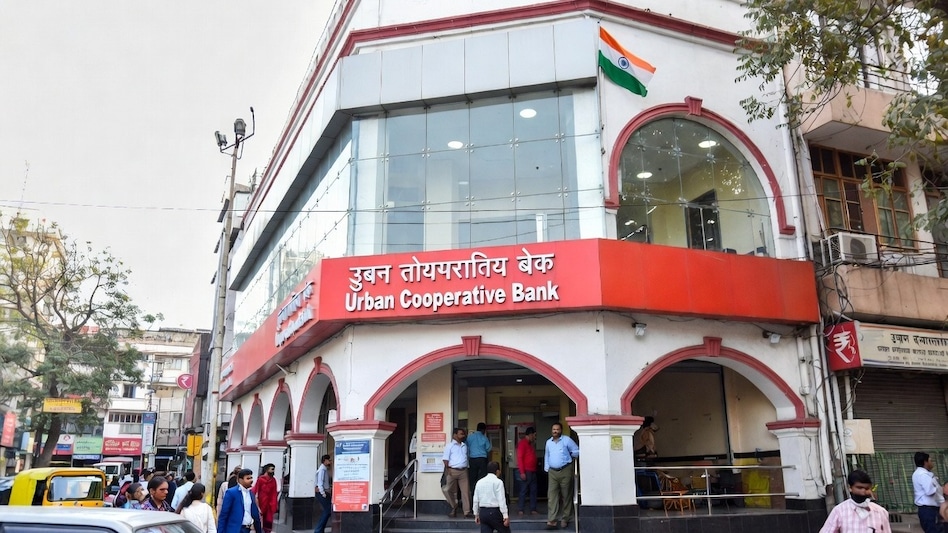
Key Facts
- Announcement date: 5 August 2026
- RBI resumes issuing fresh licences for Urban Cooperative Banks (UCBs) after more than 20 years, having paused issuance since 2004
- On-tap licensing system enables eligible credit cooperative societies to apply anytime during the open window
- Eligibility criteria include:
- Minimum 10 years of operations
- Minimum deposits of ₹10,000 crore as of previous financial year-end
- Minimum net worth of ₹300 crore as of previous financial year-end
- Capital to Risk-weighted Assets Ratio (CRAR) of at least 12%
- Net Non-Performing Asset (NPA) ratio below 3%
- Initially priority to multi-state cooperative societies registered under Multi-State Co-operative Societies Act, 2002
- No single member to hold more than 5% stake
- Licenses are issued selectively to societies with proven governance standards, sound financial track record, and compliance with regulatory norms
- Licensing decisions involve multiple layers of screening and due diligence, including inspection and evaluation committees within RBI
- Regulatory framework governed by Banking Regulation Act, 1949 and strengthened via Banking Regulation (Amendment) Act, 2020
Background & Context
Urban Cooperative Banks serve urban and semi-urban areas, providing banking services to small traders, salaried workers, and micro, small and medium enterprises (MSMEs). Due to financial instability, governance weaknesses, and sectoral failures, RBI halted the issuance of fresh UCB licences in 2004. The Banking Regulation (Amendment) Act, 2020 enhanced RBI's regulatory powers over cooperative banks to improve governance and stability. The recent decision to resume licences reflects improved financial health in the sector and RBI’s strategic approach to nurture cooperative banking through calibrated supervision and governance standards.
Why This Matters for Exams / Exam Relevance
This development is significant under Indian banking reforms, especially in cooperative sector regulation and financial inclusion. Understanding the eligibility criteria, regulatory framework, and timelines is crucial for questions related to banking regulation, cooperative institutions, financial stability measures, and RBI policies. The resumption after a two-decade halt, the on-tap licensing approach, and Governor Sanjay Malhotra’s announcements are important details for current affairs and economic governance topics.
Points to Remember
- RBI resumed issuing fresh licences to Urban Cooperative Banks on 5 August 2026 after a pause since 2004
- Licensing follows an on-tap model similar to universal banks to promote greater access and timely approvals
- Applicants must be credit cooperative societies with at least 10 years of history, ₹10,000 crore in deposits, and ₹300 crore net worth
- Strict prudential norms include CRAR ≥ 12% and Net NPA < 3%
- Initial preference is for multi-state cooperative societies to ensure widespread operational presence
- RBI's augmented regulatory powers after 2020 amendment act facilitate stronger supervision
- This move supports financial inclusion by enabling more robust cooperative banks in urban and semi-urban areas
Sources & Further Reading
| Document / Website | Link |
|---|---|
| RBI To Soon Release Draft Guidelines For On-Tap Licensing Of Urban Cooperative Banks, Paving Way For Fresh Licences | Open RBI To Soon Release Draft Guidelines For On-Tap Licensing Of Urban Cooperative Banks, Paving Way For Fresh Licences ↗www.freepressjournal.in |
| RBI issues draft norms for 'on-tap' licensing of urban co-operative banks | Mint | Open RBI issues draft norms for 'on-tap' licensing of urban co-operative banks | Mint ↗www.livemint.com |
| Urban Co-operative Banks: RBI Reopens Licensing Window - NEXT IAS | Open Urban Co-operative Banks: RBI Reopens Licensing Window - NEXT IAS ↗www.nextias.com |
| Urban Cooperative Banks (UCBs) – New RBI Eligibility Norms – Civilsdaily | Open Urban Cooperative Banks (UCBs) – New RBI Eligibility Norms – Civilsdaily ↗www.civilsdaily.com |
| Urban cooperative bank license applicants need a minimum Rs 300 crore of capital and Rs 10000 crore of deposits, says RBI - The Economic Times | Open Urban cooperative bank license applicants need a minimum Rs 300 crore of capital and Rs 10000 crore of deposits, says RBI - The Economic Times ↗economictimes.indiatimes.com |