
Supreme Court directs States to raise retirement age of District Judges to 62 years in seven consenting states
The Supreme Court of India has ordered seven states—Chhattisgarh, Karnataka, Madhya Pradesh, Maharashtra, Sikkim, Tamil Nadu, and West Bengal—to amend their judicial service rules to raise the retirement age of district judges from 60 to 62 years. This decision aims to address the high pendency of cases in district courts, currently exceeding 5.18 crore, by retaining experienced judicial officers longer. The extension to 62 years is subject to suitability assessment by the respective High Courts when judges reach 60. States not consenting to this change have been given two weeks to reconsider, with the next hearing scheduled for October 1, 2026. The Supreme Court also clarified that judicial officers form a separate service class from general state government employees, justifying different retirement ages due to their later entry age and distinct service regimes.
On this page
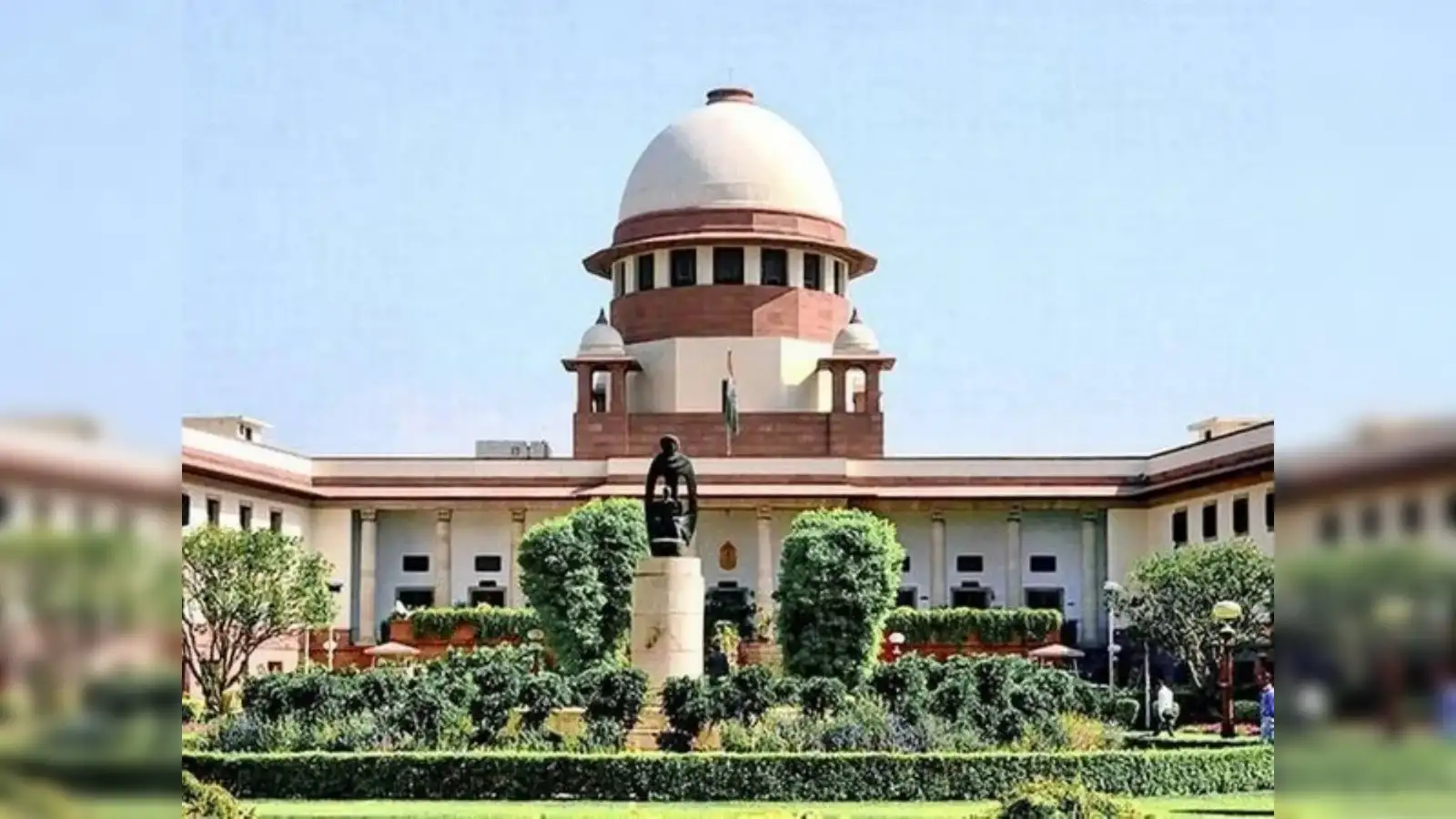
Key Facts
- The Supreme Court has directed seven consenting states to increase the retirement age of district judges from 60 to 62 years.
- The states are Chhattisgarh, Karnataka, Madhya Pradesh, Maharashtra, Sikkim, Tamil Nadu, and West Bengal.
- This extension is subject to a suitability assessment by the concerned High Court when a district judge attains 60 years of age.
- All seven states are required to amend their judicial service rules to reflect the new retirement age, ideally within two months.
- Judicial officers generally enter service at a higher age (around 27-28 years) compared to general state employees (around 18 years), leading to different service tenures and retirement ages.
- The Supreme Court clarified that general state government employees cannot claim parity with judicial officers for retirement age purposes due to differing recruitment ages, service structure, and constitutional roles.
- This move aims to reduce the large pendency of cases in district courts, which exceeds 5.18 crore.
- States that have not consented to this change have been given a two-week window to reconsider; the next hearing is scheduled for October 1, 2026.
Background & Context
Articles 233 to 237 of the Constitution of India provide the constitutional framework for the subordinate judiciary, including district judges. District judges are appointed by the Governor in consultation with the respective High Courts, which also exercise administrative and disciplinary control over them under Article 235. The retirement age of district judges had traditionally been set at 60 years in most states, unlike High Court judges who retire at 62 years and Supreme Court judges at 65 years.
Due to the high backlog of cases and shortages in the judicial workforce, the Supreme Court examined the possibility of raising the retirement age of district judges to 62 years to retain experienced judges longer. Several states consented to this change, while others did not. The Supreme Court emphasized the unique constitutional status of judicial officers, their later age of entry into service, and different service conditions, justifying a higher retirement age than general state government employees.
Why This Matters for Exams
This Supreme Court directive highlights important constitutional provisions relating to the judiciary, specifically Articles 233 to 237. It underscores the administrative relationship between High Courts and subordinate judiciary and the autonomy of the judicial service. Understanding the rationale behind differentiated retirement ages is crucial for grasping the structure and functioning of India's judicial system. This is relevant for exams covering Indian polity, judiciary, and governance reforms aimed at improving judicial efficiency and reducing case pendency.
Points to Remember
- District judges form part of the subordinate judiciary, constitutionally governed under Articles 233-237.
- Retirement age for district judges increased from 60 to 62 years in seven states, subject to consent and formal rule amendments.
- Extension is subject to suitability assessment by High Courts upon judges attaining 60 years of age.
- Judicial officers are a distinct service class with different recruitment age and service conditions compared to general state employees.
- Supreme Court judges retire at 65 years, High Court judges at 62 years, reflecting hierarchical service structure.
- The move aims to tackle judicial vacancies and backlog of more than 5.18 crore pending cases.
- States not consenting have two weeks to reconsider; next hearing scheduled for October 1, 2026.
Practice MCQs
Question 1
- Which articles of the Indian Constitution govern the appointment and service conditions of district judges?
- Articles 233 to 237
- Articles 124 to 130
- Articles 300 to 305
- Articles 141 to 145
Answer: Articles 233 to 237
Question 2
- According to the Supreme Court order, what is the revised retirement age for district judges in the seven consenting states?
- 60 years
- 61 years
- 62 years
- 65 years
Answer: 62 years
Question 3
- Which among the following states is NOT part of the seven states consenting to increase the retirement age of district judges?
- Chhattisgarh
- Karnataka
- Punjab
- Maharashtra
Answer: Punjab
Sources & Further Reading
| Document / Website | Link |
|---|---|
| Supreme Court Suggests Raising District Judges’ Retirement Age – GKToday | Open Supreme Court Suggests Raising District Judges’ Retirement Age – GKToday ↗www.gktoday.in |
| SC directs States and UTs to consider enhancement of retirement age for Judicial Officers | Akashvani News | Open SC directs States and UTs to consider enhancement of retirement age for Judicial Officers | Akashvani News ↗newsonair.gov.in |
| Articles 233 to 237 - Subordinate Courts | Open Articles 233 to 237 - Subordinate Courts ↗www.legaljourney.in |
| Can judicial officers retire later than other government employees? Here's what Supreme Court said | Open Can judicial officers retire later than other government employees? Here's what Supreme Court said ↗www.moneycontrol.com |