
Cabinet Approves BHAVYA Rasayan Scheme for Developing Three Chemical Parks
The Union Cabinet approved the BHAVYA Rasayan scheme on 24 July 2026 to allocate ₹3,030 crore over five years (FY 2026-27 to FY 2030-31) for establishing three dedicated chemical parks in India. Each park must have at least 2,000 acres of contiguous and encumbrance-free land. The Central Government will contribute up to ₹1,000 crore per park, requiring a minimum state government contribution of ₹500 crore. The parks will provide shared infrastructure—including common effluent treatment and hazardous waste management facilities—to improve efficiency and environment compliance in the chemical sector.
On this page
Key Facts
- The Union Cabinet approved the Bharat Audyogik Vikas Yojana Rasayan (BHAVYA Rasayan) scheme on 24 July 2026.
- The total financial outlay for the scheme is ₹3,030 crore, allocated for development during the Financial Years 2026-27 through 2030-31.
- The scheme aims to develop three dedicated chemical parks in India.
- Each park is required to have at least 2,000 acres (8 square kilometers) of contiguous, encumbrance-free land.
- The Central Government provides financial assistance of up to ₹1,000 crore per park, contingent upon a minimum contribution of ₹500 crore from the respective state government.
- Of the total ₹3,030 crore, ₹3,000 crore is earmarked for infrastructure development within these parks and ₹30 crore for administrative expenses.
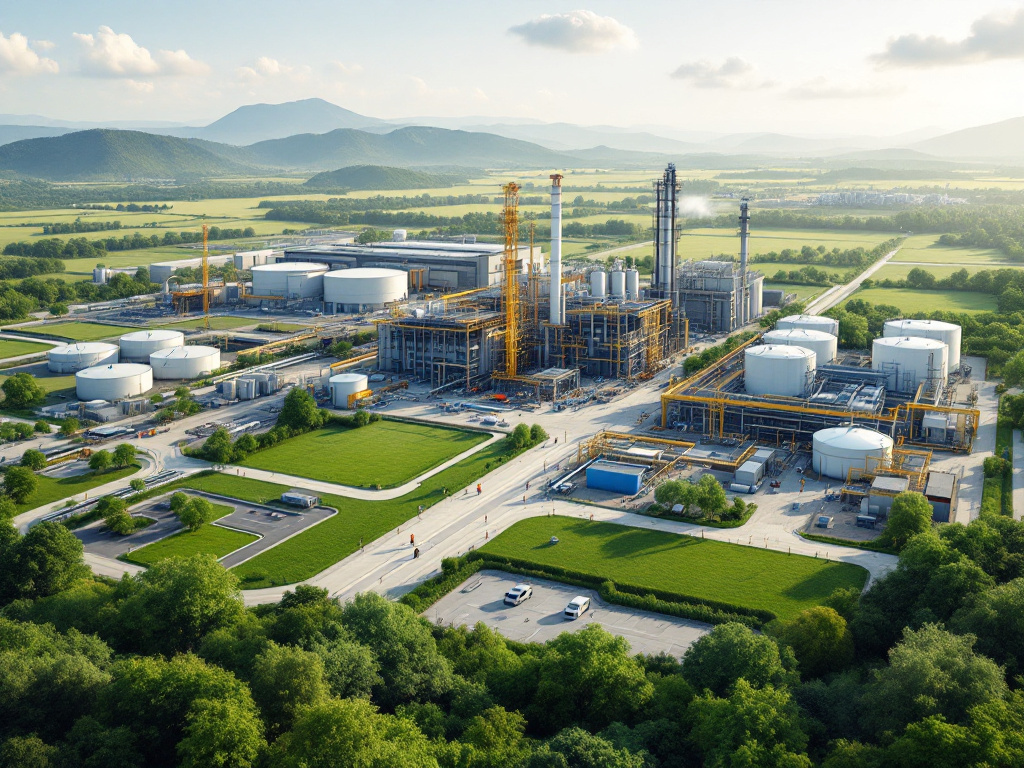
- The parks will operate on a plug-and-play model, facilitating easy industrial use.
- Planned facilities include Common Effluent Treatment Plants (CETPs), Treatment, Storage and Disposal Facilities (TSDFs), water supply systems, and logistics infrastructure.
Background & Context
The chemical sector in India encompasses fertilisers, petrochemicals, dyes, and speciality chemicals, constituting a significant segment of the nation’s manufacturing base. Industrial chemical parks serve as sector-specific industrial clusters that provide a shared ecosystem, including common infrastructure and utilities such as power, water, waste management, and logistics, which contribute to operational efficiency and environmental compliance.
The BHAVYA Rasayan scheme supports the chemical sector by developing such parks through a challenge-based selection process, whereby state governments compete based on specified criteria to develop these parks. This competitive approach aims to encourage quality infrastructure development and effective use of resources.
The parks require contiguous and encumbrance-free land to ensure seamless industrial operations. The plug-and-play model is designed to attract industries by providing readily available infrastructure and utilities, reducing the setup time and investment risks for companies.
Why This Matters for Exams / Exam Relevance
Understanding the BHAVYA Rasayan scheme is important as it represents a recent flagship government initiative focused on strengthening India's chemical manufacturing infrastructure. It highlights key government policy approaches such as challenge-based project selection, public–private partnership models, and industrial cluster development, which are common themes in competitive examinations related to governance, economics, and industrial policy.
Knowledge of scheme specifics—funding allocations, implementation timeframe, eligibility criteria for states, and infrastructural components—is relevant for exam candidates to answer questions on government efforts towards industrial growth and environmental sustainability.
Points to Remember
- Scheme Name: Bharat Audyogik Vikas Yojana Rasayan (BHAVYA Rasayan)
- Approval Date: 24 July 2026
- Total Budget: ₹3,030 crore (₹3,000 crore for infrastructure development + ₹30 crore for administrative expenses)
- Duration: Financial Year 2026-27 to 2030-31
- Number of Parks: Three
- Land Requirement: Minimum 2,000 acres (8 sq. km) contiguous and encumbrance-free land per park
- Funding Pattern: Central assistance up to ₹1,000 crore per park with required minimum ₹500 crore contribution from state governments
- Facilities Provided: Common Effluent Treatment Plants (CETPs), Treatment, Storage and Disposal Facilities (TSDFs), water supply systems, and logistics infrastructure
- Selection Process: Challenge-based selection for state governments
Sources & Further Reading
| Document / Website | Link |
|---|---|
| Cabinet Approves BHAVYA Rasayan Scheme | Open Cabinet Approves BHAVYA Rasayan Scheme ↗www.gktoday.in |
| Chemical Industry in India: Overview and Prospects | Open Chemical Industry in India: Overview and Prospects ↗dpiit.gov.in |
| Role of Industrial Parks in India | Open Role of Industrial Parks in India ↗industry.gov.in |