
India Bans Sugar Exports Until September 2026 to Ensure Domestic Supply
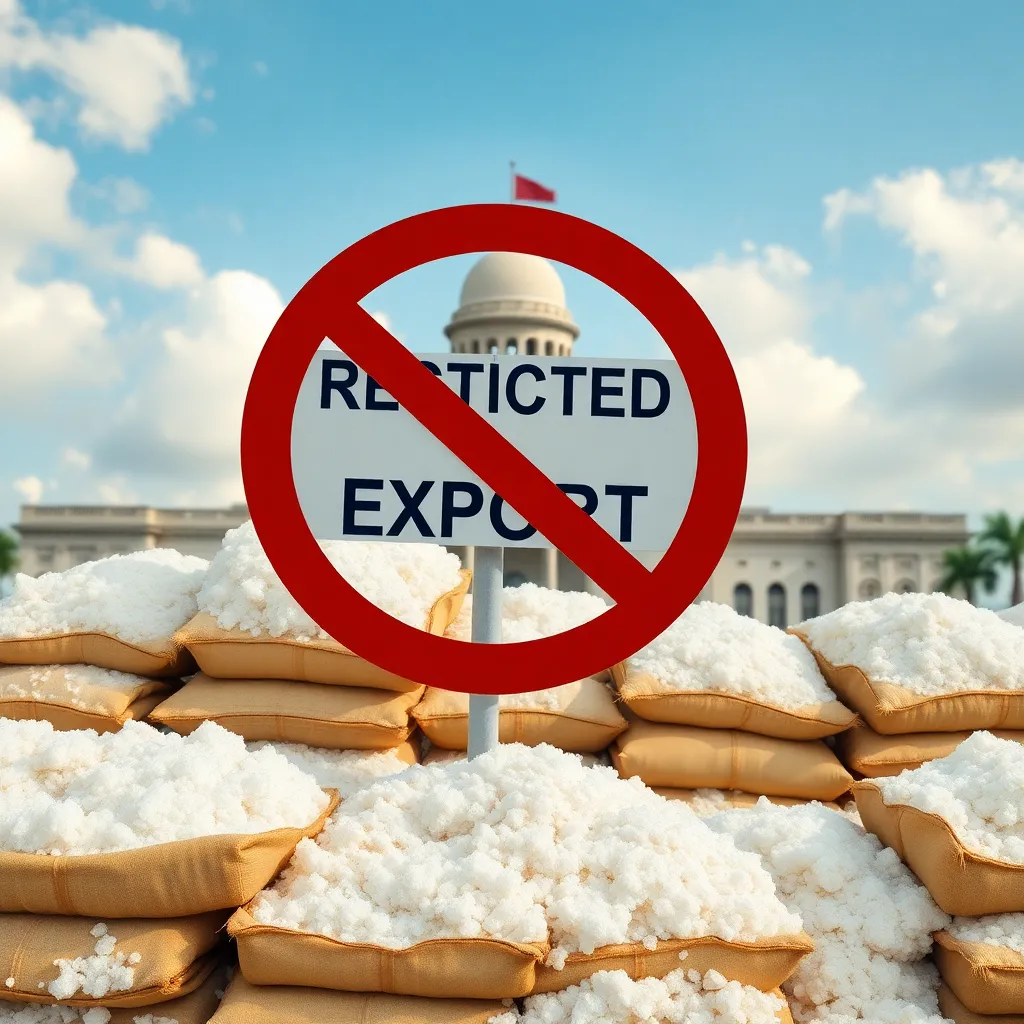
On 13 May 2026, India’s Ministry of Commerce and Industry, via the Directorate General of Foreign Trade (DGFT), banned the export of raw, white, and refined sugar until 30 September 2026 or until further notice. This policy shift moves sugar from the 'restricted' to the 'prohibited' category under Foreign Trade Policy to safeguard domestic availability amid lower domestic sugar production and weakened sugarcane yields for two consecutive years. Exemptions apply for shipments under the Advance Authorisation Scheme, exports to the EU and US under tariff quota agreements, government-to-government shipments, and consignments already in transit.
On this page
Key Facts
- The export ban on sugar was notified on 13 May 2026 and is effective immediately until 30 September 2026, or until further orders.
- The ban covers raw sugar, white sugar, and refined sugar classified under ITC (HS) Codes 1701 14 90 and 1701 99 90.
- Exemptions exist for shipments to the European Union and United States under Customs Tariff Quota (CXL and TRQ) arrangements, exports under the Advance Authorisation Scheme (AAS), government-to-government shipments for food security, and consignments already in the export pipeline.
- The Directorate General of Foreign Trade (DGFT) operates under the Ministry of Commerce and Industry and issues notifications under the Foreign Trade (Development and Regulation) Act, 1992.
- The ban was prompted by falling domestic sugar production, primarily due to lower sugarcane yields in key producing states such as Maharashtra and Karnataka for the second consecutive year, along with concerns about monsoon disruption linked to El Niño conditions.
Background & Context
India is the world's second-largest sugar producer and a major sugar exporter. Despite earlier expectations of surplus production, reduced cane yields and potential monsoon uncertainty owing to El Niño have created a supply concern. The government’s export ban emphasizes protecting domestic sugar availability and stabilizing prices amidst rising inflationary pressures and external uncertainties. The policy also factors India's ongoing ethanol blending targets, which divert sugarcane towards ethanol production, further impacting sugar availability.
Why This Matters for Exams / Exam Relevance
This move illustrates the government's role in regulating agricultural exports to balance domestic food security with trade commitments. It highlights the legal framework of the Foreign Trade Policy and mechanisms like DGFT notifications, ITC HS codes classification, tariff quota arrangements, and trade policy tools such as the Advance Authorisation Scheme. The impact of climatic phenomena like El Niño on Indian agriculture and commodity markets is critical for geography and economics exams. Understanding such policy responses is relevant for competitive exams covering Indian economy, commerce, and agriculture.
Points to Remember
- Export ban includes all forms of sugar: raw, white, and refined.
- Exemptions exist for quota-based exports to the EU and US, Advance Authorisation Scheme exports, government-to-government shipments, and in-transit consignments.
- Ban effective 13 May 2026 until 30 September 2026 or further orders; if not extended, sugar export policy reverts to 'restricted'.
- Lower cane yields in Maharashtra and Karnataka and anticipated El Niño weather pattern threaten domestic supply.
- DGFT issues trade policy notifications under the Ministry of Commerce and Industry.
- India aims to increase ethanol blending, affecting sugar production and export availability.
Sources & Further Reading
| Document / Website | Link |
|---|---|
| India bans sugar exports with immediate effect until September 2026 | DD News | Open India bans sugar exports with immediate effect until September 2026 | DD News ↗ddnews.gov.in |
| India bans sugar exports till Sept 2026 to cool domestic prices - India Today | Open India bans sugar exports till Sept 2026 to cool domestic prices - India Today ↗www.indiatoday.in |
| India bans sugar exports till Sept 2026 as Centre moves to cool domestic prices, ensure supply | Livemint | Open India bans sugar exports till Sept 2026 as Centre moves to cool domestic prices, ensure supply | Livemint ↗www.livemint.com |