
India's ACME Group Signs $1 Billion Deal with Mitsubishi Gas Chemical for Green Methanol Supply
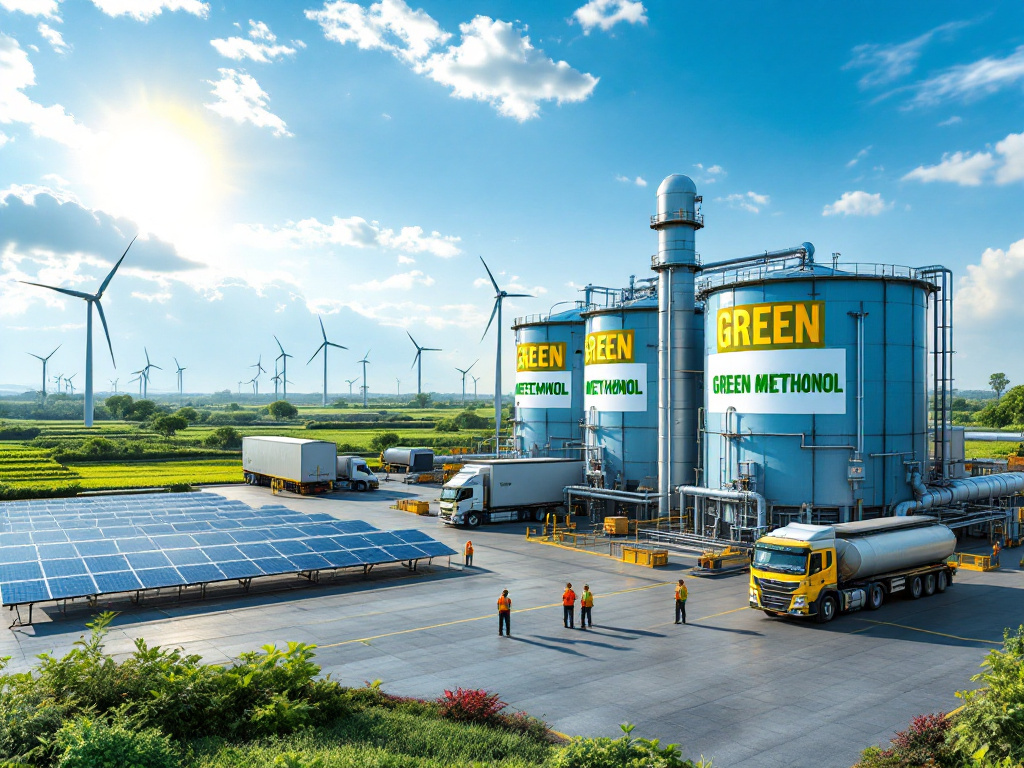
On 3 July 2026, ACME Green Molecules Business, part of India's ACME Group, signed a binding long-term purchase and sale agreement with Japan's Mitsubishi Gas Chemical Company (MGC) to supply 100,000 tonnes per annum of green methanol. The agreement, valued at approximately USD 1 billion, supports global decarbonization in maritime and industrial fuels by providing a renewable, low-carbon alternative compliant with European Union Renewable Fuels of Non-Biological Origin (RFNBO) regulations and future International Maritime Organization (IMO) carbon-intensity standards. Production will occur at ACME’s facility in Paradip, Odisha, marking a major investment in the region's renewable energy sector and India's emergence as a green fuel exporter.
On this page
Key Facts
- Date of agreement: 3 July 2026
- Parties involved: ACME Green Molecules (India) and Mitsubishi Gas Chemical Company (Japan)
- Quantity: 100,000 tonnes per annum of green methanol
- Deal value: Approximately USD 1 billion
- Production location: Paradip, Odisha, India
- Standards: Compliant with EU RFNBO regulations and expected to meet future IMO shipping fuel carbon-intensity rules
Background & Context
Green methanol is a sustainable fuel made from renewable feedstocks, distinct from conventional methanol by substantially lower lifecycle greenhouse gas emissions. As the maritime industry seeks to reduce its carbon footprint, green methanol is emerging as an important alternative marine fuel due to its ability to integrate with existing infrastructure with modest modifications. The EU's RFNBO classification defines renewable fuels of non-biological origin, establishing stringent production criteria to ensure low carbon intensity, which influence international trade and regulatory acceptance. The IMO, the United Nations agency for shipping, regulates marine fuel emissions and is advancing carbon intensity standards to promote cleaner fuels globally.
Why This Matters for Exams / Exam Relevance
This landmark agreement highlights India's strategic role in the global transition to renewable energy and low-carbon maritime fuels. It exemplifies international collaboration between India and Japan in the green fuels sector and demonstrates India's National Green Hydrogen Mission's progress. Understanding such agreements involves knowledge of renewable energy technologies, international regulatory frameworks like the EU RFNBO and IMO requirements, and India's regional industrial development (e.g., Paradip in Odisha). Exam questions on India's renewable energy initiatives, international trade in green technologies, and maritime environmental policies may cover this topic.
Points to Remember
- ACME Group is a leading Indian company specializing in green hydrogen and green molecule production.
- Mitsubishi Gas Chemical Company is a major Japanese chemical firm expanding into green fuel markets.
- Green methanol is produced from renewable sources, offering a low-carbon marine fuel option compatible with existing port and ship modifications.
- Paradip, Odisha, is a significant industrial and port hub fostering green energy investments in India.
- EU RFNBO standards set criteria for renewable fuels to ensure low carbon emissions and play a critical role in sustainable fuel trade.
- The International Maritime Organization regulates marine fuel emissions and is advancing carbon intensity standards to reduce global shipping pollution.
- The deal, signed on 3 July 2026, is valued at about USD 1 billion, linking Indian production with Japanese consumption in global green fuel markets.
Sources & Further Reading
| Document / Website | Link |
|---|---|
| India signs first global green methanol supply deal | Open India signs first global green methanol supply deal ↗www.gktoday.in |
| ACME Green Molecules, Mitsubishi Gas Chemical sign $1 billion green methanol supply deal - The Economic Times | Open ACME Green Molecules, Mitsubishi Gas Chemical sign $1 billion green methanol supply deal - The Economic Times ↗economictimes.indiatimes.com |
| Mitsubishi Gas Chemical and ACME Group Sign Agreement for the Purchase and Sale of Green Methanol | Open Mitsubishi Gas Chemical and ACME Group Sign Agreement for the Purchase and Sale of Green Methanol ↗www.mgc.co.jp |
| Green Methanol as a Marine Fuel - EnviroPower Renewable Inc. | Open Green Methanol as a Marine Fuel - EnviroPower Renewable Inc. ↗eprenewable.com |
| Europe's Definition of Green Hydrogen (RFNBO) Adopted into EU Law | Open Europe's Definition of Green Hydrogen (RFNBO) Adopted into EU Law ↗www.kslaw.com |
| ACME to Set Up 200 KTPA Green Methanol Facility in Odisha | Open ACME to Set Up 200 KTPA Green Methanol Facility in Odisha ↗chemindigest.com |
| Green Methanol: A Deep Dive into the Alternative Marine Fuel - Port of Seattle | Open Green Methanol: A Deep Dive into the Alternative Marine Fuel - Port of Seattle ↗www.portseattle.org |
| India emerging as reliable green fuel supplier: Renewable Energy Secretary Santosh Kumar Sarangi - The Economic Times | Open India emerging as reliable green fuel supplier: Renewable Energy Secretary Santosh Kumar Sarangi - The Economic Times ↗economictimes.indiatimes.com |