
India’s EV Battery Demand to Surge Tenfold by 2032
India's electric vehicle (EV) battery demand is projected to increase dramatically from 20 GWh in 2025 to 200 GWh by 2032, representing a tenfold growth. This projection is based on a study by the Indian Energy Storage Alliance (IESA) in collaboration with Customized Energy Solutions, to be released at the 12th India Energy Storage Week in New Delhi. The rapid increase in EV adoption is transforming the industry from a policy-driven initiative to a large industrial ecosystem with significant opportunities in battery manufacturing, supply chain localization, and advanced technologies. Electric two-wheelers dominate current sales, with passenger cars and light commercial fleets expected to drive further demand.
On this page
Key Facts
- India's EV battery demand is forecasted to rise from 20 GWh in 2025 to 200 GWh by 2032, a tenfold increase.
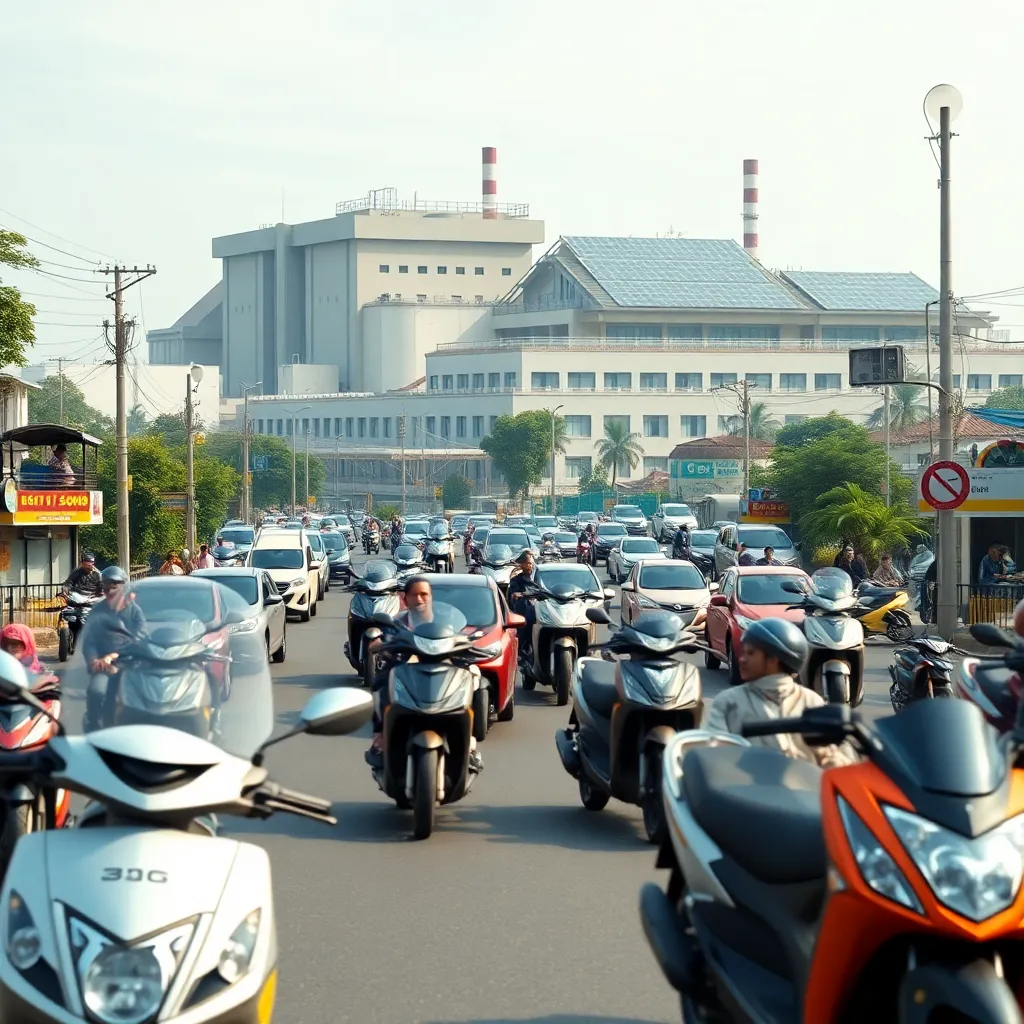
- EV sales in India in 2025 crossed 2.5 million units, with electric two-wheelers accounting for 1.5 million and electric three-wheelers for 0.7 million units.
- Nickel Manganese Cobalt (NMC) battery chemistry holds approximately 70% market share in electric two-wheeler batteries; Lithium Iron Phosphate (LFP) chemistry is gaining traction in other EV segments.
- Motor technology usage: Brushless DC (BLDC) motors constitute 71% share in electric two-wheelers; Permanent Magnet Synchronous Motors (PMSM) hold over 90% share in electric passenger vehicles.
- The study emphasizing these findings was prepared by the Indian Energy Storage Alliance (IESA) and Customized Energy Solutions (CES), planned for release at the 12th India Energy Storage Week in New Delhi (8-10 July).
Background & Context
India's electric vehicle market is transitioning from policy-driven adoption toward developing a full-fledged industrial ecosystem encompassing battery manufacturing, advanced motor technology, power electronics, and supply chain localization. The expected tenfold increase in battery demand reflects both projected vehicle sales growth and technological advancements in battery chemistries and components. This growing demand creates strategic opportunities for India to become a global hub for EV component manufacturing and supply chain development.
Why This Matters for Exams / Exam Relevance
This topic is highly relevant for competitive exams focusing on India's energy transition, sustainable development, and Make in India initiatives. Understanding the scale of EV market growth, battery technology evolution, government incentives, and the strategic importance of supply chain localization is essential for questions on renewable energy policies, industrial development, and environmental goals.
Points to Remember
- Projected EV battery demand rise: 20 GWh (2025) to 200 GWh (2032).
- Electric vehicle sales in 2025: Over 2.5 million units, dominated by two- and three-wheelers.
- Dominant battery chemistries: NMC (nickel manganese cobalt) mainly for two-wheelers; LFP gaining in other vehicle segments.
- Motors used: BLDC motors prevalent in two-wheelers; PMSM motors in passenger EVs.
- Study by IESA and CES highlights transition from policy to industrial ecosystem.
- The 12th India Energy Storage Week (July 8-10, New Delhi) will feature this study's release.
Sources & Further Reading
| Document / Website | Link |
|---|---|
| India's EV battery demand to grow 10 times to 200 GWh by 2032: IESA - The Economic Times | Open India's EV battery demand to grow 10 times to 200 GWh by 2032: IESA - The Economic Times ↗economictimes.indiatimes.com |
| India EV battery demand to rise tenfold to 200 GWh by 2032: IESA - The HinduBusinessLine | Open India EV battery demand to rise tenfold to 200 GWh by 2032: IESA - The HinduBusinessLine ↗www.thehindubusinessline.com |
| Electric Vehicles in India - NITI Aayog Report | Open Electric Vehicles in India - NITI Aayog Report ↗www.niti.gov.in |
| From cell to scale: Mapping India's EV battery supply ecosystem | Open From cell to scale: Mapping India's EV battery supply ecosystem ↗www.praxisga.com |