
N. Chandrasekaran Announces Non-Reappointment as Chairman of Tata Sons
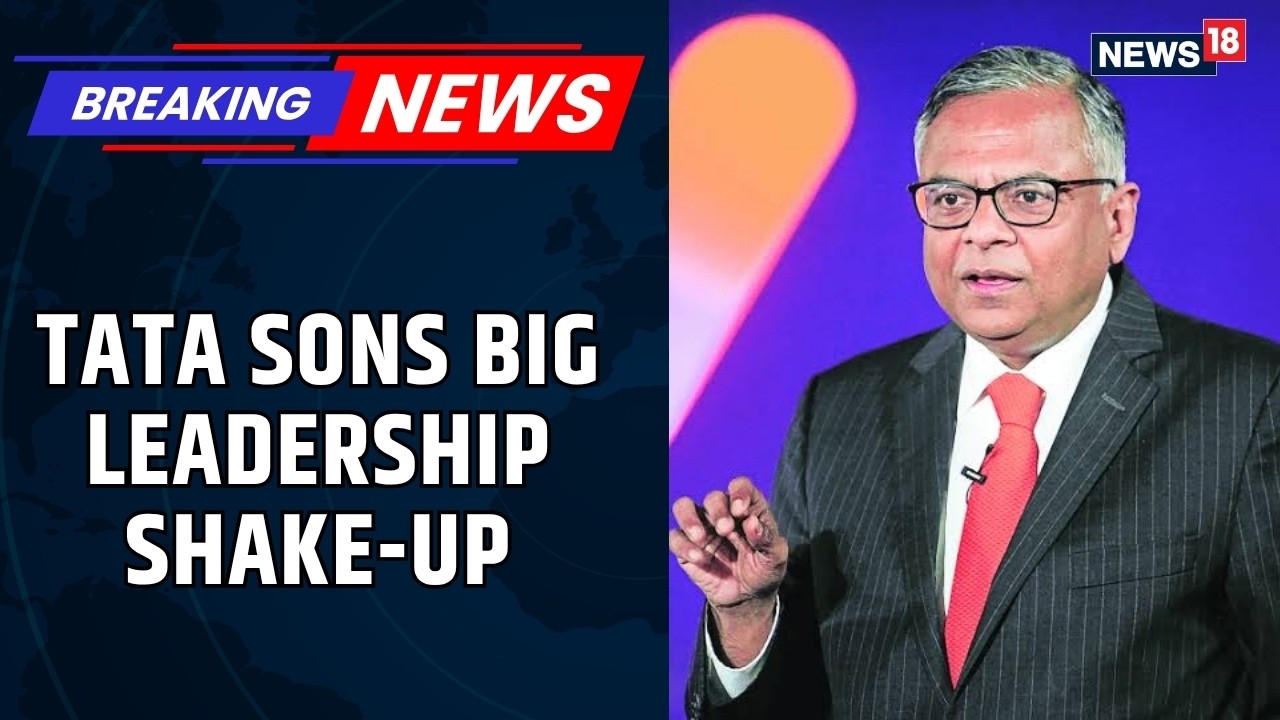
Natarajan Chandrasekaran, Chairman of Tata Sons, announced he will complete his current term ending on 20 February 2027 but will not seek reappointment. His decision follows internal board differences over governance issues including the listing of Tata Sons and strategic alignment between Tata Sons and Tata Trusts. He has requested the board to initiate succession planning immediately to ensure smooth leadership transition.
On this page
Key Facts
- N. Chandrasekaran will complete his current term as Chairman of Tata Sons ending on 20 February 2027 and will not seek a reappointment.
- He joined the Tata Group in 1987, became Chief Executive Officer of Tata Consultancy Services (TCS) in 2009, and was appointed Chairman of Tata Sons in 2017.
- Tata Sons is the principal holding company of the Tata Group, with 66% ownership held by Tata Trusts through entities such as the Sir Dorabji Tata Trust and Sir Ratan Tata Trust.
- Board disagreements emerged over governance issues, including the listing of Tata Sons on stock exchanges and financial losses in some newly acquired and greenfield businesses.
- Noel Tata, Chairman of Tata Trusts, opposed Chandrasekaran's reappointment beyond 2027, citing concerns such as business losses and governance strategy alignment.
- Chandrasekaran requested the Tata Sons board to immediately begin the succession process to ensure an orderly leadership transition.
- The Tata Sons Annual General Meeting was scheduled for 18 August 2026, prior to which Chandrasekaran announced his decision.
- Tata Group stocks, including Tata Consultancy Services, declined by up to 4.1% following the announcement.
Background & Context
Tata Sons acts as the central holding company of the Tata Group, one of India’s largest and most diversified business conglomerates. Chandrasekaran’s decade-long leadership since 2017 included overseeing critical transformations such as managing Air India’s acquisition and steering the group through digital and technology ventures. Tata Trusts hold a majority stake in Tata Sons, imparting significant influence on governance decisions. Tata Trusts chairman Noel Tata’s opposition to Chandrasekaran’s tenure extension exposed boardroom tensions centering on strategic alignment, governance, and the decision whether to maintain Tata Sons as an unlisted company—a debate that has been ongoing. These internal disagreements ultimately led to Chandrasekaran’s decision not to seek reappointment and to prompt early succession planning.
Why This Matters for Exams / Exam Relevance
This event is significant for objective and descriptive questions in competitive exams relating to corporate governance, leadership transitions, and ownership structures of major Indian conglomerates. Candidates should note important details such as key persons (N. Chandrasekaran, Noel Tata), organizational structure (Tata Sons as principal holding company with majority ownership by Tata Trusts), key dates (term ending 20 February 2027, AGM on 18 August 2026), and the impact of governance issues on stock markets. Understanding this case exemplifies challenges in corporate governance within family-influenced Indian business groups, the role of holding companies, and strategic management of succession.
Points to Remember
- Natarajan Chandrasekaran’s career milestones: joined Tata Group (1987), TCS CEO (2009), Tata Sons Chairman (2017).
- Tata Sons ownership structure: 66% held by Tata Trusts through entities like Sir Dorabji Tata Trust.
- Boardroom challenges included disputes over Tata Sons’ listing status and losses in new and acquired businesses (e.g., Air India, BigBasket).
- Noel Tata opposed tenure extension due to strategic and financial concerns.
- Chandrasekaran’s resignation announced ahead of 18 August 2026 AGM, term ends February 2027.
- Following announcement, Tata Group shares, including TCS, dropped approximately 4%.
- Succession planning emphasized to maintain corporate stability.
Sources & Further Reading
| Document / Website | Link |
|---|---|
| N Chandrasekaran resigns as Tata Sons chairman | Open N Chandrasekaran resigns as Tata Sons chairman ↗www.gktoday.in |
| Tata Sons succession buzz: Chandrasekaran's third term put on hold amid boardroom tensions | Open Tata Sons succession buzz: Chandrasekaran's third term put on hold amid boardroom tensions ↗www.outlookbusiness.com |
| Tata Sons Chairman N Chandrasekaran Steps Down, Won't Seek Reappointment | Open Tata Sons Chairman N Chandrasekaran Steps Down, Won't Seek Reappointment ↗www.ndtv.com |