
NSE Gets SEBI NOC for Corporate Bond Index Futures: Status and Exam Context
NSE received a No Objection Certificate from SEBI on 1 October 2026 for futures on a corporate bond index. The launch still needs RBI approval, and no trading date or contract details were given in the sources reviewed.
On this page
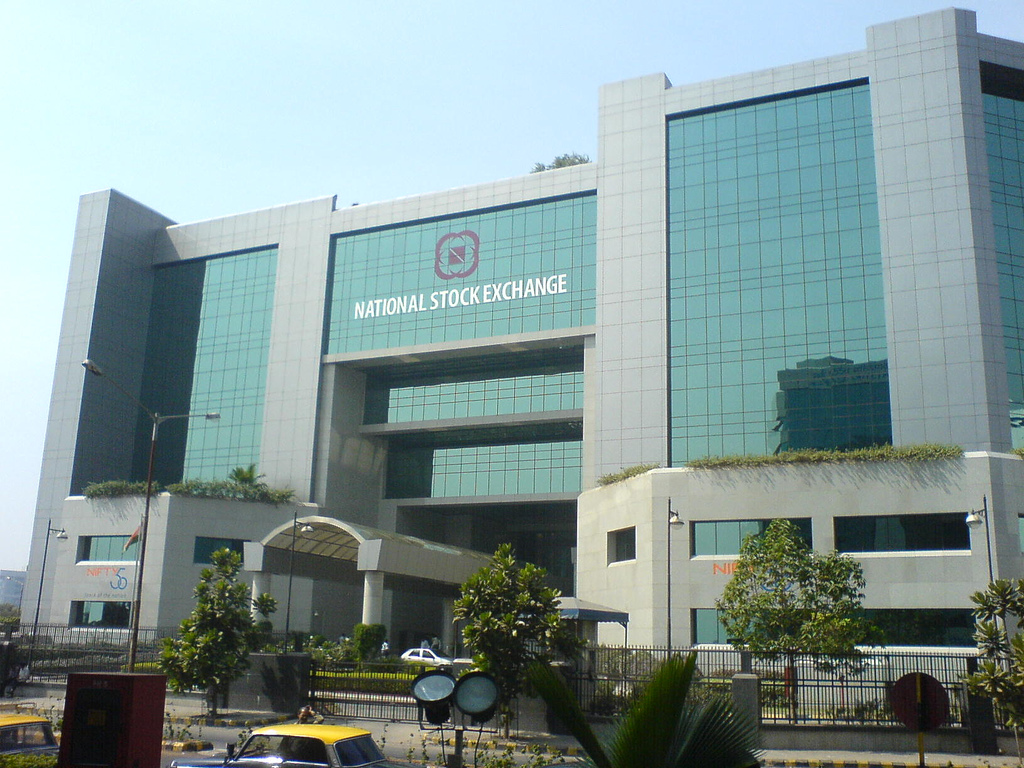

The National Stock Exchange of India (NSE) received a No Objection Certificate (NOC) from the Securities and Exchange Board of India (SEBI) on 1 October 2026 to introduce futures contracts on a corporate bond index. As of 2 October 2026, the sources reviewed describe the product as proposed. Its introduction is still subject to approval from the Reserve Bank of India (RBI), so trading has not been reported as started.
What happened and when
| Item | Status in the sources |
|---|---|
| SEBI NOC to NSE | Received; reported on 1 October 2026 |
| RBI approval | Required; not reported as granted |
| Launch or trading date | Not stated in the sources |
| Index name and contract specifications | Not stated in the sources |
Both sources reviewed, GKToday and ETCFO (via ANI), were published on 1 October 2026, the same day as the reported NOC. ETCFO says NSE announced the development in a press release on Thursday, which is 1 October 2026. The sources do not say when SEBI issued the NOC beyond this date.
What are corporate bond index futures?
Basic concept
A futures contract is a standardised derivative whose value depends on an underlying asset or index. Here the underlying is a corporate bond index. Corporate bonds are debt securities issued by companies to raise money for operations, refinancing or expansion.
How NSE describes the purpose
According to NSE's statement as reported by ETCFO, the product is meant to offer:
- an additional avenue for risk management and portfolio hedging;
- price discovery in the corporate bond market;
- support for market making, since participants could manage the market risk of their corporate bond portfolios;
- a way to take positions linked to a corporate bond index through exchange-traded contracts.
Why it matters
Exchange-traded interest-rate and bond-linked derivatives are part of the effort to deepen India's debt market. Sriram Krishnan, NSE's Chief Business Development Officer, called the NOC an important milestone for India's fixed-income markets. He said a developed derivatives ecosystem could support more efficient risk transfer and greater institutional participation. This is NSE's own view. The sources do not offer independent evidence of how the product will perform.
For scale, GKToday reports that India's outstanding corporate bonds were ₹61.05 trillion (about US$636.07 billion) as of August 2026. This figure comes from a single source and the underlying data source is not named, so treat it as reported rather than independently checked.
Regulatory roles to remember
- SEBI: regulates India's securities markets under the SEBI Act, 1992. It issued the NOC in this case.
- RBI: is the monetary authority and has a role in approving certain debt-market and interest-rate related instruments. Its approval is still needed before introduction, according to the sources.
- NSE: is the exchange proposing the product. GKToday notes it was established in 1992.
Exam-relevant context
This topic fits economy, banking and financial-markets sections of current-affairs preparation. Useful points to keep clear:
- An NOC is not the same as a product launch. The RBI approval step is still pending in the reported account.
- Corporate bonds belong to the debt market, which also includes government securities and treasury bills.
- Futures are standardised exchange-traded derivatives, and fixed-income derivatives derive value from debt securities, interest rates or bond indices.
This summary does not predict that any exam question will be asked on this topic.
What the sources do not say
The sources do not give a launch date, the name of the underlying index, lot size, expiry cycle or margin rules. They also give no timeline for RBI's decision. Check official NSE, SEBI and RBI notices for these details before treating them as settled.
FAQ
Have corporate bond index futures started trading on NSE?
Not according to the sources reviewed. They describe the product as proposed and say its introduction remains subject to RBI approval.
Who gave the NOC?
SEBI gave the NOC to NSE, as reported on 1 October 2026.
Sources & Further Reading
| Document / Website | Link |
|---|---|
| NSE Gets SEBI Nod for Corporate Bond Index Futures – GKToday | Open NSE Gets SEBI Nod for Corporate Bond Index Futures – GKToday ↗www.gktoday.in |
| NSE Receives SEBI Approval for Corporate Bond Index Futures to Enhance Market Efficiency, ETCFO | Open NSE Receives SEBI Approval for Corporate Bond Index Futures to Enhance Market Efficiency, ETCFO ↗cfo.economictimes.indiatimes.com |
| Latest News on sebi approval - ANI News - Asia’s Premier News Agency | Open Latest News on sebi approval - ANI News - Asia’s Premier News Agency ↗www.aninews.in |