
ONGC Approves 1.75 Million Metric Tonnes Expansion of Strategic Petroleum Reserve at Mangaluru
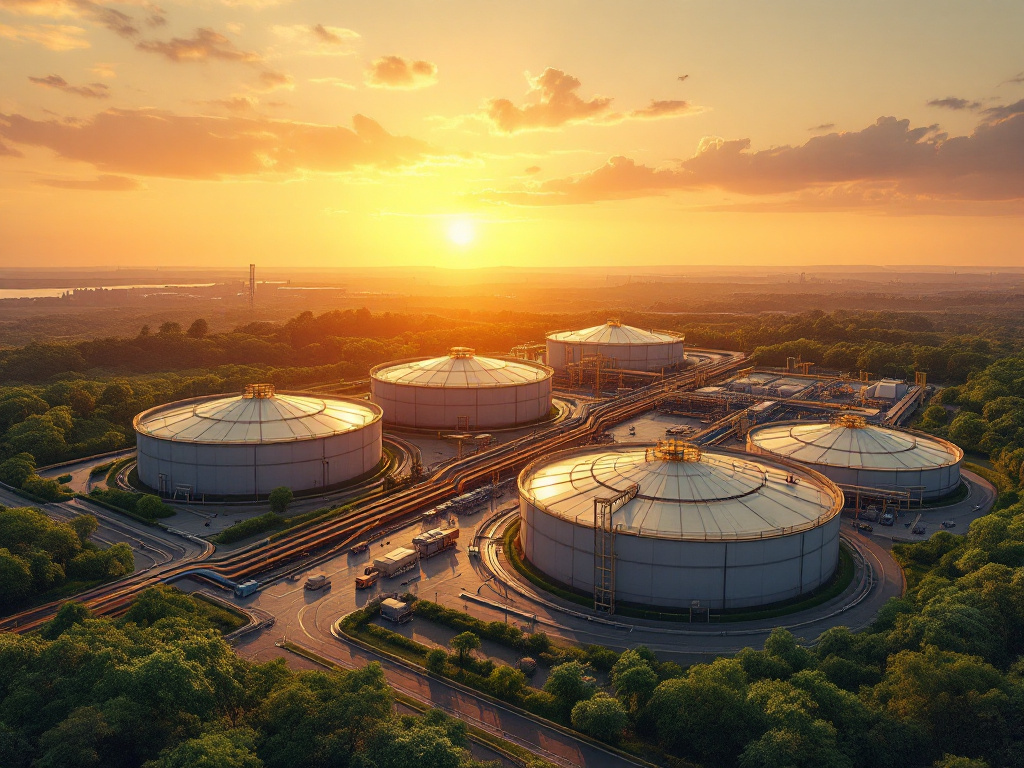
On 9 July 2026, Oil and Natural Gas Corporation Limited (ONGC) granted in-principle approval for expanding India's Strategic Petroleum Reserve (SPR) by 1.75 million metric tonnes at Mangaluru, Karnataka. This Phase-I extension strengthens India’s strategic crude oil storage capacity managed by Indian Strategic Petroleum Reserves Ltd. (ISPRL), increasing total capacity beyond the existing 5.33 million metric tonnes across Visakhapatnam, Mangaluru, and Padur. The expansion aims to enhance energy security amidst geopolitical disruptions such as the Iran conflict. ONGC became the first Indian public sector energy company to directly fund SPR infrastructure, aligning with the Ministry of Petroleum and Natural Gas's energy security planning.
On this page
Key Facts
- Approval Date: 9 July 2026
- Organization: Oil and Natural Gas Corporation Limited (ONGC)
- Project: Phase-I expansion of Strategic Petroleum Reserve (SPR) by 1.75 million metric tonnes at Mangaluru, Karnataka
- Existing SPR Capacity: 5.33 million metric tonnes across Visakhapatnam, Mangaluru, and Padur
- Managing Entity: Indian Strategic Petroleum Reserves Ltd. (ISPRL)
- Supply Coverage: Approximately 9.5 days of crude oil demand based on 2019-20 consumption data
- Project Cost: Earlier estimate around US$1.6 billion (June 2026)
Background & Context
India maintains a strategic crude oil reserve network to secure supply against potential global market shocks and import disruptions. The network is currently located at Visakhapatnam, Mangaluru, and Padur, with a combined capacity sufficient for about 9.5 days of consumption. The recent geopolitical conflicts, notably the Iran conflict and other disruptions, highlighted vulnerabilities in crude oil supply, prompting the government and ONGC to enhance strategic storage.
ONGC, the largest oil and gas explorer in India, is the first public sector energy company to directly invest in developing SPR facilities. ISPRL, a government-owned entity, is responsible for the creation and operation of these reserves. The expansion at Mangaluru complements the existing infrastructure and strengthens India’s energy security framework under the Ministry of Petroleum and Natural Gas.
Why This Matters for Exams / Exam Relevance
Understanding India's strategic petroleum reserves and energy security initiatives is essential for current affairs, general studies, and economics sections of competitive exams. Key details—such as the SPR locations, capacities, the role of ONGC and ISPRL, approval dates, and motivations behind expansions—are commonly asked. This topic also links to broader questions on India’s energy policy, international relations, and economic security strategies.
Points to Remember
- ONGC approved a 1.75 million metric tonnes Phase-I expansion of SPR at Mangaluru on 9 July 2026.
- India’s existing SPR capacity is 5.33 million metric tonnes across Visakhapatnam, Mangaluru, and Padur, supplying about 9.5 days of crude oil demand (2019-20 data).
- The strategic reserve is managed by Indian Strategic Petroleum Reserves Ltd. (ISPRL), a government-owned company.
- ONGC is the first public sector entity in India directly funding SPR infrastructure.
- Expansion is part of India’s energy security planning under the Ministry of Petroleum and Natural Gas, motivated by supply vulnerabilities like the Iran conflict.
- Project cost estimated previously at approximately US$1.6 billion (June 2026), with final figures and completion timeline undisclosed as of July 2026.
- SPR serves as an emergency stockpile to safeguard India against crude oil supply disruptions on the global market.
Sources & Further Reading
| Document / Website | Link |
|---|---|
| ONGC approves strategic crude reserve expansion | Open ONGC approves strategic crude reserve expansion ↗www.gktoday.in |
| Indian Strategic Petroleum Reserves Ltd | Open Indian Strategic Petroleum Reserves Ltd ↗isprl.co.in |
| Strategic Petroleum Reserves in India | Open Strategic Petroleum Reserves in India ↗www.pib.gov.in |