
Reserve Bank of India Approves Record ₹2.87 Lakh Crore Dividend Transfer to Central Government for FY26
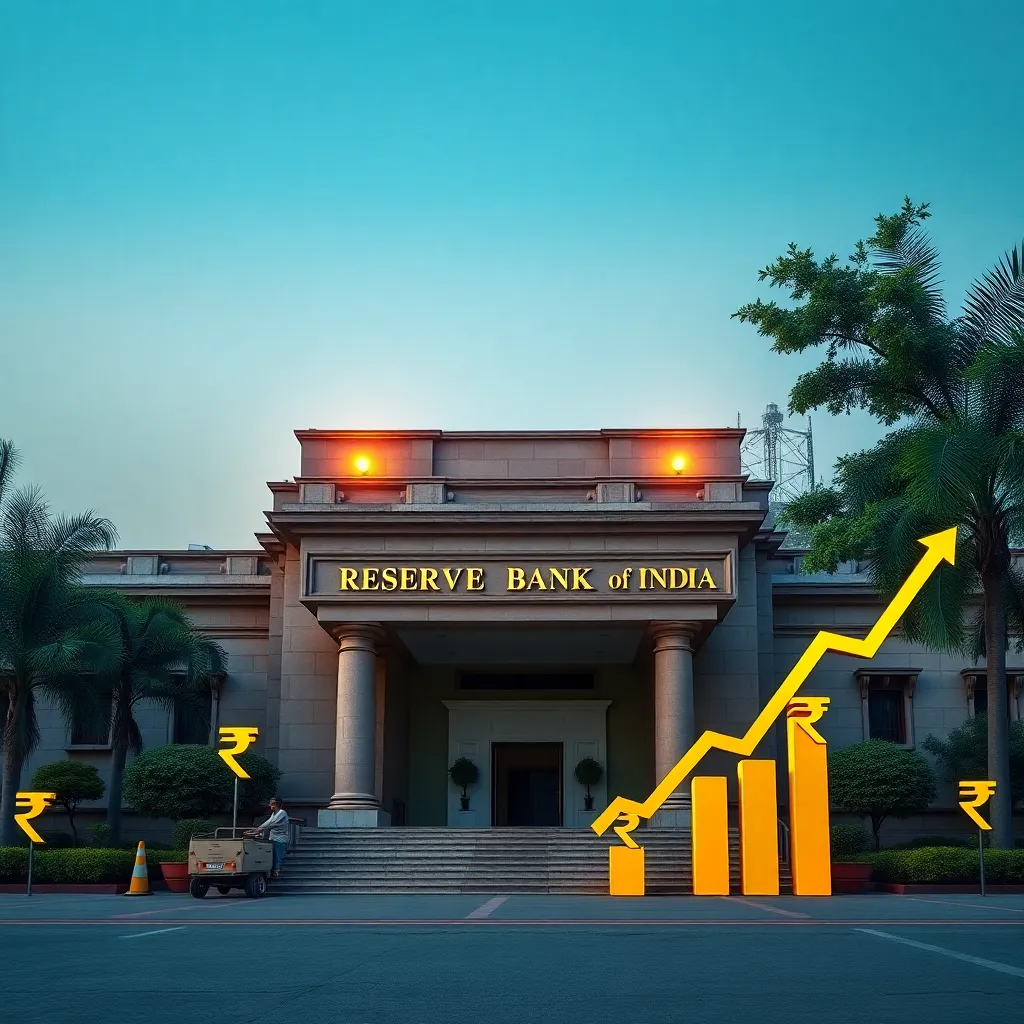
On 22 May 2026, the Reserve Bank of India (RBI) approved a record surplus transfer of ₹2,86,588.46 crore to the Central Government for the financial year 2025-26. This dividend is the highest ever transferred by the RBI, surpassing the previous year's ₹2.69 lakh crore by 6.7%. The transfer follows a 26.42% rise in RBI's gross income and a 20.61% growth in its balance sheet. Simultaneously, RBI maintained its Contingent Risk Buffer (CRB) at 6.5%, allocating ₹1,09,379.64 crore to it. This surplus is an important non-tax revenue for the government and will support its fiscal deficit targets amid global economic uncertainties.
On this page
Key Facts
- On 22 May 2026, RBI approved a surplus transfer of ₹2,86,588.46 crore to the Central Government for the financial year 2025-26.
- This amount represents the largest dividend transfer in the history of the RBI, a 6.7% increase over the ₹2.69 lakh crore transferred in FY 2024-25.
- RBI’s gross income rose by 26.42% year-on-year, reaching ₹3.95 lakh crore in FY26; its balance sheet expanded 20.61% to ₹91,97,121.08 crore as of 31 March 2026.
- The Contingent Risk Buffer (CRB) was maintained at 6.5% of the balance sheet, requiring a transfer of ₹1,09,379.64 crore to this reserve for FY26, more than double from the previous financial year.
- The decision was made during the 623rd meeting of the RBI Central Board of Directors, chaired by Governor Sanjay Malhotra, held in Mumbai.
Background & Context
The Reserve Bank of India, established in 1935 and governed by the RBI Act, manages the country's monetary policy and issues currency. It transfers surplus earnings annually to the Central Government as dividends. The dividend amount is calculated after meeting all operational expenditures, provisioning, and maintaining risk buffers, including the Contingent Risk Buffer (CRB), which acts as a financial safeguard against unexpected risks to the RBI’s balance sheet.
The surplus transfers form a significant part of the Union Government’s non-tax revenue and assist in meeting fiscal deficit targets. The RBI’s balance sheet expansion and income growth reflect the central bank’s increasing operations, including foreign exchange management amid global economic volatility.
Why This Matters for Exams / Exam Relevance
Understanding the RBI’s role in transferring dividends to the government is crucial for competitive exams focusing on the Indian economy, banking, and public finance. This record transfer in FY26 represents key data reflecting RBI’s financial health, monetary policy outcomes, and its interaction with government finances.
Exam aspirants should remember the figures—especially the amount transferred, percentage increase, the CRB maintenance, and dates—as questions on recent RBI news and fiscal measures are commonly asked. It also underscores concepts like the RBI’s balance sheet management, risk buffers, and non-tax revenue streams for the government, which are essential for economy and governance-related sections.
Points to Remember
- Date of approval: 22 May 2026
- Surplus dividend transfer: ₹2,86,588.46 crore for FY 2025-26
- Increase over previous year: 6.7%
- RBI Governor: Sanjay Malhotra
- RBI Board meeting: 623rd
- Contingent Risk Buffer (CRB) set at 6.5% of balance sheet
- CRB transfer amount for FY26: ₹1,09,379.64 crore
- RBI gross income rise: 26.42%
- RBI balance sheet size on 31 March 2026: ₹91,97,121.08 crore
- Surplus transfer constitutes non-tax revenue receipt for the Union Government
Sources & Further Reading
| Document / Website | Link |
|---|---|
| GKToday - RBI Approves Record ₹2.87 Lakh Crore Dividend | Open GKToday - RBI Approves Record ₹2.87 Lakh Crore Dividend ↗www.gktoday.in |
| RBI board approves surplus transfer of Rs 2.8 lakh crore to Centre for 2025-’26 - Scroll.in | Open RBI board approves surplus transfer of Rs 2.8 lakh crore to Centre for 2025-’26 - Scroll.in ↗scroll.in |
| RBI Board okays record surplus transfer of Rs 2.86 lakh crore to govt for FY26 - The Indian Express | Open RBI Board okays record surplus transfer of Rs 2.86 lakh crore to govt for FY26 - The Indian Express ↗indianexpress.com |