
India-US Trade Deal Nears Completion: Interim Pact Finalisation in June 2026
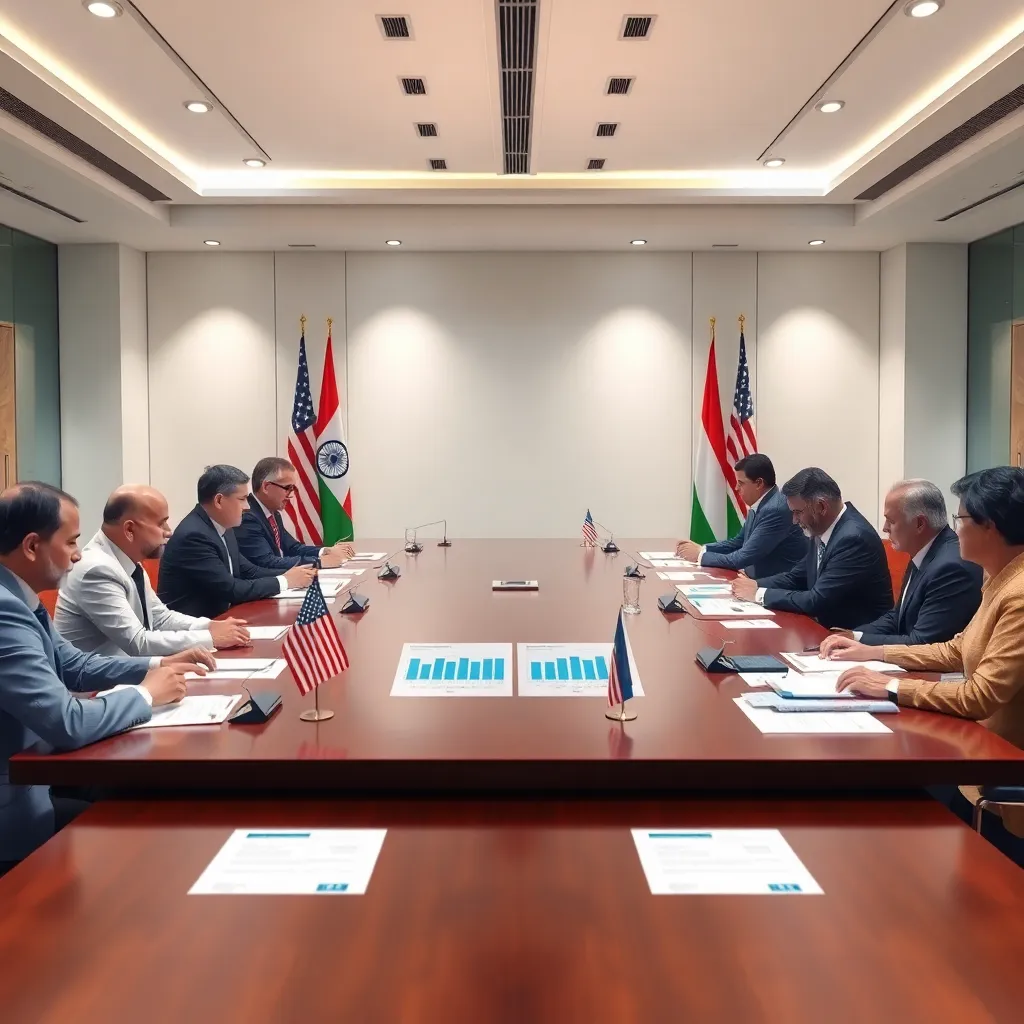
India and the United States are in the final stage of concluding an interim trade agreement under the first tranche of a broader Bilateral Trade Agreement (BTA). As of June 1, 2026, over 99% of the discussions have been completed. Senior negotiators, led by Darpan Jain (India) and Brendan Lynch (US), are meeting in New Delhi (June 1-4) to finalize legal texts. The agreement aims to reduce US tariffs on Indian goods to 18%, down from 50%, and includes India's commitment to reduce tariffs on select US industrial and agricultural products. India is also planning to purchase $500 billion of US energy, technology, and other goods over five years. This agreement is pivotal for enhancing bilateral trade, addressing non-tariff barriers, and fostering economic cooperation.
On this page
Key Facts
- India and the United States are negotiating the first tranche of a proposed Bilateral Trade Agreement (BTA), focusing on an interim trade pact.
- The negotiations took place from June 1 to June 4, 2026, in New Delhi.
- The Indian delegation was led by Darpan Jain, Additional Secretary in the Department of Commerce, and the US delegation by Brendan Lynch, chief negotiator.
- The US agreed to reduce reciprocal tariffs on Indian goods from 50% to 18% under Executive Order 14257.
- India proposed elimination or reduction of tariffs on a range of US industrial goods and agricultural products such as dried distillers’ grains (DDGs), red sorghum, tree nuts, fresh and processed fruits, soybean oil, wine, and spirits.
- India intends to purchase over $500 billion worth of US energy products, aircraft and parts, precious metals, technology products, and coking coal over the next five years.
- The interim trade agreement is a step towards a broader comprehensive Bilateral Trade Agreement between India and the US.
- The initial framework for the interim pact was agreed via a joint statement on February 7, 2026.
- A US Supreme Court ruling in February 2026 impacted the prior tariff environment, leading to imposition of a temporary 10% tariff on all countries starting February 24, 2026.
Background & Context
India and the United States initiated talks for a comprehensive Bilateral Trade Agreement in February 2025, aiming to enhance economic ties and recalibrate trade tariffs and barriers between the two nations. Initially, the US imposed additional tariffs on Indian goods up to 50%, partly linked to India's energy relationship with Russia. Following negotiations, the two sides agreed in February 2026 on a framework to reduce US reciprocal tariffs on Indian exports to 18%. However, a February 2026 US Supreme Court ruling challenged previous presidential tariff actions, prompting re-evaluation of tariff policies and the introduction of a 10% tariff on all countries temporarily. The June 2026 negotiations in New Delhi focused on finalizing and legalizing the interim agreement, maintaining the commitment to a broader trade relationship.
Why This Matters for Exams / Exam Relevance
This trade deal is significant in studies related to India's foreign trade policy, international economic relations, and global diplomatic strategy. Important points include the timeline of negotiations (February and June 2026), key figures (Piyush Goyal at the ministerial level, and negotiators Darpan Jain and Brendan Lynch), and tariff reductions (US tariff reduction from 50% to 18%). Understanding the types of goods involved, the strategic importance of energy and technology purchases, and how legal, political, and economic factors such as the US Supreme Court decision influence trade policies offers comprehensive insights relevant for competitive examinations.
Points to Remember
- The interim trade agreement is the first tranche of a broader Bilateral Trade Agreement between India and the US.
- The June 2026 talks in New Delhi aimed at finalizing legal texts and detailed provisions of the interim pact.
- The US tariff on Indian goods was agreed to be reduced from 50% to 18%.
- India proposed to reduce tariffs on select US industrial and agricultural commodities, including dried distillers’ grains, tree nuts, fruits, soybean oil, wine, and spirits.
- India plans to purchase over $500 billion worth of US goods, notably in energy, aircraft, precious metals, and technology sectors over five years.
- The US Supreme Court ruling and subsequent changes in US tariff policy affected the negotiation dynamics in early 2026.
- Key Indian and US officials involved included Commerce Minister Piyush Goyal, Additional Secretary Darpan Jain, and US Chief Negotiator Brendan Lynch.
Sources & Further Reading
| Document / Website | Link |
|---|---|
| India-US Trade Deal Nears Finalisation According to Commerce Minister | Open India-US Trade Deal Nears Finalisation According to Commerce Minister ↗www.gktoday.in |
| India, US begin latest round of talks to finalise details of interim trade pact - India Today | Open India, US begin latest round of talks to finalise details of interim trade pact - India Today ↗www.indiatoday.in |
| Fact Sheet: The United States and India Announce Historic Trade Deal – The White House | Open Fact Sheet: The United States and India Announce Historic Trade Deal – The White House ↗www.whitehouse.gov |
| India-US Trade Negotiations: June 2026 Talks and Implications | Open India-US Trade Negotiations: June 2026 Talks and Implications ↗english.mathrubhumi.com |
| US, India to Advance Trade Agreement Negotiations in June 2026 | Open US, India to Advance Trade Agreement Negotiations in June 2026 ↗www.devdiscourse.com |