
UAE to Exit OPEC and OPEC+ from 1 May 2026, Reshaping Global Oil Politics
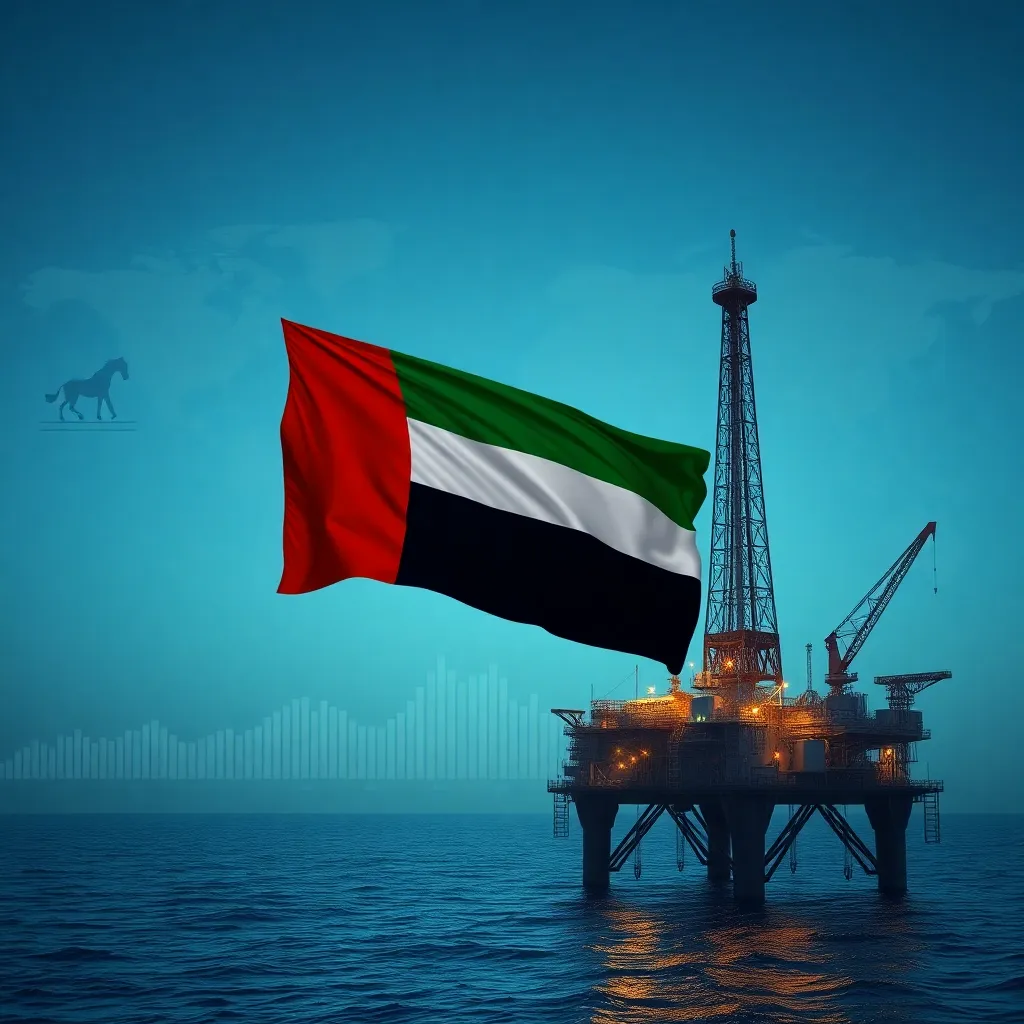
The United Arab Emirates (UAE) announced its decision to leave the Organization of the Petroleum Exporting Countries (OPEC) and the extended OPEC+ alliance effective 1 May 2026. This move marks a significant change in global energy dynamics amid current geopolitical tensions affecting oil markets, particularly due to the Iran war and disruptions in the Strait of Hormuz. The UAE’s departure signals a strategic shift toward national interests and greater production autonomy, impacting global oil supply, prices, and the power balance within OPEC, where Saudi Arabia is expected to assume a larger role.
On this page
Key Facts
- The UAE will officially exit OPEC and OPEC+ on May 1, 2026, ending over five decades of membership.
- The UAE's oil production capacity is approximately 4.8 million barrels per day (bpd), accounting for around 4% of global oil output.
- OPEC was established in 1960 and currently includes 12 member countries, mainly from the Middle East; OPEC+ is a broader alliance that includes Russia and other major producers.
- The UAE's decision reflects a policy-driven evolution aligned with its long-term strategic and economic vision, prioritizing national interests and adapting to its evolving energy profile.
- The ongoing Iran war has triggered significant instability in global oil markets, notably affecting the Strait of Hormuz, a critical chokepoint that handles about one-fifth of the world's crude oil and liquefied natural gas supply.
Background & Context
OPEC coordinates petroleum policies among member countries to stabilize oil prices by managing supply quotas. The UAE had often sought greater production flexibility, which was limited under OPEC’s quota system, especially as it increased its production capacity and expanded reserves. The decision to exit follows a comprehensive review of national production policy and current and future capacity, deemed in UAE’s national interest.
The Strait of Hormuz, located between Iran and Oman, is a strategic maritime route critical to global energy security. The recent Iran war and subsequent closure of this route have disrupted Gulf oil exports, further complicating OPEC's supply stability. Regional geopolitical tensions and growing competition between Gulf states, including economic and strategic rivalries involving Saudi Arabia, add to the complex motivations behind the UAE’s departure.
Why This Matters for Exams / Exam Relevance
This development illustrates evolving geopolitics in global energy markets, highlighting the interplay of national interests, alliance dynamics, and external conflicts. Questions related to OPEC's role, energy security, geopolitical chokepoints like the Strait of Hormuz, and shifts in global oil supply strategies are common in competitive exams related to international relations, economics, and geography.
Points to Remember
- UAE’s exit from OPEC and OPEC+ is set for 1 May 2026.
- UAE contributes nearly 4.8 million barrels per day in oil production capacity.
- OPEC was founded in 1960, headquartered in Vienna, Austria.
- OPEC+ includes OPEC members plus several key non-OPEC producers like Russia for coordinated output management.
- The Strait of Hormuz is a vital passageway for approximately 20% of global oil and LNG supplies.
- The Iran war has led to increased instability and export disruptions from Gulf producers.
- With the UAE’s exit, OPEC’s ability to regulate oil supply and prices may diminish, increasing Saudi Arabia’s role.
Sources & Further Reading
| Document / Website | Link |
|---|---|
| UAE exits OPEC amid Iran war oil shock | Open UAE exits OPEC amid Iran war oil shock ↗www.gktoday.in |
| UAE announces it will leave Opec | Open UAE announces it will leave Opec ↗www.thenationalnews.com |
| Explainer: What is OPEC+ and how does it affect oil prices? | Open Explainer: What is OPEC+ and how does it affect oil prices? ↗www.reuters.com |
| The Strait of Hormuz is the world's most important oil transit chokepoint | Open The Strait of Hormuz is the world's most important oil transit chokepoint ↗www.eia.gov |