
US Proposes Additional Tariffs on Indian Imports Over Forced Labour Allegations
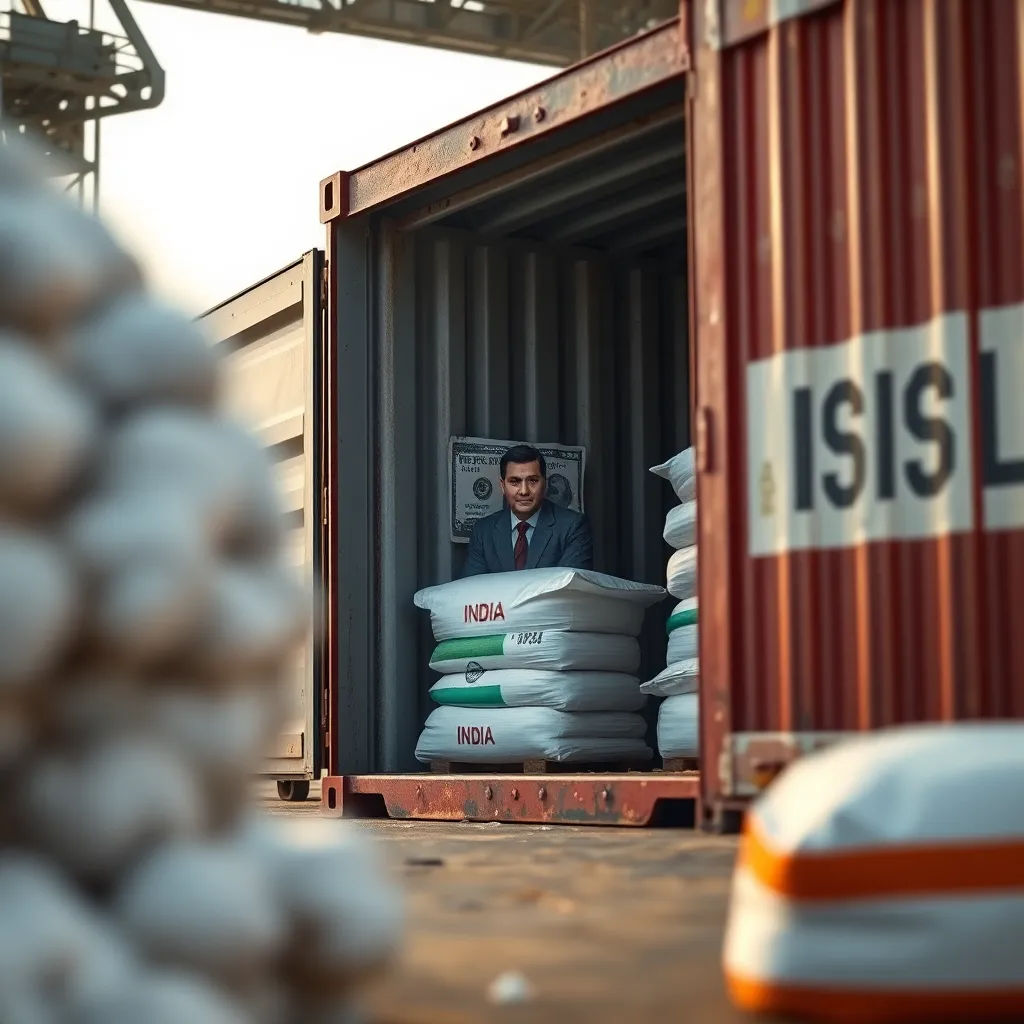
On 3 June 2026, the United States proposed imposing a 12.5% additional tariff on imports from India, citing concerns over the use of forced labour in producing goods. This proposal is based on Section 301 of the Trade Act of 1974, empowering the U.S. Trade Representative to act against unfair foreign trade practices. The USTR alleges India failed to prohibit or effectively enforce bans on imports of forced labour-linked products across sectors including aluminium, cotton, and rice. India has rejected these allegations and prefers resolution through bilateral negotiations. The proposal remains open for public comment until 6 July 2026, with hearings scheduled for 7 July 2026.
On this page
Key Facts
- Date of Proposal: 3 June 2026
- Authority Invoked: Section 301 of the Trade Act of 1974
- Tariff Proposed: 12.5% additional tariff on imports from India
- Number of Affected Countries: 60 economies (54 facing 12.5% tariff, including India; 6 others facing a 10% tariff)
- U.S. Trade Representative: Jamieson Greer
- Indian Sectors Identified: Aluminium, cotton, cocoa, fish, coffee, nickel, palm oil, and rice
- Products Exempted from Tariffs: Energy, pharmaceuticals, beef, coffee, and certain fruits and vegetables
- Deadlines: Public comments due by 6 July 2026; public hearings scheduled for 7 July 2026
Background & Context
The Trump administration, via the Office of the U.S. Trade Representative (USTR), initiated these tariffs under Section 301 of the Trade Act of 1974, which allows the U.S. to take action against unfair foreign trade practices without waiting for WTO approval. The 2026 proposal addresses countries, including India, for allegedly failing to prohibit or fully enforce bans on imports made with forced labour. The USTR contends that India imports raw materials produced with forced labour and exports products derived downstream to the U.S., contributing to an uneven trade playing field impacting American workers. India has denied these claims and called for resolution through diplomatic and bilateral trade negotiations. The proposal remains a draft subject to public consultation and hearings.
Why This Matters for Exams / Exam Relevance
The case is significant for competitive examinations as it exemplifies the use of U.S. trade remedies mechanism Section 301 to address forced labour in global supply chains, touching on international trade law, labour rights, and bilateral trade disputes. Understanding the legislative basis, process of USTR action, affected sectors, and timelines enhances grasp of contemporary trade enforcement. This topic may appear in questions related to trade laws, India's foreign trade challenges, and US-India economic relations.
Points to Remember
- Section 301 of the Trade Act of 1974 permits the U.S. to impose trade measures against unfair foreign trade practices unilaterally.
- The 2026 tariff proposal relates specifically to failure to prohibit or enforce bans on forced labour-based imports.
- India faces a proposed additional tariff of 12.5% on imports in sectors such as aluminium, cotton, and rice.
- Some product categories including energy and pharmaceuticals are exempted from the proposed tariffs.
- USTR Jamieson Greer emphasized that failure to act against forced labour imports disrupts fair trade and harms U.S. workers.
- India rejects the forced labour allegations and prefers negotiation over unilateral tariffs.
- The tariff proposal is open for public comments until 6 July 2026, with hearings on 7 July 2026.
Sources & Further Reading
| Document / Website | Link |
|---|---|
| US Proposes Tariff on India Over Forced Labour Concerns | Open US Proposes Tariff on India Over Forced Labour Concerns ↗www.gktoday.in |
| Section 301 Investigations | United States Trade Representative | Open Section 301 Investigations | United States Trade Representative ↗ustr.gov |
| Section 301 of the Trade Act of 1974 - Wikipedia | Open Section 301 of the Trade Act of 1974 - Wikipedia ↗en.wikipedia.org |