
India Seeks Protection from US Section 301 Tariffs Amid 2026 Trade Talks
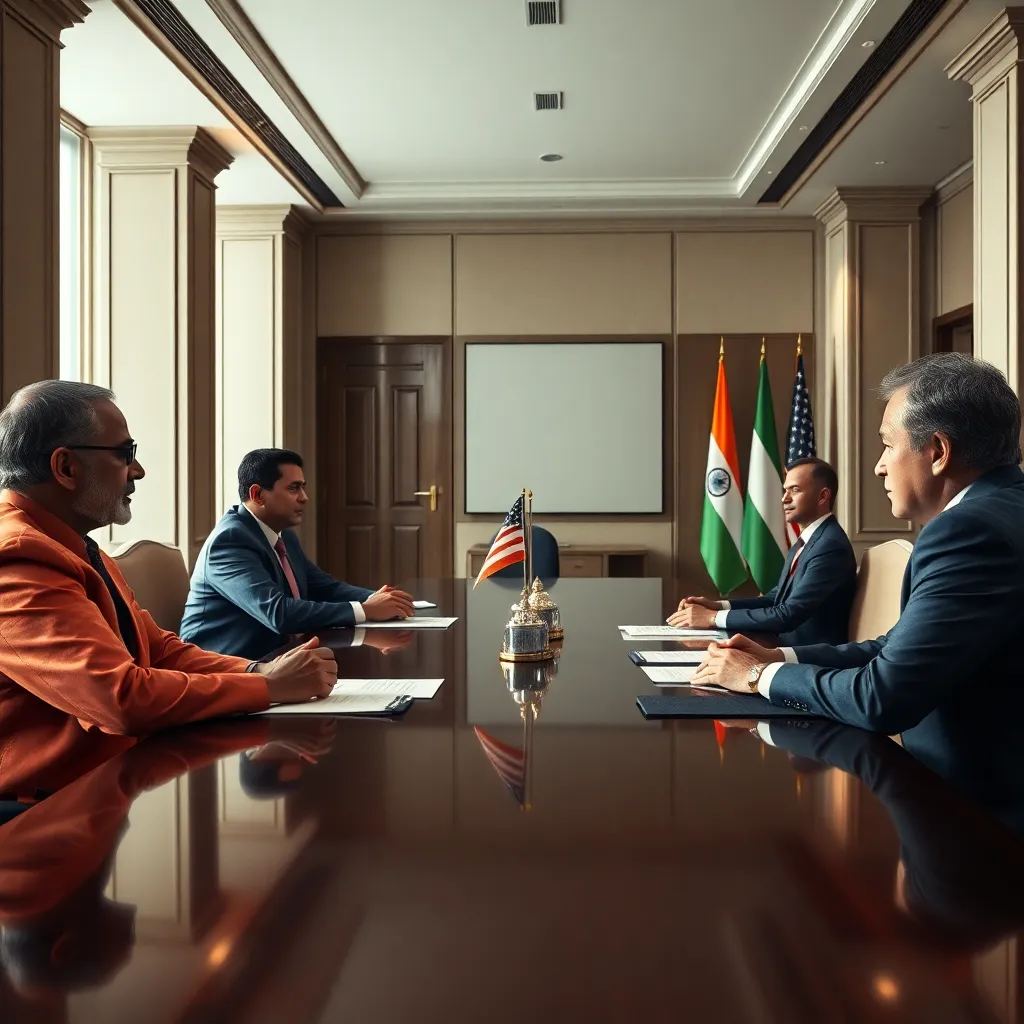
In June 2026, India and the United States commenced new trade negotiations in New Delhi, focusing largely on US tariffs imposed under Section 301 of the Trade Act of 1974. India is requesting relief from tariffs arising from ongoing Section 301 investigations initiated in March 2026 against India and 15 other countries concerning alleged structural excess manufacturing capacity and forced labor in supply chains. The US plans to enforce a uniform 10% tariff from 24 July 2026 following a US Supreme Court ruling that invalidated previous reciprocal tariffs. India aims to secure preferential tariff rates and maintain competitiveness vis-à-vis regional neighbors like Bangladesh, Pakistan, and Sri Lanka. Negotiations involve senior trade officials, including India's Darpan Jain and the US's Brendan Lynch, with further talks and visits scheduled to finalize a bilateral trade agreement addressing tariffs, market access, and trade regulations.
On this page
Key Facts
- India and the United States began renewed trade talks in New Delhi on 2 June 2026, centering on Section 301-related tariffs and trade issues.
- Section 301 of the US Trade Act of 1974 empowers the US Trade Representative to investigate unfair foreign trade practices and apply trade remedies including tariffs.
- In March 2026, the US initiated new Section 301 investigations against 16 countries, including India, targeting concerns like structural excess manufacturing capacity and forced labor exploitation in supply chains.
- Following a US Supreme Court ruling in February 2026 that struck down previous country-specific reciprocal tariffs, the US imposed a uniform 10% tariff on imports from all trading partners effective 24 July 2026.
- Indian negotiators, led by Darpan Jain, are seeking tariff relief and a competitive tariff regime comparable to regional peers such as Bangladesh, Pakistan, and Sri Lanka.
- The US delegation is headed by chief negotiator Brendan Lynch; further engagement includes a possible visit by US Trade Representative Jamieson Greer in July 2026.
Background & Context
Section 301 is a provision under the US Trade Act of 1974 that authorizes the US to address unfair trade practices by foreign countries through investigations and imposition of tariffs or trade restrictions. In 2026, the US launched fresh investigations encompassing allegations of structural excess capacity and forced labor concerns. This approach follows a Supreme Court decision deeming prior Trump administration's reciprocal tariffs illegal. Subsequently, the US established a new uniform tariff regime. Against this backdrop, India and the US are negotiating a bilateral trade agreement (BTA) to mitigate tariff impacts and improve trade cooperation, covering market access, customs procedures, and regulatory measures.
Why This Matters for Exams / Exam Relevance
This trade negotiation episode is significant for understanding contemporary international trade policy, India's foreign economic relations, and US trade enforcement mechanisms. It highlights the practical application of Section 301 within US trade law and its ramifications on India’s trade strategy. The issue is relevant for competitive exams covering international relations, trade policies, and recent geopolitical-economic developments. Knowledge of key dates (March-June 2026), legislation (US Trade Act 1974, Section 301), and key actors (Piyush Goyal, Darpan Jain, Brendan Lynch) is essential.
Points to Remember
- Section 301 investigations enable the US to respond unilaterally to unfair foreign trade measures.
- In March 2026, the US initiated investigations against India and others targeting manufacturing overcapacity and forced labor.
- The US Supreme Court ruling in February 2026 canceled previous country-specific reciprocal tariffs; the US introduced a uniform 10% tariff effective July 2026.
- India-US trade talks conducted in early June 2026 aim to secure tariff relief and a fair trade framework.
- India's lead trade negotiator is Darpan Jain; the US counterpart is Brendan Lynch.
- The evolving bilateral trade agreement seeks market access, tariff structures, and customs facilitation aligned with competitiveness in South Asia.
Sources & Further Reading
| Document / Website | Link |
|---|---|
| India Seeks Protection from US Section 301 Tariffs | Open India Seeks Protection from US Section 301 Tariffs ↗www.gktoday.in |
| Section 301 Investigations | United States Trade Representative | Open Section 301 Investigations | United States Trade Representative ↗ustr.gov |