
Delhi-NCR Transport Unions Announce Three-Day Strike Over Fare Hike and Regulation Issues
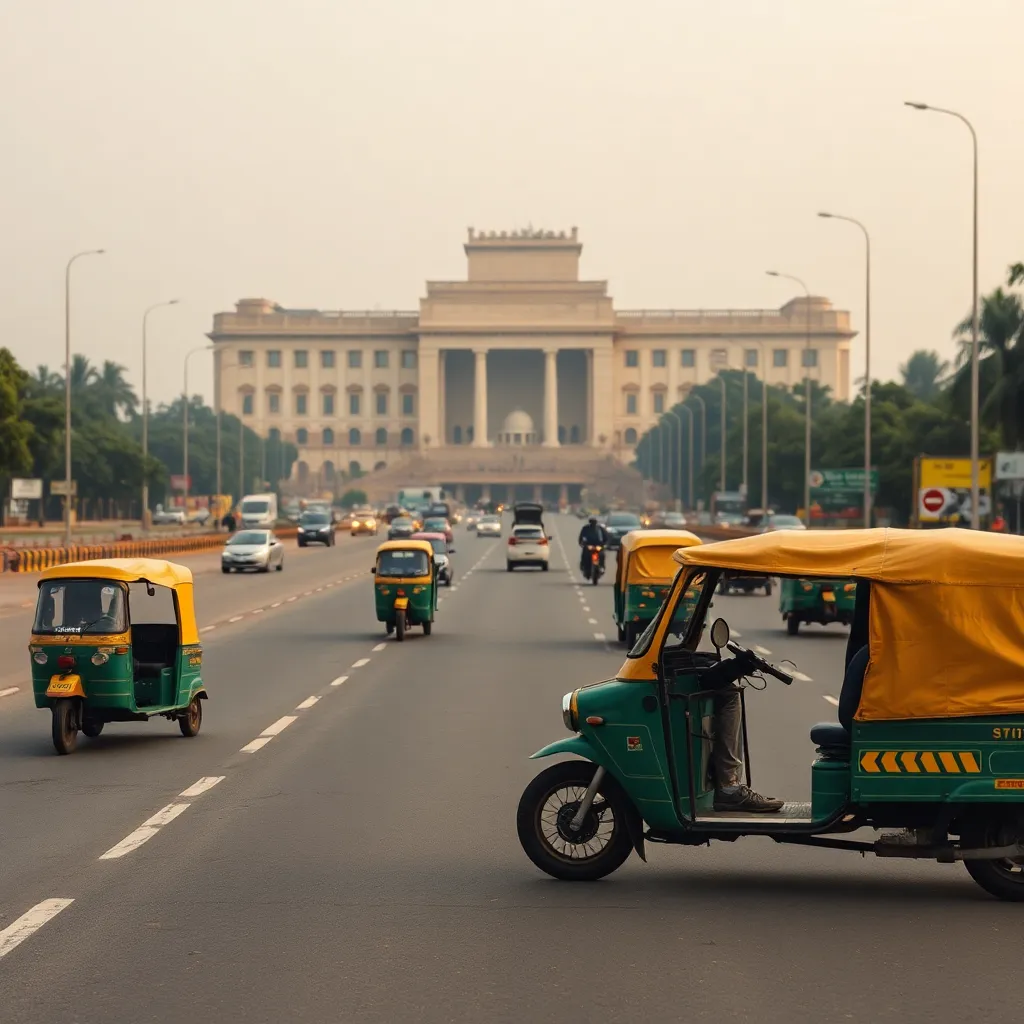
From May 21 to 23, 2026, commercial transport unions in Delhi-NCR declared a strike demanding immediate fare hikes for taxis, auto-rickshaws, trucks, and goods vehicles. The strike arises due to surging operating costs driven by rising CNG, petrol, and diesel prices and objections to the increased Environment Compensation Charge (ECC) and stricter BS-IV vehicle regulations in Delhi. Key unions like the Chalak Shakti Union and the national All India Motor Transport Congress (AIMTC) have led the movement. While taxi and auto strike plans were partially paused, truck and goods vehicle unions continue, demanding rollback of the ECC hike and the ban on non-Delhi registered BS-IV vehicles from November 1, 2026. The strike highlights ongoing tensions related to pollution control measures and economic challenges in the transport sector.
On this page
Key Facts
- The strike is scheduled for May 21-23, 2026 across Delhi-NCR.
- Participating unions include the Chalak Shakti Union and the All India Motor Transport Congress (AIMTC), which represents multiple unions nation-wide.
- Primary demands include an immediate hike in taxi and auto-rickshaw fares, withdrawal of the recently increased Environment Compensation Charge (ECC) on commercial vehicles entering Delhi, and reversal of the ban on non-Delhi registered BS-IV commercial goods vehicles effective from November 1, 2026.
- The strike is in response to the rising prices of fuels (CNG, petrol, diesel), increased operational costs for transport workers, and regulatory measures targeting vehicle emissions and pollution control.
- Formal representations were submitted to the Delhi Lieutenant Governor, Taranjit Singh Sandhu, and Chief Minister, Rekha Gupta, on May 19, 2026.
- A joint protest by the Delhi Auto Rickshaw Union and the Delhi Pradesh Taxi Union is planned at the Delhi Secretariat on May 23, 2026.
Background & Context
The strike is set against a backdrop of increased regulatory pressure on commercial transport in Delhi-NCR to mitigate air pollution. The Environment Compensation Charge (ECC) is a levy imposed on commercial vehicles entering Delhi aimed at reducing pollution. Recently, the ECC was significantly increased following a Supreme Court order and enforcement by local authorities, nearly doubling the cost per trip for operators. Additionally, there is a government ban on non-Delhi registered BS-IV emission norm commercial vehicles entering the city starting November 1, 2026, intending to phase out older, more polluting vehicles and promote cleaner alternatives. Although these policies aim to improve air quality, transport unions argue they disproportionately affect livelihoods and operational viability, leading to calls for reconsideration or rollback.
Why This Matters for Exams / Exam Relevance
This event exemplifies how environmental policy intersects with labor rights, urban governance, and economic pressures, a common theme in current affairs, especially in subjects like General Studies for competitive examinations. Understanding the Environment Compensation Charge (ECC), Bharat Stage emission standards (notably BS-IV and BS-VI), and the roles of various transport unions in civic protest provides insight into contemporary challenges faced by metropolitan India. Furthermore, the strike reflects the complexities of implementing pollution control in densely populated urban centers and balancing environmental and economic concerns, relevant to topics covering environment, governance, and socio-economic development.
Points to Remember
- The strike is for three days: May 21-23, 2026, affecting taxis, autos, trucks, and goods vehicles.
- The All India Motor Transport Congress (AIMTC) is a national body supporting the strike alongside regional unions.
- The ECC hike increased costs sharply for commercial vehicle operators, with rates nearly doubling, e.g., from Rs. 2,600 to Rs. 5,200 per trip for larger trucks.
- BS-IV stands for Bharat Stage IV emission norms; the Delhi government is enforcing a ban on non-Delhi registered BS-IV vehicles from November 1, 2026.
- Key officials involved are Lieutenant Governor Taranjit Singh Sandhu and Chief Minister Rekha Gupta, to whom representations were made.
- App-based cab companies like Ola, Uber, and Rapido are named by unions as contributing to economic pressures on drivers via pricing practices.
- The strike underscores the tension between air pollution mitigation efforts and economic impacts on workers in the transport sector.
Sources & Further Reading
| Document / Website | Link |
|---|---|
| Delhi-NCR transport unions announce three-day strike | Open Delhi-NCR transport unions announce three-day strike ↗www.gktoday.in |
| Transporters on three-day Delhi-NCR strike from May 21 | Open Transporters on three-day Delhi-NCR strike from May 21 ↗indianexpress.com |
| BS-VI rule in Delhi explained: What it is and how to check your vehicle | Open BS-VI rule in Delhi explained: What it is and how to check your vehicle ↗www.business-standard.com |