
Balikatan 2026: Largest Indo-Pacific Military Exercise under Philippines-US Alliance
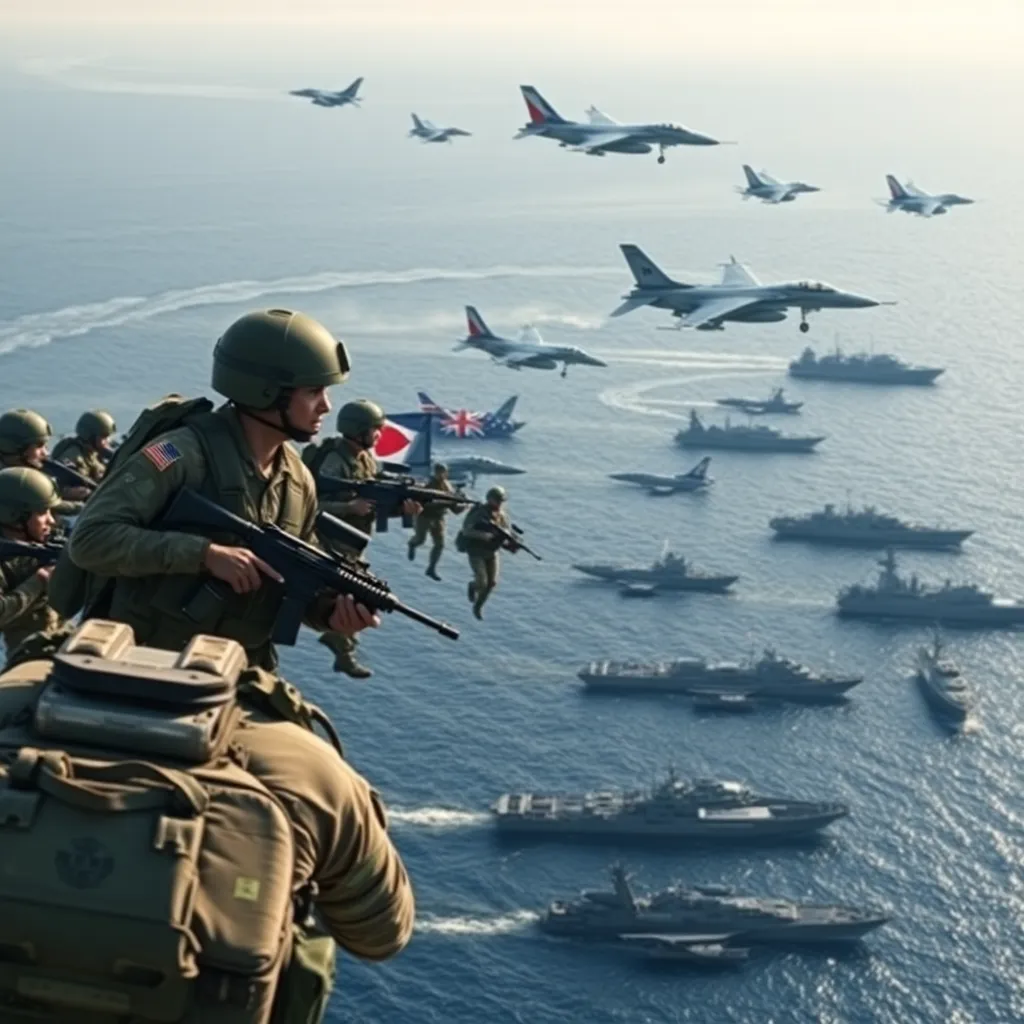
Balikatan 2026, held from 20 April to 8 May 2026, is the largest joint military exercise between the Philippines and the United States. It involves over 17,000 troops from the Philippines, the US, Australia, Japan, Canada, France, and New Zealand. The drills span land, sea, air, cyber, and space domains, focusing on island defense, maritime security, and simulated enemy invasion scenarios. Notably, Japan deployed active combat personnel for the first time since World War II, and the US Space Force participated for the first time, highlighting expanded multinational cooperation and multidomain operations.
On this page
Key Facts
- Exercise Period: 20 April – 8 May 2026
- Participating Countries: Philippines, United States, Australia, Japan, Canada, France, New Zealand
- Total Troop Strength: Over 17,000 personnel (Approx. 10,000 US, 7,000 Philippine plus others)
- Operation Domains: Land, sea, air, cyberspace, and space
- Military Systems Demonstrated: HIMARS (High Mobility Artillery Rocket System), Type 88 ground-to-surface missiles, NMESIS (Navy-Marine Expeditionary Ship Interdiction System)
- Significant Firsts: Japan’s first deployment of active combat personnel since World War II; first participation by US Space Force
- Major Events: Counter-landing live-fire drill with HIMARS in Laoag City; Japan firing Type 88 missile to sink mock enemy ship
- Other Contributions: Australia deployed about 400 personnel including land forces, medical teams, tactical air elements, and the frigate HMAS Toowoomba
- Chinese Reaction: China objected to the exercises; Philippine and US officials emphasize the drills are not directed at any specific country
Background & Context
"Balikatan," meaning "shoulder-to-shoulder" in Filipino, is an annual bilateral military exercise primarily between the Philippines and the United States. It aims to strengthen mutual defense relations, enhance interoperability, and boost readiness in the Indo-Pacific region. The 2026 iteration is notable for expanded multinational participation and the incorporation of new domains such as cyberspace and space, reflecting the evolving security challenges in the region, especially amid Chinese military assertiveness.
Japan and Canada became full-time participants in 2026, with Japan deploying active combat personnel for the first time since World War II. The US Space Force's involvement marks a new multidomain operational emphasis. Exercises also serve humanitarian and disaster response training objectives.
Why This Matters for Exams
Understanding the Balikatan exercises is essential for grasping current geopolitical and defense cooperation trends in the Indo-Pacific, particularly regarding US alliances and regional responses to China’s growing influence. The scale, participants, and military technologies involved highlight contemporary strategic and security dynamics tested in competitive exams on international relations, defense studies, and current affairs.
Points to Remember
- The term "Balikatan" means “shoulder-to-shoulder” and symbolizes solidarity between the Philippines and its allies.
- Balikatan 2026 is the largest in history with over 17,000 troops from seven nations involved.
- Japan's first combat personnel deployment since WWII marks a strategic shift reflecting closer defense ties with the Philippines and US.
- The US Space Force's participation highlights modern multidomain military cooperation including space operations.
- Key military hardware includes HIMARS rocket systems and Japan's Type 88 missile used in live-fire drills.
- Australia deployed troops and the frigate HMAS Toowoomba as part of its contribution.
- The exercises encompass training for island defense, maritime security, cyber warfare, and counter-invasion operations.
- China has expressed objections, but the Philippine and US governments maintain the exercises are defensive and not aimed at any specific country.
Sources & Further Reading
| Document / Website | Link |
|---|---|
| Balikatan 2026 drills continues in Philippines | Open Balikatan 2026 drills continues in Philippines ↗www.gktoday.in |
| Balikatan | U.S. Department of War | Open Balikatan | U.S. Department of War ↗www.war.gov |
| 2026 Balikatan exercises will highlight Manila’s more ‘active defense posture’ | Open 2026 Balikatan exercises will highlight Manila’s more ‘active defense posture’ ↗www.rfa.org |