
CSIR-NAL unveils indigenous micro and small gas turbine engines NJ-05, NJ-50 and NJ-100
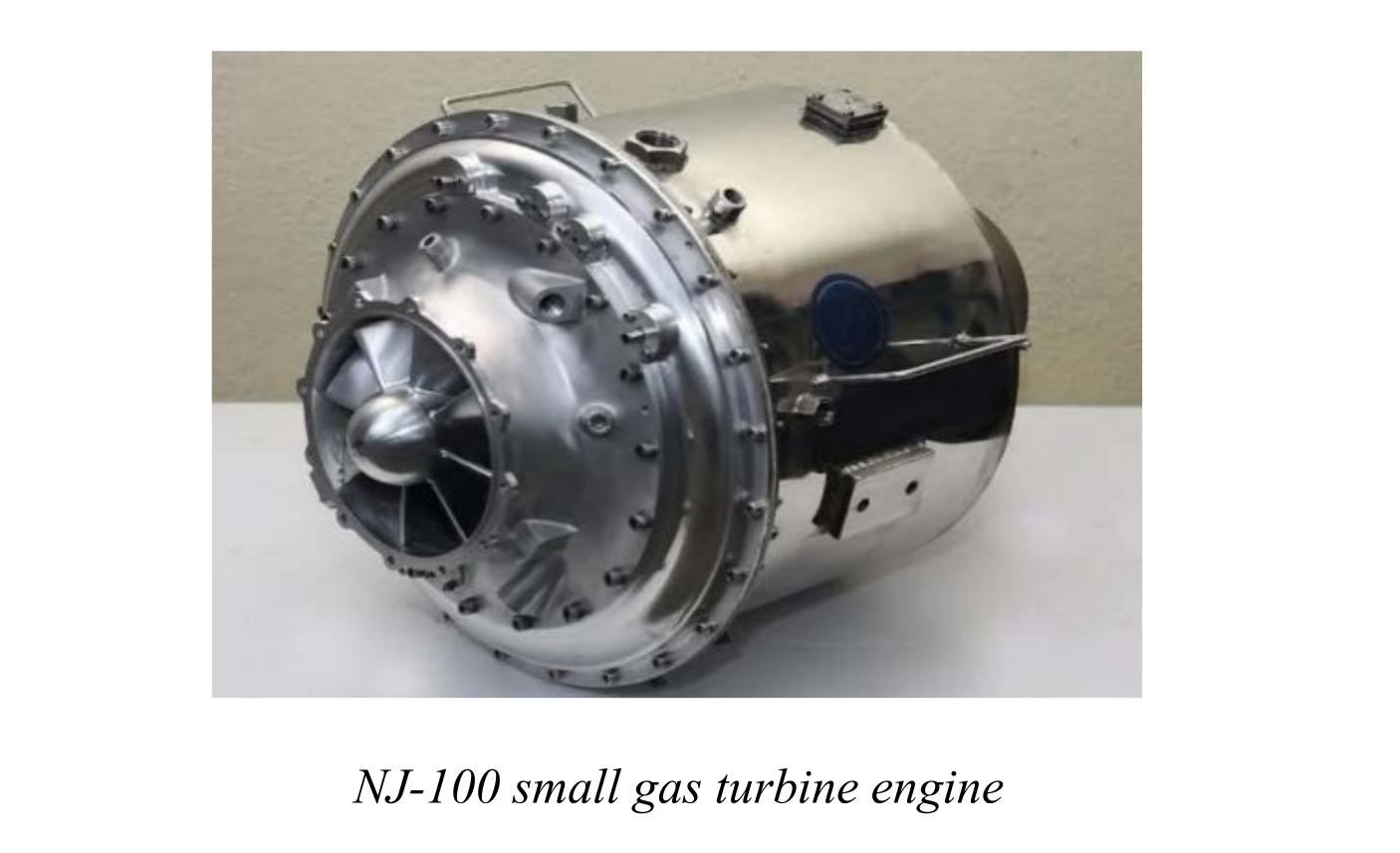
On 25 August 2026, CSIR-National Aerospace Laboratories (CSIR-NAL) introduced three indigenous micro and small gas turbine engines named NJ-05, NJ-50 and NJ-100 with thrusts of 5 kg, 50 kg, and 100 kg respectively. These compact engines, designed mainly for defense applications such as tactical unmanned aerial vehicles (UAVs), drone interceptors, and compact missile systems, represent a significant step towards Atmanirbhar Bharat in aerospace propulsion technology. The engines operate on the Brayton thermodynamic cycle, achieving a balance of low weight, high rotational speed, and compact dimensions. The NJ-100 engine is based on flight test data from the earlier NJ-05 technology demonstrator, showcasing India's growing capabilities in high-speed turbomachinery and micro gas turbines.
On this page
Key Facts
- Date of unveiling: 25 August 2026
- Location: SSB Auditorium, CSIR Headquarters, New Delhi
- Engines unveiled: NJ-05, NJ-50, NJ-100
- Thrust ratings: 5 kg, 50 kg, and 100 kg respectively
- Developed by: CSIR-National Aerospace Laboratories (CSIR-NAL), Bengaluru
- Chief Guest: Air Marshal Tejinder Singh, Chief of Integrated Defence Staff
- Engine operating principle: Brayton cycle gas turbine engines
- Designed for: Tactical unmanned aerial vehicles, drone interceptors, compact missile systems
- Significance: Indigenous development aligning with Atmanirbhar Bharat initiative
Background & Context
Gas turbine engines function by compressing air, mixing it with fuel, combusting the mixture, and expanding the hot gases through a turbine to produce thrust or shaft power. Micro and small gas turbine engines are critical for applications requiring lightweight, high-speed, and compact propulsion systems such as drones and missiles. Prior to this, India was reliant on imports for micro gas turbine technology.
The NJ-05 engine began as a technology demonstrator, and its successful flight tests formed the foundation for the development of the more powerful NJ-100 engine. The progression of thrust ratings from 5 kg (NJ-05), through 50 kg (NJ-50), to 100 kg (NJ-100) shows the scaling of indigenous technology capability.
CSIR-NAL, a constituent laboratory of the Council of Scientific and Industrial Research (CSIR), is spearheading this innovation. The project exemplifies mastery in high-speed turbomachinery, miniaturized combustion systems, bearings operating at extreme rotational speeds (up to 100,000 rpm), and integration of propulsion systems into compact volumes.
Why This Matters for Exams / Exam Relevance
This development is important for current affairs, defense technology, and science & technology sections in competitive examinations. Key facts to remember include the organization (CSIR-NAL), the engine names along with their thrusts (NJ-05: 5 kg, NJ-50: 50 kg, NJ-100: 100 kg), the operational principle (Brayton cycle), application areas (tactical UAVs, drone interceptors, missiles), and the date of unveiling (25 August 2026). It demonstrates India's advances in indigenous defense technology and aligns with the Atmanirbhar Bharat mission, reflecting the country's strategic push towards self-reliance in aerospace propulsion technology.
Points to Remember
- NJ-05, NJ-50, and NJ-100 are indigenous micro and small gas turbine engines developed by CSIR-NAL.
- Thrust ratings scale from 5 kg (NJ-05), 50 kg (NJ-50), to 100 kg (NJ-100).
- Designed primarily for tactical unmanned aerial vehicles, drone interceptors, and compact missile systems.
- Engines operate on the Brayton thermodynamic cycle.
- NJ-100 development is based on flight test data from the NJ-05 technology demonstrator.
- Unveiled on 25 August 2026 at the SSB Auditorium, CSIR Headquarters, New Delhi.
- Event attended by Air Marshal Tejinder Singh as Chief Guest.
- CSIR-NAL is a constituent laboratory of the Council of Scientific & Industrial Research (CSIR).
- Project supports India's Atmanirbhar Bharat initiative in defense manufacturing.
Sources & Further Reading
| Document / Website | Link |
|---|---|
| CSIR-NAL unveils indigenous micro and small gas turbine engines | Open CSIR-NAL unveils indigenous micro and small gas turbine engines ↗www.gktoday.in |
| Development of Micro Gas turbine Engine - India Science Portal | Open Development of Micro Gas turbine Engine - India Science Portal ↗www.indiascienceandtechnology.gov.in |
| Small Gas Turbine - Council of Scientific & Industrial Research | Open Small Gas Turbine - Council of Scientific & Industrial Research ↗www.csir.res.in |