
Election Commission to Conduct Special Intensive Revision of Electoral Rolls in Odisha from May 30, 2026
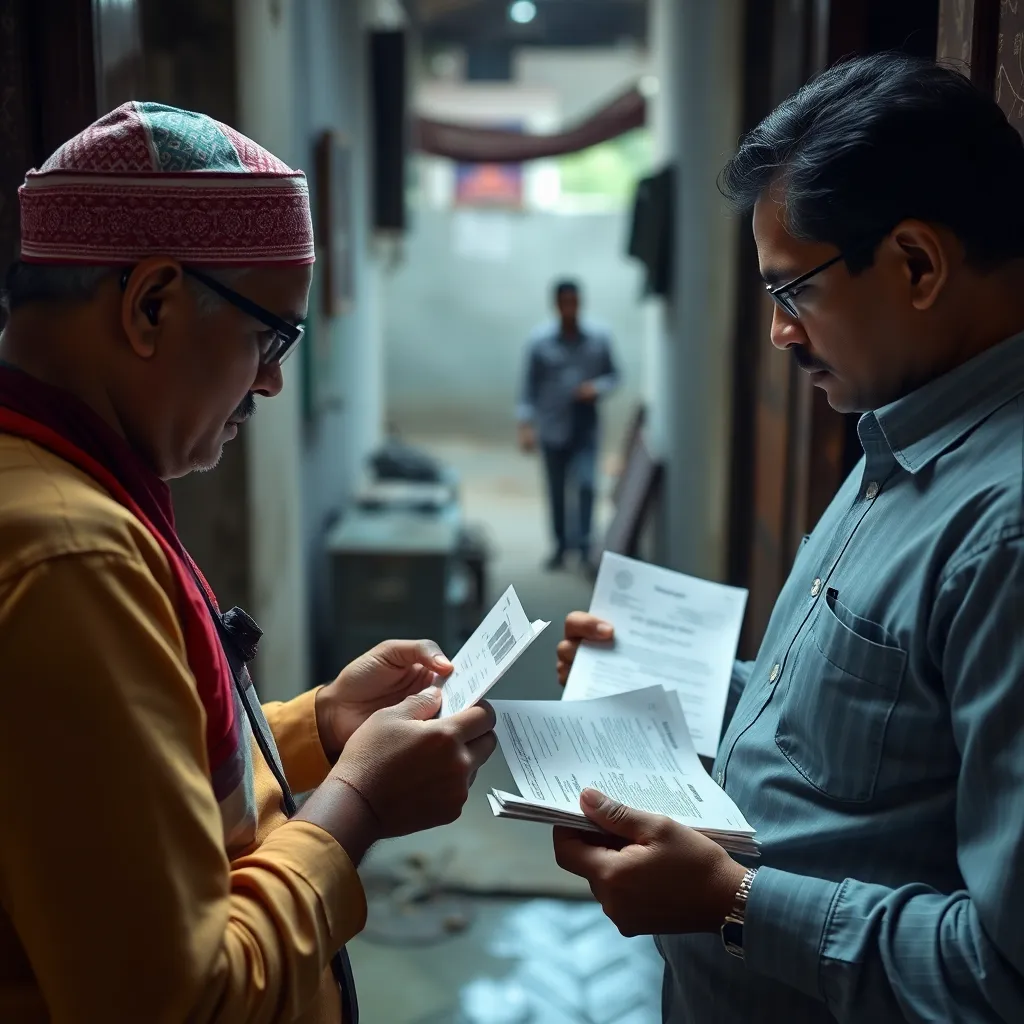
The Election Commission of India (ECI) will conduct a month-long Special Intensive Revision (SIR) of electoral rolls in Odisha starting May 30 until June 28, 2026. This exercise entails house-to-house verification by 45,255 booth-level officers (BLOs) supported by 27,723 booth-level agents (BLAs) appointed by political parties. The draft electoral rolls will be published on July 5, followed by a claims and objections period until August 4. After disposal of objections, the final rolls will be published on September 6, 2026. Odisha has approximately 33.4 million voters distributed across 147 assembly constituencies and polling stations, which will increase from 38,123 to 45,255 after the revision.
On this page
Key Facts
- The Election Commission of India (ECI) will conduct Special Intensive Revision (SIR) of electoral rolls in Odisha from May 30 to June 28, 2026.
- The SIR will involve house-to-house verification by 45,255 booth-level officers (BLOs) assisted by 27,723 booth-level agents (BLAs) appointed by seven political parties to ensure transparency and completeness.
- Preparation and training of BLOs and BLAs will take place from May 20 to May 29, 2026.
- Draft electoral rolls will be published on July 5, 2026; claims and objections will be accepted until August 4, 2026.
- Final electoral rolls, after disposal of claims and objections, will be published on September 6, 2026.
- Odisha currently has about 33.4 million registered voters: approximately 16.8 million men, 16.5 million women, and 3,090 third gender electors.
- Polling stations will be rationalised; the number will increase from 38,123 to 45,255 after revision.
- The revision is coordinated with the house-listing component of the Census, leveraging field machinery and focusing on verification at the booth level.
Background & Context
The Election Commission of India conducts the Special Intensive Revision of electoral rolls as part of its constitutional mandate under Article 324, empowering it to supervise and control elections to ensure they are conducted fairly and accurately. The revision process, backed by the Representation of the People Act, 1950, is crucial for maintaining current and error-free voter data. This includes identifying duplicates, deleting names of deceased or shifted electors, enrolling eligible new voters, and correcting other discrepancies.
In Odisha, this exercise is particularly significant given the state's large and diverse electorate, including tribal populations and urban youth. The SIR helps prepare the rolls for upcoming electoral events by ensuring the voter list's integrity and inclusiveness.
Why This Matters for Exams / Exam Relevance
This subject is pertinent to Indian polity and governance sections in competitive exams, illustrating the Election Commission's role in democratic processes. Understanding the SIR exemplifies how electoral rolls are maintained accurately—a key foundation for free and fair elections. Knowing the timelines, administrative roles (BLOs and BLAs), legal provisions (Article 324, Representation of the People Act), and coordination with the Census ties into questions about election administration.
State-specific details, such as the scale of Odisha's exercise, voter demographics, and polling booth rationalisation, provide concrete examples for descriptive answers and case studies in exams focusing on electoral reforms and electoral integrity.
Points to Remember
- Special Intensive Revision in Odisha runs from May 30 to June 28, 2026, with related electoral roll publication processes concluding by September 6, 2026.
- 45,255 Booth-Level Officers and 27,723 Booth-Level Agents from political parties are involved in detailed door-to-door verification.
- Polling booths increase from 38,123 to 45,255 as part of rationalisation.
- Odisha's voter count is approximately 33.4 million, inclusive of third gender electors.
- Legal authority for the process derives from Article 324 of the Constitution and the Representation of the People Act, 1950.
- The SIR process is coordinated with Census house-listing to utilise field resources effectively.
Sources & Further Reading
| Document / Website | Link |
|---|---|
| Election Commission to conduct Special Intensive Revision in Odisha | Open Election Commission to conduct Special Intensive Revision in Odisha ↗www.gktoday.in |
| ECI to conduct second phase of special intensive revision in 12 states, UTs; final voter list on Feb 7, 2026 | Open ECI to conduct second phase of special intensive revision in 12 states, UTs; final voter list on Feb 7, 2026 ↗ddnews.gov.in |