
FSSAI Issues Notices to Heritage Foods, Dia Foods, and Cipzer Nutraceuticals Over Misleading Food Claims
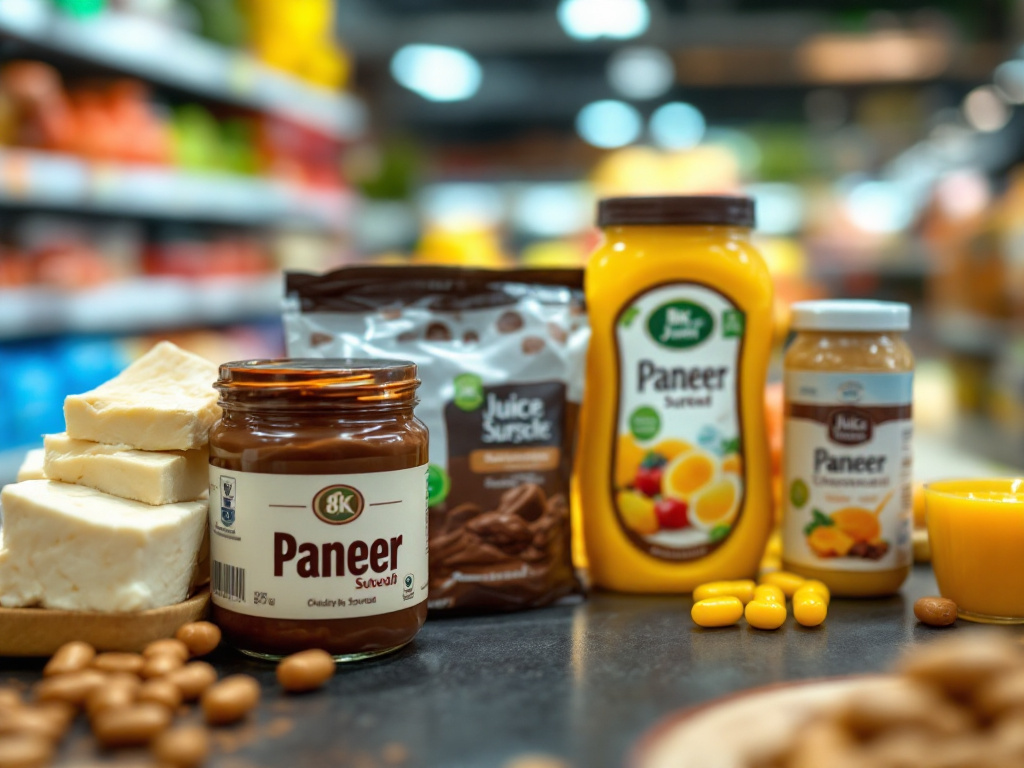
On 6 July 2026, the Food Safety and Standards Authority of India (FSSAI) issued notices to Heritage Foods Limited, Dia Foods, and Cipzer Nutraceuticals for alleged misleading claims and violations of labelling regulations. Heritage Foods was flagged for incorrect use of terms like "Fresh Paneer" and "Healthy". Dia Foods faced scrutiny over unverified claims such as "all natural", "100% organic", and "vegan" on its chocolate spread. Cipzer Nutraceuticals was noticed for unverifiable claims including "FSSAI Approved" and health benefit assertions on its juice capsules. These actions reflect FSSAI’s enforcement role under the Food Safety and Standards Act, 2006, emphasizing compliance with advertising and labelling rules essential for food safety and consumer protection.
On this page
Key Facts
- On 6 July 2026, the Food Safety and Standards Authority of India (FSSAI) issued notices to Heritage Foods Limited, Dia Foods, and Cipzer Nutraceuticals for alleged misleading claims and labelling violations.
- Heritage Foods Limited was cited for its product “Heritage Fresh Paneer” for non-compliance with conditions under Schedule V regarding use of the term “Fresh”. Additionally, the use of the term “Healthy” in the trademark “Healthy Happiness” was found to violate Regulation 8(3) of the Food Safety and Standards (Advertising and Claims) Regulations, 2018.
- Dia Foods received a notice for its “La Casa Vegan Hazelnut Chocolate Spread” making claims such as “all natural”, “100% organic”, and “vegan” without the required compliance and prior approval for organic and vegan endorsements.
- Cipzer Nutraceuticals was issued a notice for its “Juice Capsules” featuring claims like “FSSAI Approved”, “boost your immune system”, “remove toxins from your body”, and “made with organic vegetables” for which scientific substantiation was not provided.
- The companies were directed to submit explanations within seven days from 6 July 2026, failing which action could be taken under the Food Safety and Standards Act, 2006 and related regulations.
Background & Context
The Food Safety and Standards Authority of India (FSSAI), operating under the Ministry of Health and Family Welfare, is the apex regulatory body for food safety in India. It was established under the Food Safety and Standards Act, 2006, which provides the legal framework for regulating food products, additives, labelling, packaging, and advertising claims.
The Food Safety and Standards (Advertising and Claims) Regulations, 2018, specify standards and conditions for claims such as “fresh”, “healthy”, “organic”, and “vegan”. Schedule V of these regulations outlines specific conditions under which certain descriptive terms may be lawfully used in advertising and labelling.
FSSAI licenses food businesses but does not issue product-specific approval. Claims such as “FSSAI Approved” are misleading as no such individual product approval exists; rather, FSSAI approval relates to licensing of food business operators. This enforcement against misleading claims helps protect consumer interests and ensures truthful advertising.
Why This Matters for Exams / Exam Relevance
This event showcases the enforcement role of FSSAI under the Food Safety and Standards Act, 2006, highlighting how food safety laws regulate advertising and labelling claims. Competitors and students preparing for examinations in governance, consumer protection, health regulation, and policy may encounter questions related to FSSAI’s powers, the 2006 Act, the Advertising and Claims Regulations of 2018, and issues relating to misleading food product claims. Understanding the framework and practical applications is crucial for comprehensive exam preparation.
Points to Remember
- FSSAI is the apex food safety regulator in India, established under the Food Safety and Standards Act, 2006.
- The 2018 Food Safety and Standards (Advertising and Claims) Regulations govern the use of descriptive terms in food advertising and labelling.
- Schedule V specifies conditions for use of terms such as “fresh”.
- Misuse of terms like “Fresh”, “Healthy”, “all natural”, “100% organic”, “vegan”, and claims without scientific backing violates these standards.
- FSSAI licenses food business operators but does not approve individual products; hence claims like “FSSAI Approved” are misleading.
- Companies must respond promptly to notices to avoid legal action under the Food Safety and Standards Act, 2006.
Sources & Further Reading
| Document / Website | Link |
|---|---|
| FSSAI Issues Notices Over Misleading Paneer and Labelling Claims | Open FSSAI Issues Notices Over Misleading Paneer and Labelling Claims ↗www.gktoday.in |
| Food Safety and Standards Authority of India (FSSAI) Official Website | Open Food Safety and Standards Authority of India (FSSAI) Official Website ↗fssai.gov.in |
| Food Safety and Standards (Advertising and Claims) Regulations, 2018 | Open Food Safety and Standards (Advertising and Claims) Regulations, 2018 ↗fssai.gov.in |