
India Dominates World's Hottest Cities with 97 Out of 100 in 2026 Heatwave
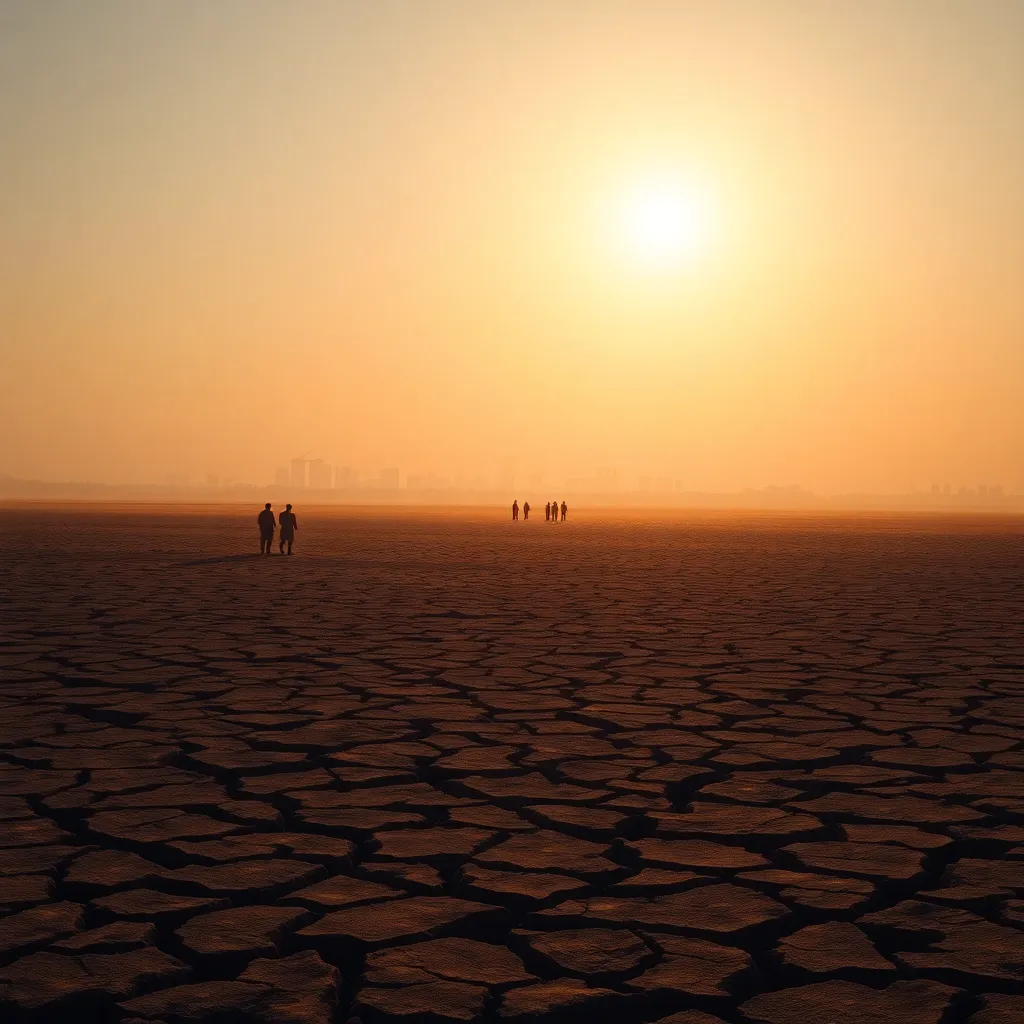
On 22 May 2026, India recorded an unprecedented 97 out of the world’s 100 hottest cities amid a severe heatwave affecting northern, central, and eastern regions. Cities like Balangir (Odisha) and Sasaram (Bihar) reached 48°C, with Varanasi (Uttar Pradesh) hitting 47°C. The India Meteorological Department (IMD) issued heatwave to severe heatwave alerts through 27 May, warning of extreme temperatures combined with low humidity, which exacerbate heat stress and dehydration risks. The heatwave caused over 325 suspected heatstroke cases reported in Andhra Pradesh alone. This event underscores India’s vulnerability to climate extremes, particularly in the pre-monsoon months from April to June.
On this page
Key Facts
- On 22 May 2026, India had 97 out of the world’s 100 hottest cities, according to real-time AQI.in data.
- Balangir in Odisha and Sasaram in Bihar recorded the highest temperatures of 48°C, while Varanasi in Uttar Pradesh recorded 47°C.
- The India Meteorological Department (IMD) classified the event as heatwave to severe heatwave conditions across large parts of northern, central, and eastern India, with alerts extended until 27 May 2026.
- Humidity during this period was exceptionally low, between 6-8%, intensifying heat stress and dehydration risks.
- Andhra Pradesh reported 325 suspected heatstroke cases between 1 March and 19 May 2026, with hospitals across affected states seeing cases of dehydration and other heat-related illnesses.
Background & Context
A heatwave in India is defined by the IMD based on region-specific temperature thresholds and departures from normal temperature conditions. The IMD issues alerts in categories such as heatwave, severe heatwave, and extreme heat conditions. Heatwaves generally occur during pre-monsoon months (April-June), particularly affecting northern, central, and eastern regions. States like Odisha, Bihar, and Uttar Pradesh regularly experience extreme summer temperatures. The 2026 heatwave was notable for its severity and scale, reflecting ongoing trends linked to climate change, including increased frequency and intensity of extreme heat events in India.
Why This Matters for Exams / Exam Relevance
This record-breaking heatwave event highlights critical aspects of India’s climate vulnerability, meteorological monitoring capabilities, and public health impacts. It demonstrates the IMD’s role in classifying and issuing warnings for heatwaves and underscores the importance of understanding climate change effects on disaster management. Civil Services aspirants may encounter questions on heatwave definitions, impacts, adaptation strategies, and government responses in environment, geography, and current affairs syllabi.
Points to Remember
- The India Meteorological Department (IMD) is the official agency responsible for heatwave monitoring and alerts.
- Heatwave severity is classified by IMD into heatwave, severe heatwave, and extreme heat based on temperature thresholds and percentile departures.
- Balangir (Odisha) and Sasaram (Bihar) recorded the highest temperatures (48°C) during the May 2026 heatwave.
- Heatwaves commonly occur during pre-monsoon months (April-June) in India.
- Low humidity (6-8%) combined with high temperatures magnify heat stress and health risks like dehydration and heatstroke.
- Healthcare impacts included 325 suspected heatstroke cases reported in Andhra Pradesh from March to May 2026.
- Understanding heatwave impacts and IMD’s classification is essential for disaster management and climate change adaptation context in exams.
Sources & Further Reading
| Document / Website | Link |
|---|---|
| India records 97 of world's 100 hottest cities | Open India records 97 of world's 100 hottest cities ↗www.gktoday.in |
| Heat Wave Guidance - IMD | Open Heat Wave Guidance - IMD ↗mausam.imd.gov.in |
| India’s Extreme Heatwave 2026: Causes, Impacts and Climate Adaptation Strategies | Open India’s Extreme Heatwave 2026: Causes, Impacts and Climate Adaptation Strategies ↗visionias.in |