
India-Germany Project 75I Submarine Deal Nears Finalisation
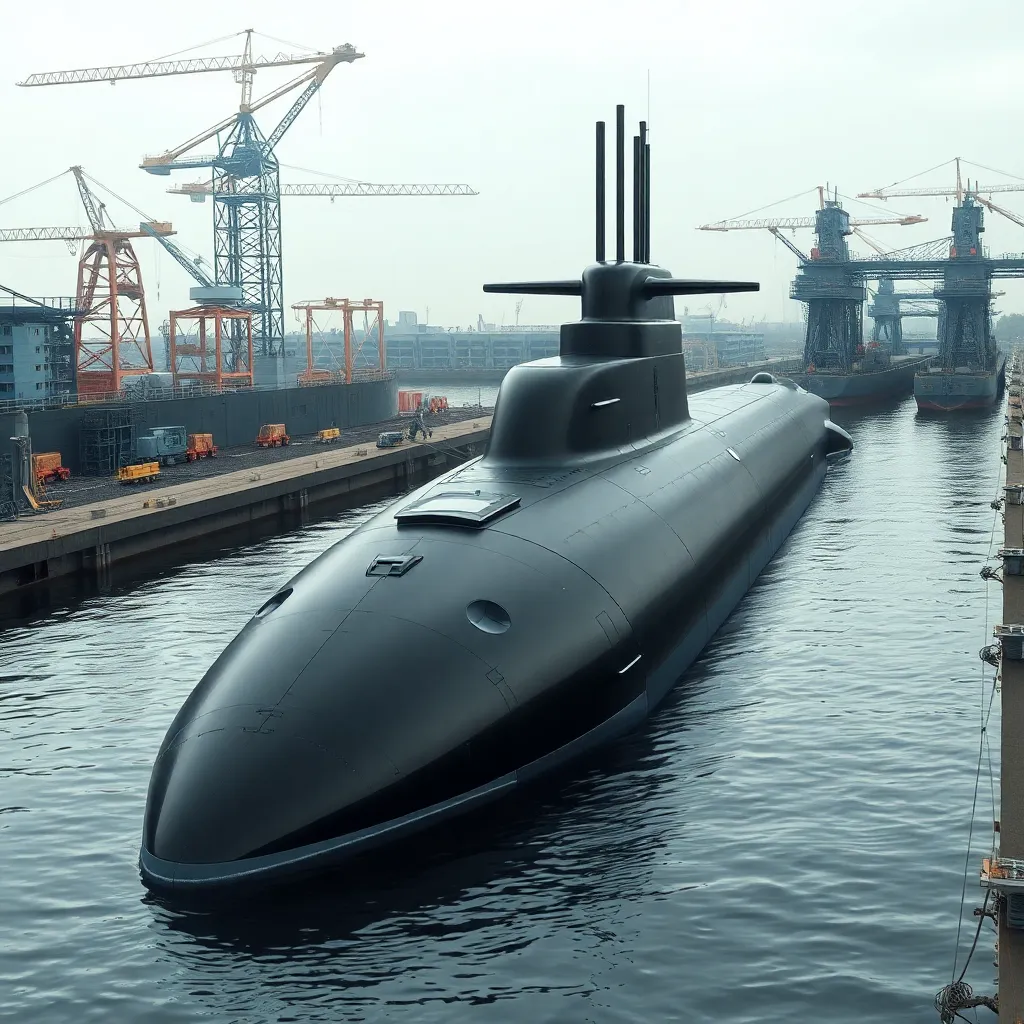
India and Germany are nearing finalisation of a significant $8 billion deal under Project 75I for six advanced HDW Class 214 submarines. These submarines, equipped with Air-Independent Propulsion (AIP) technology, will be constructed at Mazagon Dock Shipbuilders Ltd in Mumbai, featuring technology transfer from Germany's Thyssenkrupp Marine Systems. The deal is expected to be signed by March 2026, with initial steel cutting by late 2026 and first vessel trials projected by 2031. This represents one of India's largest defense contracts and is pivotal for modernizing the Indian Navy's underwater fleet.
On this page
Key Facts
- Project 75I involves procurement of six HDW Class 214 submarines with Air-Independent Propulsion (AIP) systems enabling extended submerged endurance (up to weeks without surfacing).
- The deal's approximate value is $8 billion.
- Submarine construction is planned at Mazagon Dock Shipbuilders Limited (MDL) in Mumbai, India, under a technology transfer agreement with Germany's Thyssenkrupp Marine Systems (TKMS).
- First submarine delivery is expected approximately seven years after contract signing; steel cutting may begin by late 2026; trialing of the first submarine is projected around 2031.
- The agreement includes transfer of critical submarine-building technologies, including AIP systems, which permit conventional diesel-electric submarines to operate with greater stealth and endurance.
- Germany has not previously transferred such comprehensive submarine construction technology outside its European partners, marking a significant strategic collaboration.
Background & Context
Project 75I is a strategic and modern submarine acquisition program of the Indian Navy following Project 75, which involved construction of six Scorpene-class submarines. It aims at bolstering India's undersea warfare capabilities through advanced platforms integrating stealth, endurance, and technology transfer elements. The HDW Class 214 submarine design, developed in Germany, incorporates a proven fuel cell-based AIP system, enabling longer submerged patrols and improving naval deterrence. The deal supports India's Atmanirbhar Bharat initiative by emphasizing indigenous construction and long-term maintenance infrastructure development in India. The partnership with Germany is crucial given the rising challenges in the Indian Ocean Region and the aging status of India's existing submarine fleet.
Why This Matters for Exams
This deal is an important current affairs topic for competitive exams, particularly focusing on Indian defense procurement, international strategic partnerships, indigenous technology development, and maritime security. Understanding Project 75I provides insights into how India is upgrading its naval capabilities and fostering technology transfer and domestic manufacturing in defense. It exemplifies government policies on defense offsets and strategic autonomy relevant for general studies, defense technology, and international relations sections.
Points to Remember
- Project 75I: Indian initiative to procure six advanced diesel-electric submarines equipped with Air-Independent Propulsion.
- HDW Class 214: German diesel-electric submarine design featuring fuel cell-based AIP technology.
- Air-Independent Propulsion (AIP): Enables conventional submarines to remain submerged much longer without snorkeling, enhancing stealth.
- Mazagon Dock Shipbuilders Ltd (MDL): Indian state-owned shipyard responsible for submarine construction under technology transfer.
- Thyssenkrupp Marine Systems (TKMS): German company supplying submarine technology and design.
- Deal Value: Estimated about $8 billion, making it one of India's largest defense contracts.
- Timeline: Contract signing expected by March 2026; steel cutting by late 2026; first delivery around 2031.
- Strategic Importance: Addresses aging submarine fleet, enhances maritime security and underwater offensive capabilities, and supports indigenous defense manufacturing.
Sources & Further Reading
| Document / Website | Link |
|---|---|
| India-Germany submarine deal nears finalisation | Open India-Germany submarine deal nears finalisation ↗www.gktoday.in |
| Project 75(I) Submarine Procurement | Open Project 75(I) Submarine Procurement ↗www.globalsecurity.org |
| HDW Class 214 - TKMS Group | Open HDW Class 214 - TKMS Group ↗www.tkmsgroup.com |
| India-Germany $8 billion submarine deal expected by March 2026 | Open India-Germany $8 billion submarine deal expected by March 2026 ↗manufacturing.economictimes.indiatimes.com |
| Union Govt approves Indo-German submarine deal under Project 75 | Open Union Govt approves Indo-German submarine deal under Project 75 ↗organiser.org |