
India-Japan Maritime Security Cooperation Pact Signed in 2026
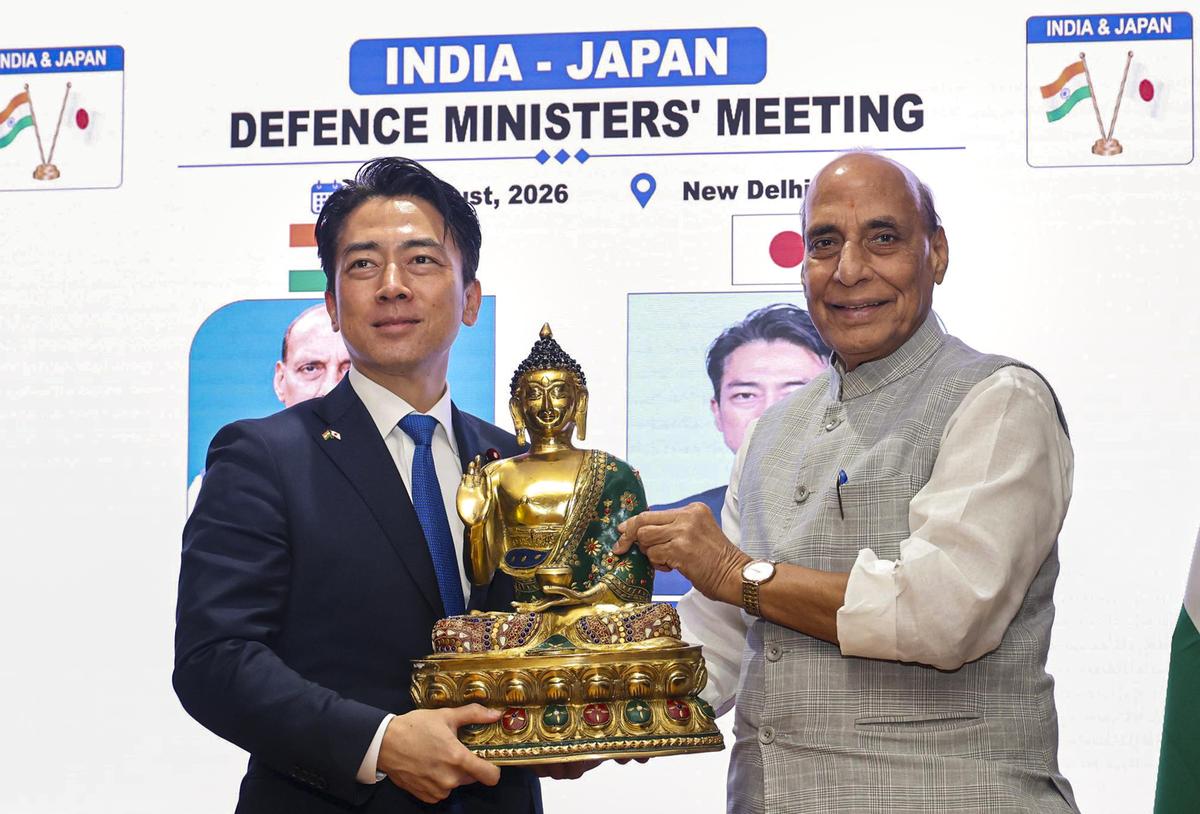
On August 20, 2026, India and Japan signed a Memorandum of Arrangement (MoA) on Maritime Security Cooperation in New Delhi. This pact establishes a formal framework for the Indian Navy and the Japan Maritime Self-Defense Force to cooperate on maritime security, operational coordination, and logistics support. It encompasses maritime domain awareness, search and rescue, humanitarian assistance and disaster relief, reciprocal logistical support including ship repair, as well as joint naval exercises and personnel exchanges. The agreement is linked with the Free and Open Indo-Pacific vision and emphasizes joint collaboration on naval shipbuilding leveraging Japanese technology and Indian production under the Make in India initiative.
On this page
Key Facts
- Date Signed: August 20, 2026
- Parties: Indian Navy and Japan Maritime Self-Defense Force
- Core Areas of Cooperation: Maritime Domain Awareness (MDA), Search and Rescue (SAR), Humanitarian Assistance and Disaster Relief (HADR), reciprocal naval logistical support including ship repair, joint naval exercises, personnel exchanges, and coordination on safeguarding Sea Lines of Communication.
- Joint Development: Exploration of joint naval shipbuilding and design with Japanese expertise and Indian manufacturing capabilities under the Make in India framework, as well as capacity building for undersea mine countermeasures.
- Strategic Framework: Commitment to a Free and Open Indo-Pacific enhancing regional maritime security and opposing unilateral attempts to alter the status quo by force.
Background & Context
India and Japan have been progressively fostering strategic partnerships emphasizing maritime security to protect vital sea lanes crucial for international trade and energy transit. This memorandum formalizes and enhances naval cooperation at a time of heightened global and regional maritime tensions. Both nations prioritize freedom of navigation, maritime stability, and adherence to international maritime law, aligned with their shared vision for a free, open, and resilient Indo-Pacific.
Why This Matters for Exams / Exam Relevance
This pact exemplifies India-Japan bilateral defense collaboration under the 'Japan-India Special Strategic and Global Partnership'. It reflects India’s strategic approach to maritime security, operational interoperability with key regional partners, and the government’s push for indigenous defense manufacturing via the Make in India initiative. Students should be familiar with components of maritime security like MDA, SAR, HADR, and the regional geopolitical concepts such as the Free and Open Indo-Pacific. These topics are often featured in international relations and defense sections of civil services and competitive exams.
Points to Remember
- The MoA was signed in New Delhi on August 20, 2026.
- Covers comprehensive maritime security cooperation between India and Japan.
- Focuses on operational coordination, logistics including use of naval bases and ship repair facilities, joint naval exercises, and personnel exchanges.
- Emphasizes joint development in naval shipbuilding using Japan’s advanced technology and India’s Make in India production capacities.
- Enhances coordination on undersea mine countermeasures.
- Supports the broader vision of Free and Open Indo-Pacific and maritime stability in line with India's MAHASAGAR initiative.
- The arrangement reflects India and Japan’s opposition to unilateral alterations of the maritime status quo by force or coercion, reinforcing international maritime law.
Sources & Further Reading
| Document / Website | Link |
|---|---|
| India, Japan sign maritime security pact to deepen defence cooperation - The Hindu | Open India, Japan sign maritime security pact to deepen defence cooperation - The Hindu ↗www.thehindu.com |
| India and Japan agree to deepen defence technology partnership - Business Standard | Open India and Japan agree to deepen defence technology partnership - Business Standard ↗www.business-standard.com |
| India, Japan sign maritime pact, explore joint naval warship development - The Tribune | Open India, Japan sign maritime pact, explore joint naval warship development - The Tribune ↗www.tribuneindia.com |
| India and Japan Guarantors of Indo-Pacific Security - The Statesman | Open India and Japan Guarantors of Indo-Pacific Security - The Statesman ↗www.thestatesman.com |