
India Launches Hub-and-Spoke Aviation Model to Boost International Connectivity from Tier-2 and Tier-3 Cities
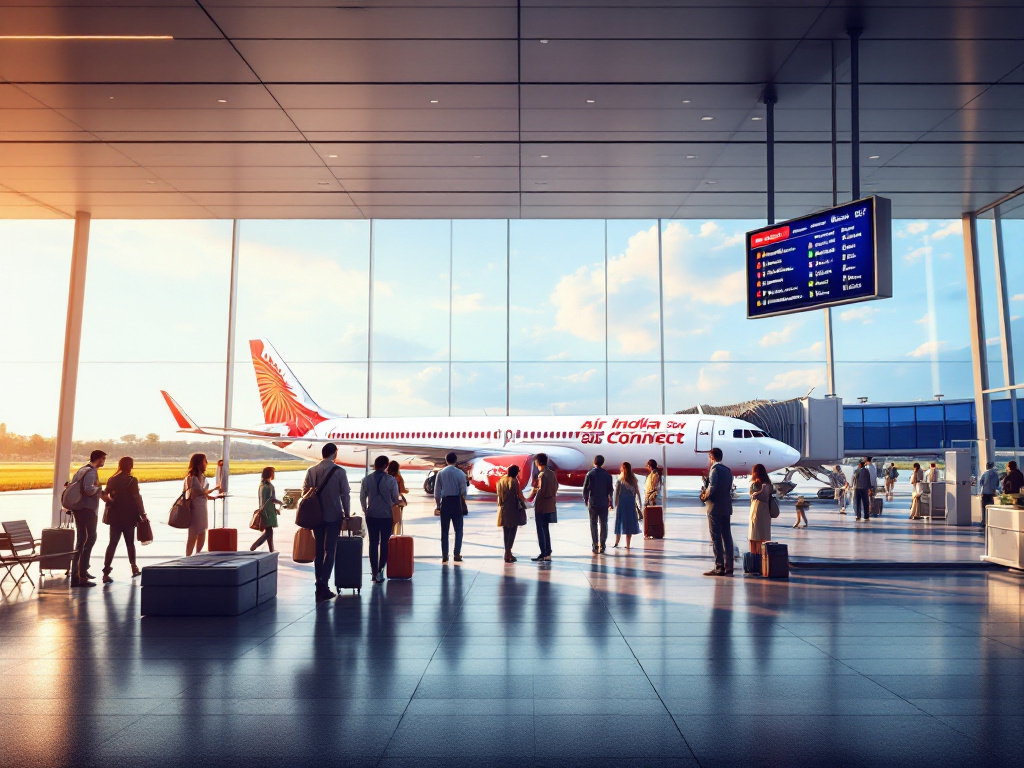
On 25 June 2026, India inaugurated a hub-and-spoke aviation model to enhance international air connectivity from Tier-2 and Tier-3 cities. The first service under this model was an Air India Easy Connect flight from Varanasi to international destinations via Delhi. The model connects smaller airports (spokes) with major hubs located at Delhi, Mumbai, Bengaluru, and Hyderabad, enabling passengers to complete immigration and baggage formalities at their origin airport. The government plans to add six more destinations within six weeks, targeting coverage of 30 airports including Nagpur. This initiative aims to reduce dependence on foreign transit hubs and supports India's goal of becoming a global aviation hub by 2047 with potential economic benefits including the creation of 16 million direct and indirect jobs and a contribution of approximately USD 1.4 trillion to the economy by 2047.
On this page
Key Facts
- Launch Date: 25 June 2026
- First Flight: Varanasi to international destinations via Delhi on Air India Easy Connect
- Hubs: Delhi (Indira Gandhi International Airport), Mumbai, Bengaluru, Hyderabad
- Expansion Plan: Six more destinations to be added within six weeks, targeting 30 airports including Nagpur
- Passenger Processing: Immigration and baggage formalities completed at spoke airports (origin airports)
- Objective: Enhance international connectivity from smaller cities and retain transit traffic within India
- Long-term Goal: Establish India as a global aviation hub by 2047
- Economic Impact: Creation of 16 million direct and indirect jobs; projected USD 1.4 trillion economic contribution by 2047
Background & Context
The hub-and-spoke aviation model is a network design commonly used globally where smaller airports ('spokes') are connected to larger, centralized airports ('hubs'). This setup allows passengers from smaller cities to connect through major hubs efficiently without requiring direct international flights from every airport. Traditionally, India’s international aviation transit relied significantly on foreign hubs such as Dubai or Singapore, which resulted in passenger inconvenience and loss of economic opportunities. By implementing this model, India aims to improve accessibility for Tier-2 and Tier-3 cities, streamline international travel processes such as immigration and baggage handling at origin airports, and boost regional economic growth through enhanced connectivity.
Why This Matters for Exams / Exam Relevance
The launch of the hub-and-spoke model is a significant development in India’s civil aviation sector, reflecting government efforts to improve infrastructure and connectivity. Questions related to this topic may appear in current affairs, economic development, or transport and logistics sections of competitive exams. Important points include the launch date, cities involved, the working of the hub-and-spoke model, and its long-term strategic importance aligned with India's 2047 vision. Candidates should understand the concept’s operational benefits and its impact on regional development.
Points to Remember
- The model was launched on 25 June 2026 with the inaugural flight from Varanasi to various international destinations via Delhi.
- Four main hubs are Delhi, Mumbai, Bengaluru, and Hyderabad.
- The system allows completing immigration and baggage formalities at the origin (spoke) airport.
- Designed to reduce transit dependency on foreign airports by routing international traffic through Indian hubs.
- Part of India's ambition to become a global aviation hub by the year 2047.
- Expected to generate approximately 16 million direct and indirect jobs.
- Projected economic contribution of nearly USD 1.4 trillion by 2047.
Sources & Further Reading
| Document / Website | Link |
|---|---|
| India launches hub-and-spoke aviation model | Open India launches hub-and-spoke aviation model ↗www.gktoday.in |
| Explained: What is 'hub-and-spoke' aviation model and why it matters now – Business Standard | Open Explained: What is 'hub-and-spoke' aviation model and why it matters now – Business Standard ↗www.business-standard.com |
| Air India Hub System and Locations - iFLY | Open Air India Hub System and Locations - iFLY ↗www.ifly.com |
| What Is 'Hub-And-Spoke' Aviation Model And Why India Is Adopting It Now – Outlook Business | Open What Is 'Hub-And-Spoke' Aviation Model And Why India Is Adopting It Now – Outlook Business ↗www.outlookbusiness.com |