
India’s Secunderabad and Mumbai Landfills Among World's Top 25 Methane Super-Emitters in 2025
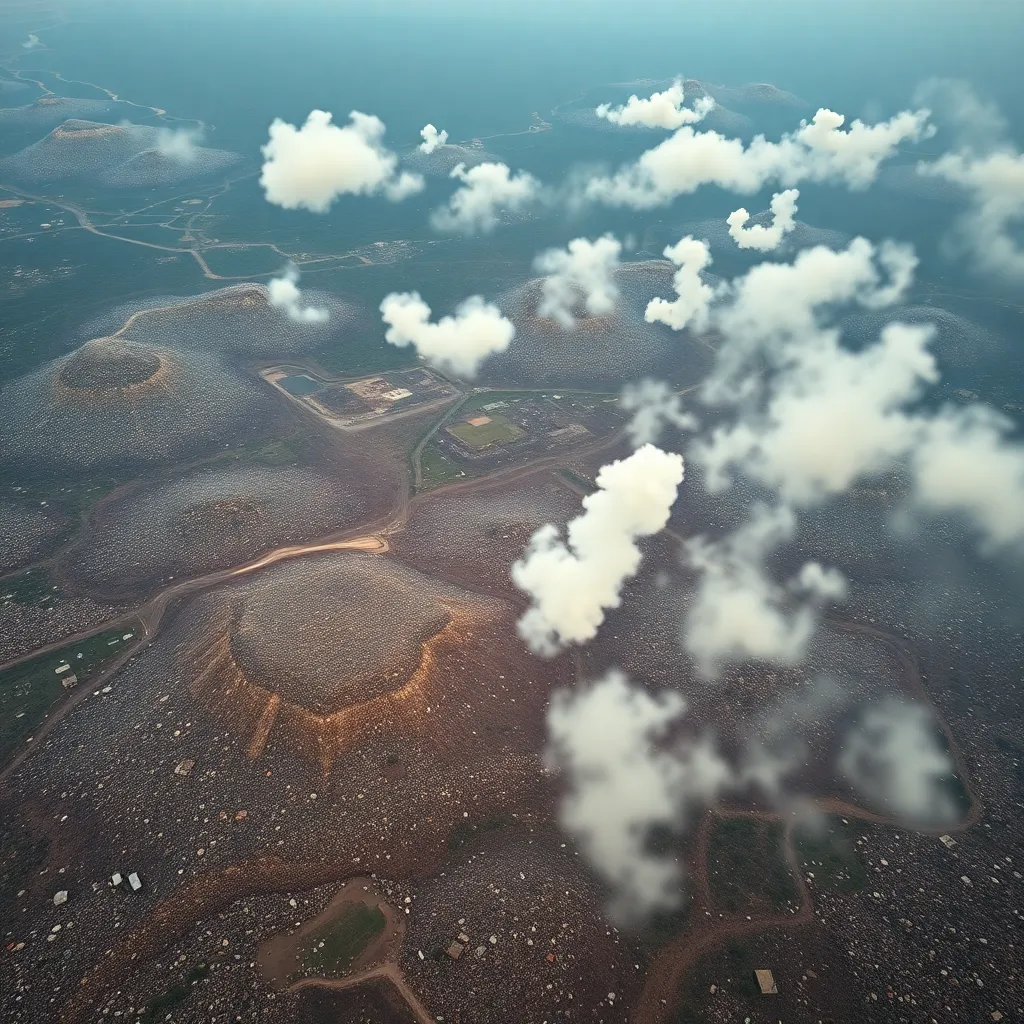
As per the 2025 report by UCLA’s STOP Methane Project, satellite data identified two Indian landfill sites—Secunderabad in Telangana and Mumbai in Maharashtra—among the world's top 25 methane-emitting landfills. These sites emit methane at rates between 3.6 and 7.5 tonnes per hour, placing them among the most significant global sources of landfill methane emissions. Methane, a potent greenhouse gas, has a warming potential approximately 80 times that of carbon dioxide over a 20-year period. The waste sector globally contributes about 20% of human-caused methane emissions, and India holds the largest mitigation potential in this sector due to its vast municipal waste generation. Mitigation efforts such as organic waste segregation, landfill gas capture, and waste-to-energy are critical to reduce emissions.
On this page
Key Facts
- Two landfill sites in India—Secunderabad (Telangana) and Mumbai (Maharashtra)—are among the top 25 global methane-emitting landfills in 2025.
- The emission rate at these sites ranges between 3.6 to 7.5 tonnes of methane per hour, placing them among the highest emitters worldwide.
- Methane is a greenhouse gas with a global warming potential approximately 80 times that of carbon dioxide over a 20-year horizon.
- The waste sector contributes roughly 20% of anthropogenic methane emissions globally.
- India possesses the largest methane mitigation potential within the municipal waste sector due to the scale of its waste generation.
- Key mitigation strategies include organic waste segregation, landfill gas capture, and waste-to-energy processes.
- Methane emissions from landfills exacerbate climate change risks and contribute to urban air pollution and public health concerns through ground-level ozone formation.
Background & Context
The 2025 report “Spotlight on the Top 25 Methane Plumes in 2025: Landfills” by UCLA’s STOP Methane Project used satellite data collected by the Carbon Mapper mission to detect methane plumes globally from over 700 waste sites. This high-resolution remote sensing reveals landfill methane hotspots, a major contributor to short-term climate forcing and urban air pollution. Indian landfills in Secunderabad and Mumbai emerged as significant methane super-emitters.
Methane generation occurs from anaerobic decomposition of organic matter in landfills, especially where waste management is poor or insufficiently regulated. This is a key challenge in fast-urbanizing regions of India, calling for enhanced waste management systems and monitoring.
Why This Matters for Exams / Exam Relevance
This topic is directly relevant to environmental science, climate change, and current affairs segments of competitive exams, particularly for Indian state and national level tests. Understanding India's status in global methane emissions, the environmental and health impacts of landfill methane, and mitigation efforts demonstrates awareness of pressing environmental challenges and policy responses. Candidates may be asked about greenhouse gas sources, urban pollution, or India's climate action opportunities.
Points to Remember
- The report was published by UCLA’s STOP Methane Project in 2025, identifying top landfill methane emitters globally.
- India's two notable landfill sites: Secunderabad (Telangana) and Mumbai (Maharashtra).
- Emission rates range from 3.6 to 7.5 tonnes of methane per hour at these sites.
- Methane is approximately 80 times more potent than CO₂ over a 20-year period regarding global warming potential.
- The waste sector contributes ~20% of global human-caused methane emissions.
- India has a large methane mitigation potential given the scale of municipal solid waste generation.
- Mitigation methods include segregation of organic waste, landfill gas capture and flaring or utilization, and waste-to-energy conversion.
- Methane emissions contribute to ground-level ozone formation, impacting urban air quality and public health.
Sources & Further Reading
| Document / Website | Link |
|---|---|
| Indian landfills among top methane super-emitters | Open Indian landfills among top methane super-emitters ↗www.gktoday.in |
| Reducing methane emissions from landfill gas 2025 method - Australian Carbon Credit Scheme | Open Reducing methane emissions from landfill gas 2025 method - Australian Carbon Credit Scheme ↗cer.gov.au |