
Indian Army Unveils New Dress Code With Indigenous and Modern Features
In June 2026, the Indian Army introduced 'Army Uniforms–2026', a comprehensive 174-page manual replacing eight-year-old dress regulations. It eliminates colonial-era terms like 'Royal' and introduces significant updates, including the indigenous bandi jacket as formal civil attire for officers, a new winter working uniform called Dress 3B to replace older jersey-based winter uniforms by June 2029, optional sword carriage for reviewing officers during parades, and removal of ceremonial pouch belts from some mess dresses. The manual also enforces strict grooming standards and provides specific formal clothing options for women officers. These updates emphasize aligning military traditions with Indian national identity while maintaining discipline and professionalism.
On this page
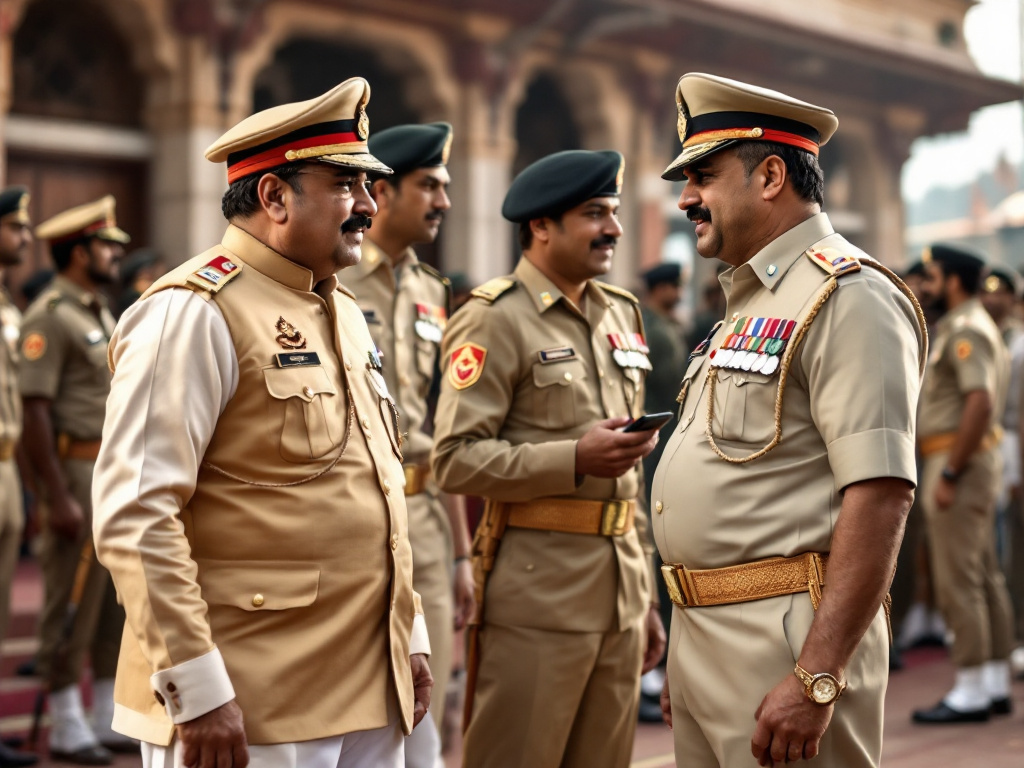
Key Facts
- The Indian Army released the Army Uniforms–2026 pamphlet in June 2026, replacing the existing dress regulations last updated in 2018.
- The pamphlet is 174 pages long and standardizes dress regulations across the force.
- Indigenous Bandi jackets have been introduced as part of formal civil attire for officers, worn over a full-sleeved shirt with formal trousers and closed footwear.
- A new winter working uniform, Dress 3B, consisting of an angola shirt, battle jacket, and beret, will replace the older jersey-based Dress 3A by June 30, 2029.
- Swords are now optional for Reviewing Officers during parades; they remain mandatory for parade commanders, contingent commanders, and designated personnel during major ceremonial events such as Republic Day.
- The colonial-era term "Royal" has been officially removed from Army terminology.
- Pouch belts have been removed from Mess Dress Nos. 5 and 6 but remain authorized for certain arms and services up to the rank of colonel during regimental and corps functions.
- The manual introduces detailed grooming standards, prohibiting radical hairstyles, unauthorized beards, visible tattoos, body piercings, and electronic gadgets, with exemptions for Sikh soldiers.
- Women officers' formal attire options now include sober-coloured sarees or kurta-salwar sets with ankle-length straight trousers and a dupatta; sleeveless kurtas and palazzos are not permitted.
Background & Context
The Indian Army’s uniform regulations historically contained colonial-era practices and terminology inherited from the British era. Post-independence, efforts have been ongoing to align military customs with India's sovereign identity. Following Prime Minister Narendra Modi’s call to eliminate colonial vestiges from military traditions, the 2026 uniform manual represents a progressive step to modernize military attire and ceremonial practices, fostering indigenous identity while preserving the Army’s dignity, functionality, and tradition.
Why This Matters for Exams / Exam Relevance
The introduction of Army Uniforms–2026 is significant for current affairs, defense, and polity segments in competitive exams like UPSC, state PCS, and defense-related exams. It reflects India’s broader indigenization drive and modernization of its armed forces while demonstrating respect for tradition. Questions may focus on the year of introduction, key uniform changes like the bandi jacket, Dress 3B implementation timeline, removal of colonial terminology, and changes to ceremonial practices.
Points to Remember
- Army Uniforms–2026 was officially introduced in June 2026.
- Bandi jackets authorized as formal civil attire for officers.
- New winter uniform Dress 3B includes angola shirt, battle jacket, and beret; full transition expected by June 2029.
- Swords are optional for Reviewing Officers during parades; required only for key commanders and designated personnel at major ceremonies.
- Pouch belts removed from Mess Dress Nos. 5 and 6, except for certain arms and ranks.
- The term "Royal" is discontinued from official usage.
- Strict grooming codes implemented with exceptions for Sikh soldiers.
- Women officers may wear sober sarees or kurta-salwar with ankle-length trousers and dupatta; sleeveless kurtas and palazzos prohibited.
Sources & Further Reading
| Document / Website | Link |
|---|---|
| Indian Army introduces new uniform code | Open Indian Army introduces new uniform code ↗www.gktoday.in |
| Indian Army unveils new uniform policy, phases out colonial-era practices - The Hindu | Open Indian Army unveils new uniform policy, phases out colonial-era practices - The Hindu ↗www.thehindu.com |
| Indian Army's new dress code includes bandi jackets; check other grooming rules | Open Indian Army's new dress code includes bandi jackets; check other grooming rules ↗www.livemint.com |
| Indian Army Uniforms 2026 Manual: From new winter dress to Bandi jackets and tattoo regulations | Open Indian Army Uniforms 2026 Manual: From new winter dress to Bandi jackets and tattoo regulations ↗economictimes.indiatimes.com |
| Indian Army drops colonial-era dress customs; brings in Bandis, battlejackets under new uniform code | Open Indian Army drops colonial-era dress customs; brings in Bandis, battlejackets under new uniform code ↗www.aninews.in |