
Karnataka Notifies Textile & Apparel Policy 2026-31 to Boost Investment and Employment
On September 30, 2026, Karnataka notified its Textile & Apparel Policy 2026-31 with a Rs 4,000 crore outlay to attract Rs 20,000 crore investment and create 5 lakh jobs.
On this page
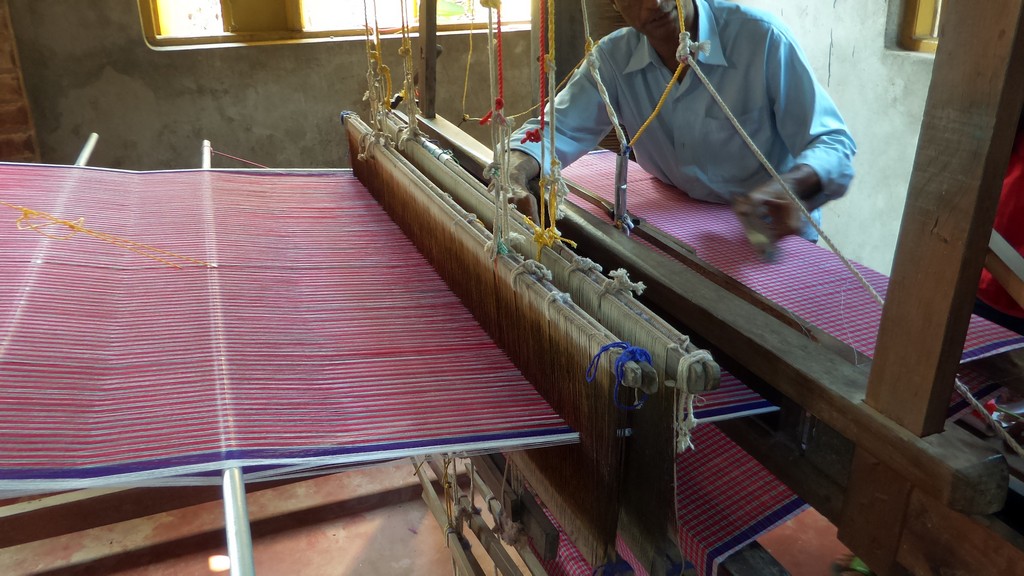

On September 30, 2026, the Government of Karnataka officially notified the Textile & Apparel Policy (version 4.0) for the period 2026-31. This policy aims to stimulate the state’s textile sector by attracting domestic and foreign investments worth Rs 20,000 crore and generating employment for 5 lakh people over five years. The policy carries a financial outlay of Rs 4,000 crore.
Key Highlights of Karnataka Textile & Apparel Policy 2026-31
Policy Duration and Scope
Effective from 30 September 2026, the policy is valid for five years or until superseded by a new textile policy. It focuses on manufacturing, processing, exports, skill development and infrastructure in the textiles and apparel sectors.
Focused Taluks and Regional Incentives
- Karnataka identified 34 taluks (administrative subdivisions) for special incentives and concessions to encourage new textile and apparel units.
- Industrial support extends beyond Bengaluru to include special provisions for the Kalyana Karnataka region, promoting balanced regional development.
Inclusion of Silk and Technical Textiles
- For the first time, the policy explicitly includes silk yarn production processes such as silk reeling and spinning, acknowledging Karnataka’s strong sericulture heritage.
- Special incentives are offered for eligible units located in the PM MITRA Park, an integrated textile infrastructure project in Kalaburagi under the central government scheme.
- The policy prioritizes technical textiles, which are functional textile products like medical textiles and geotextiles, alongside traditional sectors.
Policy Priorities
The Karnataka Textile & Apparel Policy 2026-31 emphasizes:
- Promoting textile and apparel production with a focus on silk and technical textiles.
- Supporting handloom sectors and sustainable manufacturing practices.
- Boosting skill development to enhance workforce capabilities.
- Strengthening export competitiveness to tap into global markets.
- Enhancing value-chain development linking industrial expansion with employment generation.
Exam-Relevant Context
- Karnataka is a key silk producer in India, making policies supporting sericulture important.
- Textile policies often cover incentive structures, export promotion, and regional development to balance investments.
- Understanding PM MITRA Parks is useful as they represent central government initiatives to modernize textile infrastructure.
- The inclusion of technical textiles aligns with India’s broadening textile sector focus beyond traditional clothing to specialized textile products.
Sources & Further Reading
| Document / Website | Link |
|---|---|
| Karnataka Notifies Textile & Apparel Policy 2026-31 – GKToday | Open Karnataka Notifies Textile & Apparel Policy 2026-31 – GKToday ↗www.gktoday.in |
| CRI2026 - TEXTILE INDUSTRY AND FABRICS - CRI-2026-TEXTILE-INDUSTRY-AND-FABRICS | Content Details | GovInfo | Open CRI2026 - TEXTILE INDUSTRY AND FABRICS - CRI-2026-TEXTILE-INDUSTRY-AND-FABRICS | Content Details | GovInfo ↗www.govinfo.gov |
| Press Release Page | Press Information Bureau | Open Press Release Page | Press Information Bureau ↗www.pib.gov.in |