
Karnataka Withdraws 2022 Hijab Ban, Allows Limited Religious Symbols in Schools
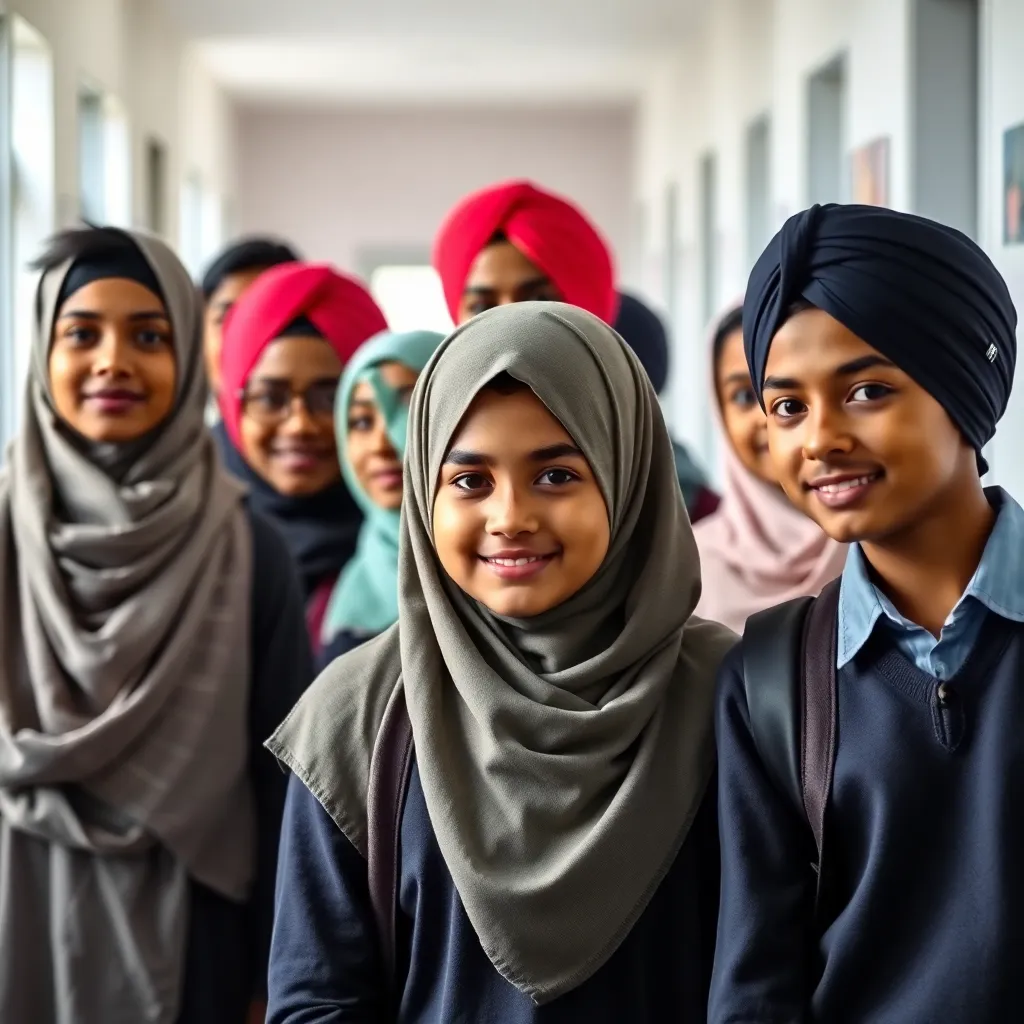
On May 13, 2026, Karnataka government officially revoked the controversial February 5, 2022, order banning the hijab in educational institutions. The new order permits students in government, aided, and private schools, as well as pre-university colleges, to wear limited traditional and faith-based symbols such as hijab, turban, Janeu (sacred thread), Shivadhara, and Rudraksha alongside the prescribed uniforms. These symbols must not affect discipline, safety, identification, or the functioning of educational institutions. The withdrawal followed prolonged protests, legal challenges, and a split verdict from the Supreme Court on the earlier ban, reflecting a significant shift in Karnataka’s uniform policy.
On this page
Key Facts
- The Karnataka government withdrew its hijab ban order issued on February 5, 2022, on May 13, 2026.
- The new order applies to all government schools, aided institutions, private educational institutions, and pre-university colleges across Karnataka, covering classes 1 to 12.
- Permitted religious symbols include hijab (worn by Muslim women), turban (Sikh identity), Janeu or sacred thread (Hindu tradition), Shivadhara (a similar Hindu religious mark), and Rudraksha (Hindu devotional beads).
- Symbols are allowed only when they do not affect discipline, safety, identification, or functioning of educational institutions and should complement the prescribed uniform.
- The order was issued under the Karnataka Education Act, 1983, and announced by Karnataka School Education and Literacy Minister Madhu Bangarappa in Bengaluru.
Background & Context
The original ban from 2022, introduced by the BJP-led Karnataka government, prohibited students from wearing the hijab in educational institutions, which sparked widespread protests and legal challenges. The Karnataka High Court upheld the ban, ruling that wearing a hijab is not an essential religious practice of Islam and schools have the authority to prescribe uniforms. The issue escalated nationally, leading to a split verdict by the Supreme Court in October 2022. The controversy began with Muslim students being refused classroom entry for wearing hijabs and fueled wider communal tensions, including protests by Hindu students wearing saffron shawls.
Following the 2023 state assembly polls, the Congress-led government under Chief Minister Siddaramaiah took a position opposing the ban. The decision to revoke the ban in May 2026 reflects a policy shift emphasizing religious freedom, secularism, and non-discrimination in educational institutions.
Why This Matters for Exams / Exam Relevance
This case exemplifies the intersection of constitutional rights, education policy, secularism, and minority rights in India, topics frequently covered in competitive exams. It involves key constitutional principles such as freedom of religion, the right to education, and the state's authority to regulate school dress codes. The timeline of key dates (February 5, 2022 order; May 13, 2026 withdrawal), the role of Karnataka's education department, the courts, and political actors like Madhu Bangarappa and Siddaramaiah are relevant factual points. The complex legal outcome — including the Karnataka High Court judgment and the Supreme Court's split verdict — also highlights the challenge of balancing uniformity and religious expression in schools.
Points to Remember
- The 2022 ban was imposed under the Karnataka Education Act, 1983, and restricted wearing of hijabs in schools.
- The Karnataka High Court upheld the 2022 ban stating hijab is not an essential Islamic religious practice.
- The Supreme Court issued a split verdict in October 2022, with no definitive ruling relaxing or upholding the ban fully.
- Consequent political and societal debates involved communal tensions and protests around the dress code issue.
- The 2026 order explicitly permits wearing limited traditional and religious symbols including hijab, turban, Janeu, Shivadhara, and Rudraksha along with school uniforms.
- Such symbols are allowed only if they do not disrupt discipline, safety, or school functioning and complement the uniform.
- The policy applies uniformly to government, aided, private schools, and pre-university colleges across Karnataka.
- Madhu Bangarappa, the Education Minister as of 2026, announced the withdrawal of the ban and implementation of the new policy.
Sources & Further Reading
| Document / Website | Link |
|---|---|
| Karnataka lifts hijab ban, allows traditional symbols in schools- The Week | Open Karnataka lifts hijab ban, allows traditional symbols in schools- The Week ↗www.theweek.in |
| Karnataka rolls back hijab ban, withdraws controversial 2022 uniform order - New Indian Express | Open Karnataka rolls back hijab ban, withdraws controversial 2022 uniform order - New Indian Express ↗www.newindianexpress.com |
| Karnataka’s Hijab Ban, Court Battle And A Fresh U-Turn - Times Now News | Open Karnataka’s Hijab Ban, Court Battle And A Fresh U-Turn - Times Now News ↗www.timesnownews.com |
| 2022 Karnataka hijab row - Wikipedia | Open 2022 Karnataka hijab row - Wikipedia ↗en.wikipedia.org |
| Limited traditional and religious symbols to be allowed with prescribed uniforms in Karnataka schools and colleges - The Hindu | Open Limited traditional and religious symbols to be allowed with prescribed uniforms in Karnataka schools and colleges - The Hindu ↗www.thehindu.com |