
NASA's Three-Phase Plan for a Permanent Moon Base Near Lunar South Pole
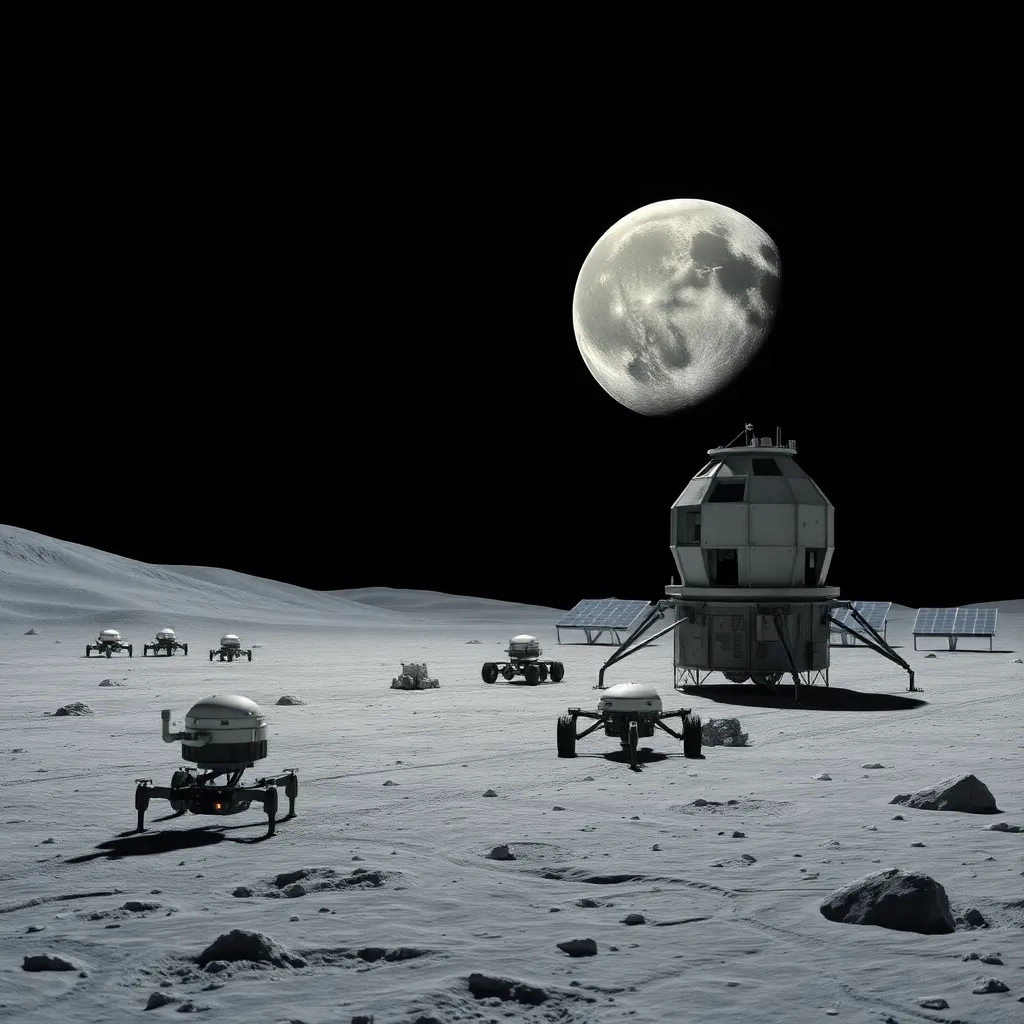
NASA announced a $20 billion, three-phase plan starting in 2026 to establish a permanent Moon base near the lunar South Pole as part of its Artemis program. The plan includes robotic missions (2026-2029) focused on cargo delivery and technology testing; building early semi-habitable infrastructure with power and communication systems (2029-2032); and establishing a permanent, long-duration human presence (until 2036). Blue Origin’s Blue Moon lander and Commercial Lunar Payload Services (CLPS) providers play critical roles. The lunar South Pole offers strategic advantages like water ice deposits and continuous solar power. Continuous presence aims to support scientific exploration, lunar economy, and future Mars missions.
On this page
Key Facts
- NASA announced the Moon base plan on 24 March 2026 and reaffirmed it on 27 May 2026.
- The plan involves an estimated investment of $20 billion over seven years specifically for the Moon base component.
- The plan is part of the broader Artemis program, designed for sustained human presence on the Moon and enabling future Mars missions.
- The Moon base will be located near the lunar South Pole, which contains permanently shadowed regions with potential water ice deposits and receives near-continuous sunlight, favorable for solar power.
- The development is structured in three phases:
- Phase One (2026 to 2029): Focus on robotic missions, cargo deliveries, and lunar surface technology testing. Up to 25 missions planned with 21 lunar landings in this phase, including Commercial Lunar Payload Services (CLPS) deliveries and Lunar Terrain Vehicle development. Moon Base-I is planned no earlier than autumn 2026 using Blue Origin’s Blue Moon Mark 1 Endurance lander, deploying equipment to the Shackleton Connecting Ridge for risk reduction before crewed Artemis landings.
- Phase Two (2029 to 2032): Development of early semi-habitable infrastructure such as power generation grids, surface communication systems, and mobility systems. This phase supports recurring astronaut operations lasting weeks or months.
- Phase Three (2029 to 2036): Establishment of a permanent Moon base enabling long-duration human missions with a goal of continuous human presence and crewed landings every six months.
- Commercial Lunar Payload Services (CLPS) is NASA’s initiative to contract private companies for lunar delivery services, with companies like Blue Origin and Astrobotic involved in lander and mobility vehicle development.
- The broader Artemis program has an estimated cost of approximately $93 billion over 2012 to 2025, encompassing hardware, missions, and infrastructure beyond the Moon base alone.
Background & Context
The Artemis program is NASA’s flagship effort to return humans to the Moon and establish a sustainable human presence there, which will serve as a stepping stone for future crewed missions to Mars. The lunar South Pole was selected for its unique environmental conditions, including permanently shadowed craters that may harbor water ice—vital for life support and fuel—and regions with near-continuous sunlight, which enable stable solar power generation. The phased approach to building the Moon base—starting with robotic missions and technology demonstrations, progressing to semi-permanent infrastructure, then achieving sustained human presence—aims to incrementally mitigate risks, validate technologies, and build operational capability. Partnerships with commercial companies and international agencies play crucial roles in technology development, payload delivery, and exploration vehicles.
Why This Matters for Exams / Exam Relevance
This contemporary Moon base initiative exemplifies NASA’s strategic planning, technological innovation, and international collaboration in human space exploration. It highlights the shift from short-term missions to sustained lunar habitation and the integration of commercial partners in space exploration. Exams may test knowledge of Artemis program goals and timelines, lunar geography and resources, the significance of strategic site selection at the South Pole, phases of lunar base development, commercial procurement strategies like CLPS, and budgetary scope. Understanding these aspects is important for space science, current affairs, and technology focus areas.
Points to Remember
- Moon base plan announced in March and reaffirmed in May 2026 as part of NASA’s Artemis program.
- Three phases: robotic missions and tech testing (2026-2029), semi-habitable infrastructure (2029-2032), permanent base with continuous human presence through 2036.
- Blue Origin's Blue Moon Mark 1 lander featured for initial cargo delivery missions (Moon Base-I).
- The lunar South Pole location offers access to water ice and stable solar power, critical for sustained habitation.
- Commercial partners including CLPS providers and companies like Astrobotic play vital roles in payload delivery and vehicle development.
- Goal includes crewed lunar landings every six months after phase three.
- The Moon base plan's estimated direct cost is $20 billion over seven years; the broader Artemis program costs approximately $93 billion between 2012 and 2025.
Sources & Further Reading
| Document / Website | Link |
|---|---|
| NASA Unveils Three-Phase Moon Base Plan | Open NASA Unveils Three-Phase Moon Base Plan ↗www.gktoday.in |
| Moon Base - NASA | Open Moon Base - NASA ↗www.nasa.gov |
| Commercial Lunar Payload Services - NASA | Open Commercial Lunar Payload Services - NASA ↗www.nasa.gov |