
Oman Promotes Sohar Port as India’s Gulf Energy and Trade Route
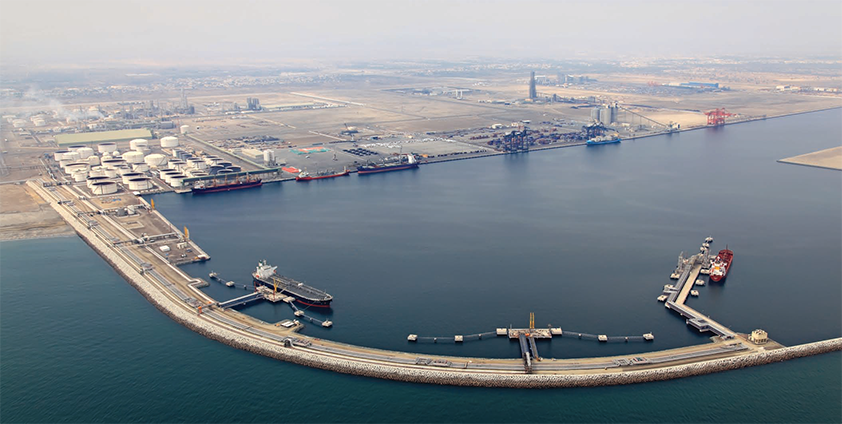
On 16 September 2026, Oman promoted Sohar Port in New Delhi as a strategic gateway for India's energy imports and trade flows from the Gulf region. Sohar Port is located on the Gulf of Oman coast, outside the Strait of Hormuz, reducing geopolitical risks associated with this vital oil transit chokepoint. The port, with an annual cargo handling capacity of 72 million tonnes and over $30 billion in investments, is linked to energy infrastructure in the UAE and eastern Saudi Arabia. The India-Oman Comprehensive Economic Partnership Agreement (CEPA), effective from 1 June 2026, further strengthens bilateral trade and provides a framework to enhance connectivity via Oman’s ports for India’s energy security and trade diversification.
On this page
Key Facts
- Sohar Port is a deep-water port located on the northern coast of Oman on the Gulf of Oman, outside the Strait of Hormuz, a major global oil transit chokepoint.
- The port has a cargo-handling capacity of approximately 72 million tonnes annually.
- It has attracted investments exceeding US$30 billion, reflecting significant industrial and logistic development.
- Sohar Port is strategically connected to the energy infrastructure of the United Arab Emirates and eastern Saudi Arabia, enhancing its role in regional energy supply chains.
- The India-Oman Comprehensive Economic Partnership Agreement (CEPA) came into force on 1 June 2026, covering trade in goods and services, investment, and customs facilitation, aiming to deepen bilateral economic integration.
- India depends on the Strait of Hormuz for about 30% of its crude oil imports and approximately 90% of its liquefied petroleum gas imports, making alternative routes like Sohar strategically important.
Background & Context
The Strait of Hormuz is a narrow maritime chokepoint between Oman and Iran, connecting the Persian Gulf with the Gulf of Oman and Arabian Sea. It is one of the world’s most important oil transit routes, but also a region prone to geopolitical tensions and risks. India’s reliance on energy imports passing through the Strait highlights a vulnerability in its energy security.
Sohar Port's location outside the Strait offers India a secure alternative route for its energy imports and maritime trade. The port also includes the Sohar Freezone, which supports manufacturing, logistics, and export-oriented investment, attracting Indian businesses seeking growth opportunities.
Oman’s promotion of Sohar Port in New Delhi, supported by a two-day investment roadshow, is aimed at strengthening economic ties under the India-Oman CEPA framework and enhancing connectivity between the two countries. The upcoming Oman-UAE rail link will further integrate Sohar Port into the broader Gulf Cooperation Council logistics network.
Why This Matters for Exams
This case study exemplifies how geopolitical considerations shape India's energy security and trade strategies. Understanding the significance of strategic maritime chokepoints like the Strait of Hormuz, and the role of alternative ports like Sohar, is crucial for examination topics related to international relations, geography, and economics. The India-Oman CEPA is a key example of trade diplomacy and regional economic integration, relevant for current affairs and international trade syllabus sections.
Points to Remember
- The Strait of Hormuz is a critical but vulnerable chokepoint for global oil transit, accounting for a sizable share of India’s energy imports.
- Sohar Port is strategically located outside the Strait on the Gulf of Oman, offering a safer and reliable energy route for India.
- The port has significant industrial infrastructure backed by large-scale investments and links to Gulf energy infrastructure.
- The India-Oman CEPA enhances bilateral trade, investment, and customs cooperation, supporting economic partnership beyond traditional goods trade.
- Oman’s promotion of Sohar aligns with India’s strategy to diversify its energy supply routes and strengthen regional connectivity.
- Future infrastructure projects like the Oman-UAE rail link will increase Sohar’s importance as a logistics hub.
Practice MCQs
Question 1
- Where is Sohar Port located?
- Inside the Persian Gulf
- On the Gulf of Oman, outside the Strait of Hormuz
- On the Arabian Sea coast of India
- Near Muscat city in Oman
Answer: On the Gulf of Oman, outside the Strait of Hormuz
Question 2
- When did the India-Oman Comprehensive Economic Partnership Agreement (CEPA) come into force?
- 1 June 2026
- 16 September 2026
- 1 January 2025
- 15 August 2026
Answer: 1 June 2026
Question 3
- Approximately what percentage of India’s crude oil imports pass through the Strait of Hormuz?
- 10%
- 50%
- 30%
- 70%
Answer: 30%
Sources & Further Reading
| Document / Website | Link |
|---|---|
| Oman Promotes Sohar Port as India’s Gulf Energy Route – GKToday | Open Oman Promotes Sohar Port as India’s Gulf Energy Route – GKToday ↗www.gktoday.in |
| SOHAR Port and Freezone Positions Oman as Gateway for Indian ... | Open SOHAR Port and Freezone Positions Oman as Gateway for Indian ... ↗thecsrjournal.in |
| Sohar Port Oman | Strategic Gateway for Global Trade | Open Sohar Port Oman | Strategic Gateway for Global Trade ↗www.freightamigo.com |
| India–Oman CEPA | Open India–Oman CEPA ↗static.pib.gov.in |