
Parichha Weir in Jhansi Gets ICID World Heritage Irrigation Structure Recognition
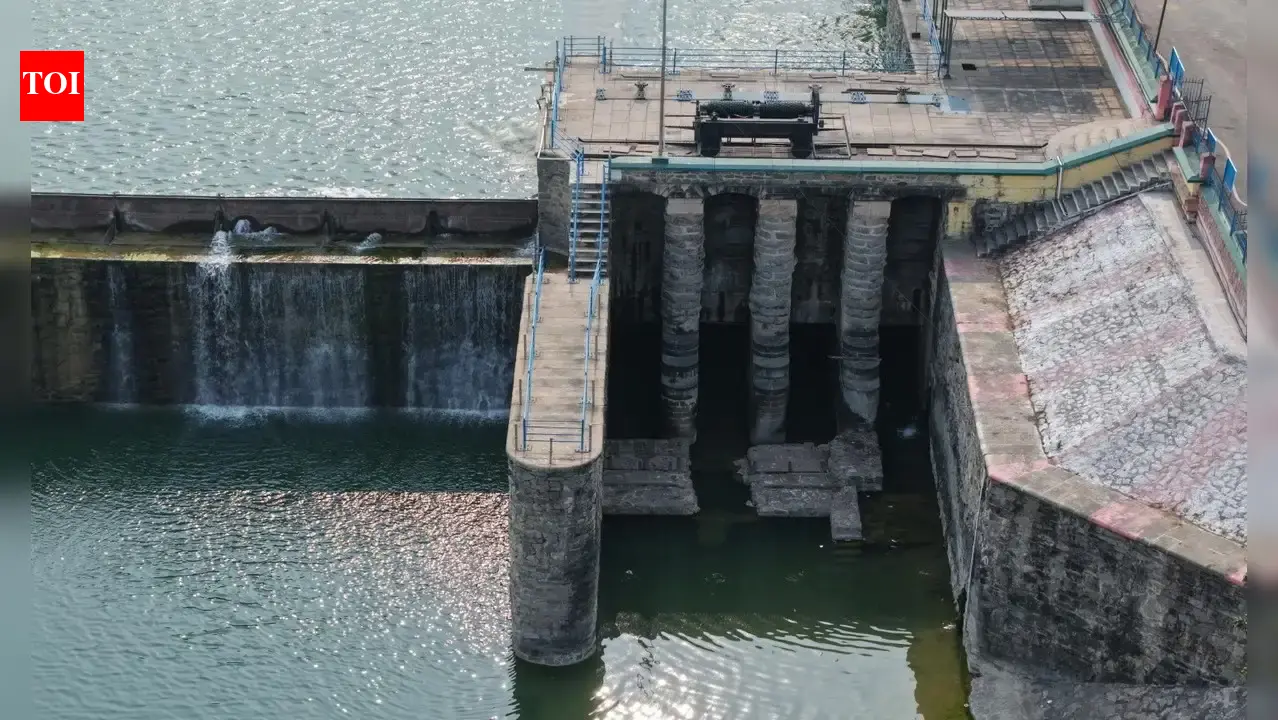
The 140-year-old Parichha Weir, located on the Betwa River in Jhansi, Uttar Pradesh, was designated as a World Heritage Irrigation Structure (WHIS) by the International Commission on Irrigation and Drainage (ICID) on 13 August 2026. It forms an integral part of the historic Betwa Canal system, irrigating over 4.28 lakh hectares across Uttar Pradesh and Madhya Pradesh. The weir was commissioned in 1886 and symbolizes engineering, cultural, and operational heritage in Indian irrigation history.
On this page
Key Facts
- Date of ICID Recognition: 13 August 2026
- Location: Jhansi, Uttar Pradesh on Betwa River
- Weir Length: 1,174 metres
- Height: 16.8 metres above riverbed
- Number of Steel Falling Shutters: 318
- Reservoir Capacity: 2,400 million cubic feet
- Associated Canal System: Betwa Canal system spanning about 2,654 km
- Irrigated Area: Approximately 428,360 hectares across districts in Uttar Pradesh and Madhya Pradesh
- Construction Period: Construction began in 1881 and commissioning in 1886
- Construction Cost: ₹40 lakh (historical)
- ICID: International Commission on Irrigation and Drainage, founded in 1950
- Prior ICID Heritage Recognition in Jhansi: Sukwa-Dukwan Weir (2022)
- Formal Award Presentation Scheduled: October 2026 at the 26th ICID International Congress, France
Background & Context
The Parichha Weir is a historic rubble-stone masonry barrage constructed on the Betwa River in the Jhansi region to support irrigation in drought-prone areas of Bundelkhand. The weir forms a key part of the extensive Betwa Canal system. The canal project was initially proposed by Captain Strachey in 1855, with construction commencing in 1881 and completion by 1886. The irrigated area covers districts in Uttar Pradesh and Madhya Pradesh. The weir’s design includes 318 steel falling shutters and a substantial reservoir capacity, remaining operational after more than a century. The International Commission on Irrigation and Drainage (ICID) recognizes such historical irrigation structures for their engineering, cultural, and operational importance through the World Heritage Irrigation Structure (WHIS) designation.
Why This Matters for Exams
The Parichha Weir represents a significant example of British-era irrigation infrastructure that continues to impact agriculture in two key Indian states. Its link to the Betwa Canal system, its construction timeline, engineering details, and recent ICID recognition are commonly tested in geography, environment, and current affairs sections of competitive exams. Knowing the role of ICID, the significance of WHIS status, and related regional irrigation efforts like the Sukwa-Dukwan Weir enhances understanding of water management and sustainable agricultural practices.
Points to Remember
- Parichha Weir is on the Betwa River, located in Jhansi district, Uttar Pradesh.
- It was constructed during 1881-1886, costing ₹40 lakh at that time.
- The weir is 1,174 metres long and 16.8 metres high with 318 steel falling shutters.
- It irrigates about 428,360 hectares via the Betwa Canal system, which extends over 2,654 km into Uttar Pradesh and Madhya Pradesh.
- ICID officially recognized Parichha Weir as a World Heritage Irrigation Structure on 13 August 2026.
- The formal award presentation was scheduled for October 2026 during the 26th ICID International Congress in France.
- The Sukwa-Dukwan Weir in the same region received WHIS status earlier in 2022.
- ICID, established in 1950, promotes scientific exchange around irrigation and flood management globally.
- WHIS status is awarded to irrigation structures older than 100 years with engineering and cultural significance.
Sources & Further Reading
| Document / Website | Link |
|---|---|
| Uttar Pradesh: Parichha Weir gets ICID Heritage Recognition | Open Uttar Pradesh: Parichha Weir gets ICID Heritage Recognition ↗www.gktoday.in |
| Betwa Canal System - Irrigation Department, Uttar Pradesh | Open Betwa Canal System - Irrigation Department, Uttar Pradesh ↗www.idup.gov.in |
| International Commission on Irrigation & Drainage (ICID) | Open International Commission on Irrigation & Drainage (ICID) ↗icid-ciid.org |