
PM Vishwakarma Scheme Artisans in Kodagu Trained in AI and E-commerce
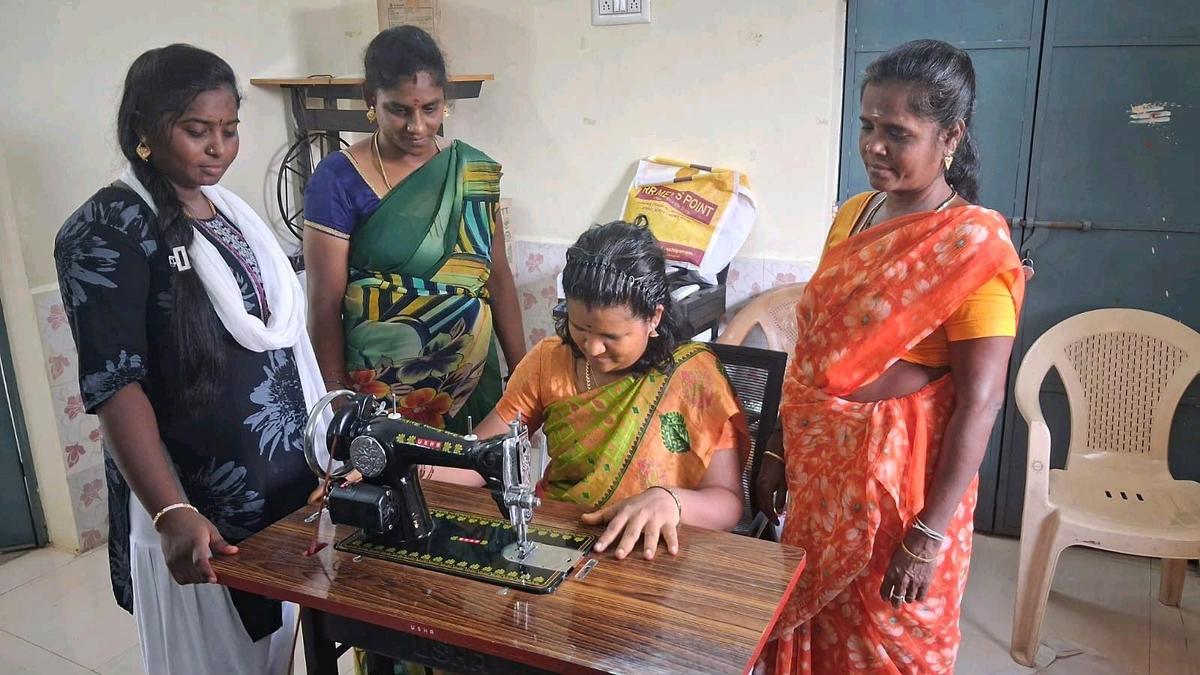
On 10 August 2026, a one-day branding and marketing awareness programme was held in Kushalnagar, Kodagu district, targeting 150 tailors registered under the PM Vishwakarma scheme. The training focused on Artificial Intelligence (AI) tools, digital marketing, e-commerce onboarding, QR code generation, and registration on the Udyam Portal. Organised by the Branch MSME Development and Facilitation Office, Mangaluru, in collaboration with local tailor associations, the initiative aimed to empower traditional artisans with modern technology to enhance business reach and financial inclusion.
On this page
Key Facts
- Date and Location: 10 August 2026, Kushalnagar, Kodagu district, Karnataka.
- Participants: About 150 tailor beneficiaries registered under the PM Vishwakarma scheme.
- Training Covered: Artificial Intelligence tools for marketing, digital marketing techniques, e-commerce platform onboarding, QR code generation for digital payments, and registration procedures on the Udyam Portal.
- Organisers: Branch MSME Development and Facilitation Office, Mangaluru, in association with Kushalnagar Taluk Tailors’ Association and Kodagu District Tailors Association.
- Key Officials: Sundar Sherigar (Assistant Director and Head of Office, MSME-DFO Mangaluru), Hanumatharaya (Joint Director, District Industries Centre, Madikeri), and Suman S. Raju (Assistant Director and Programme Coordinator).
- PM Vishwakarma Scheme: A Central Sector scheme by the Ministry of Micro, Small and Medium Enterprises covering 18 traditional artisan trades including tailors, carpenters, blacksmiths, goldsmiths, potters, sculptors, and basket makers.
Background & Context
The PM Vishwakarma scheme is a government initiative to recognise, formalise, and support traditional artisans across India through skill development, toolkits provision, collateral-free loans, digital payments promotion, and market linkages including e-commerce. The scheme covers 18 family-based traditional trades aimed to empower those in the unorganised sector.
The one-day programme in Kushalnagar is part of a broader effort to integrate these artisans into the digital economy, enabling them to use technology such as AI in digital marketing, leverage e-commerce platforms to expand business, and adopt digital payment methods aligned with initiatives like the Unified Payments Interface (UPI).
Why This Matters for Exams / Exam Relevance
The PM Vishwakarma scheme is a significant government scheme aimed at empowering traditional artisans and micro-enterprises in India, implemented by the Ministry of MSME. Understanding its features, beneficiary trades, associated portals like the Udyam Portal, and recent outreach activities such as the Kushalnagar event is essential for competitive examination syllabi covering government schemes, socio-economic development, and digital empowerment initiatives.
Specific focus on integration of modern technology (AI, digital marketing, e-commerce) in the traditional artisan context highlights government attempts at formalisation and digitisation of informal sectors, a recurring theme in exams.
Points to Remember
- PM Vishwakarma Scheme covers 18 traditional artisan trades and is administered by the Ministry of MSME.
- The Kushalnagar training on 10 August 2026 focused on AI tools, digital marketing, e-commerce platform onboarding, QR code use in payments, and the Udyam Portal registration process.
- Udyam Portal is the official Government of India online registration system for micro, small and medium enterprises (MSMEs).
- The Prime Minister’s Employment Generation Programme (PMEGP) is a related Central Sector scheme aimed at generating employment through micro enterprises.
- The programme was conducted in association with local tailor associations to reach grassroots beneficiaries effectively.
- Digital payments via QR codes are part of India’s digital commerce ecosystem facilitated through UPI and other interoperable payment systems.
Sources & Further Reading
| Document / Website | Link |
|---|---|
| PM Vishwakarma artisans trained in AI and e-commerce in Kodagu | Open PM Vishwakarma artisans trained in AI and e-commerce in Kodagu ↗www.gktoday.in |
| PM Vishwakarma Yojana - Full Scheme Details | Open PM Vishwakarma Yojana - Full Scheme Details ↗www.etnownews.com |
| Prime Minister’s Employment Generation Programme (PMEGP) | Open Prime Minister’s Employment Generation Programme (PMEGP) ↗pib.gov.in |