
Rajasthan's Promotion of Breast Milk Donation through Yashoda Mothers Programme
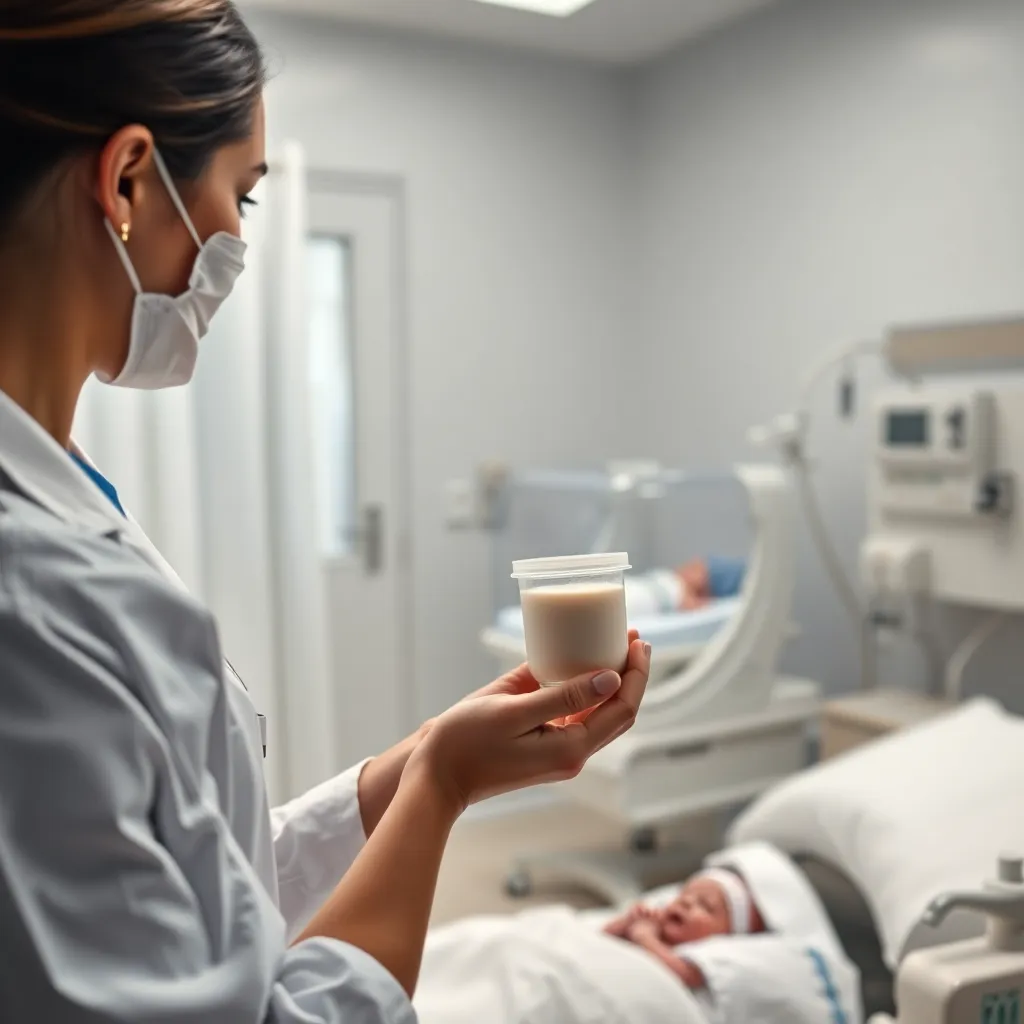
Rajasthan has established a network of human milk banks including the Mother Milk Bank at Barmer District Hospital and the Jeevan Dhara milk bank in Jaipur to support newborns deprived of maternal breast milk. The Yashoda programme, under the Norway-India Partnership Initiative since 2008, promotes breast milk donation and neonatal care through counseling and exclusive breastfeeding support. The Barmer bank, started on 4 March 2018, has collected nearly 30,000 units of milk and supported over 3,165 newborns, with safe processing including HIV screening and storage at minus 19°C for up to six months. This initiative aims to reduce infant mortality and enhance neonatal health in Rajasthan.
On this page
Key Facts
- The Mother Milk Bank at Barmer District Hospital began operations on 4 March 2018.
- As of 11 May 2026, the Barmer bank had collected 29,882 units of breast milk, supporting 3,165 newborn babies.
- Milk is stored at minus 19 degrees Celsius and can be preserved for up to six months; all donated milk undergoes HIV and infection screening before processing.
- The Barmer bank had 3,523 women registered as Yashoda Mothers by 11 May 2026.
- Jeevan Dhara, Rajasthan's first state-run human milk bank, was inaugurated on 27 March 2015 at Mahila Chikitsalaya, Jaipur, in collaboration with the Norwegian government and JK Lon Hospital.
- The Yashoda programme was launched in 2008 under the Norway-India Partnership Initiative as a pilot to improve maternal and neonatal care through trained birth companions and promotion of breastfeeding.
- In Bhilwara, donor Raksha Jain contributed 160.81 liters of milk between June 2018 and November 2023 to the Aanchal Mother Milk Bank, supporting over 5,000 infant feeds.
Background & Context
Human milk banks in Rajasthan, including those at Barmer, Jaipur, and Bhilwara, collect, screen, process, store, and distribute donated breast milk for newborns who cannot be breastfed by their mothers. These banks are integrated with lactation support and infection screening systems to ensure safety. The Yashoda programme, initiated under the Norway-India Partnership Initiative, deploys trained aides (Yashoda Mothers) in district hospitals to improve maternal and neonatal care practices through support, counseling, and promotion of exclusive breastfeeding.
Why This Matters for Exams / Exam Relevance
This programme exemplifies an effective collaborative public health intervention involving international partnership to improve neonatal care and reduce infant mortality in India. Key exam-relevant details include the program launch date (2008), the operational start of the Barmer milk bank (2018), the role of Yashoda Mothers, and technical standards like milk storage temperature and safety protocols. It highlights Rajasthan’s leadership in community human milk banking and innovation in maternal and child health services.
Points to Remember
- The Yashoda programme began in 2008 under the Norway-India Partnership Initiative to enhance maternal and neonatal care.
- Jeevan Dhara was Rajasthan’s first state-run human milk bank, inaugurated in 2015 at Jaipur.
- The Barmer Mother Milk Bank started operating on 4 March 2018 and has collected nearly 30,000 units of milk supporting thousands of newborns.
- All donated milk is rigorously screened for HIV and infections and stored at minus 19°C for up to six months.
- Community engagement through Yashoda Mothers is vital for donor recruitment and neonatal support.
Sources & Further Reading
| Document / Website | Link |
|---|---|
| Rajasthan promotes breast milk donation through Yashoda Mothers | Open Rajasthan promotes breast milk donation through Yashoda Mothers ↗www.gktoday.in |
| Fostering Maternal and Newborn Care in India the Yashoda Way | Open Fostering Maternal and Newborn Care in India the Yashoda Way ↗pmc.ncbi.nlm.nih.gov |
| Challenges in Implementation of Mother Milk Banks in Rajasthan | Open Challenges in Implementation of Mother Milk Banks in Rajasthan ↗pmc.ncbi.nlm.nih.gov |