Rashtriya Bal Swasthya Karyakram (RBSK) 2.0 Guidelines Released in 2026
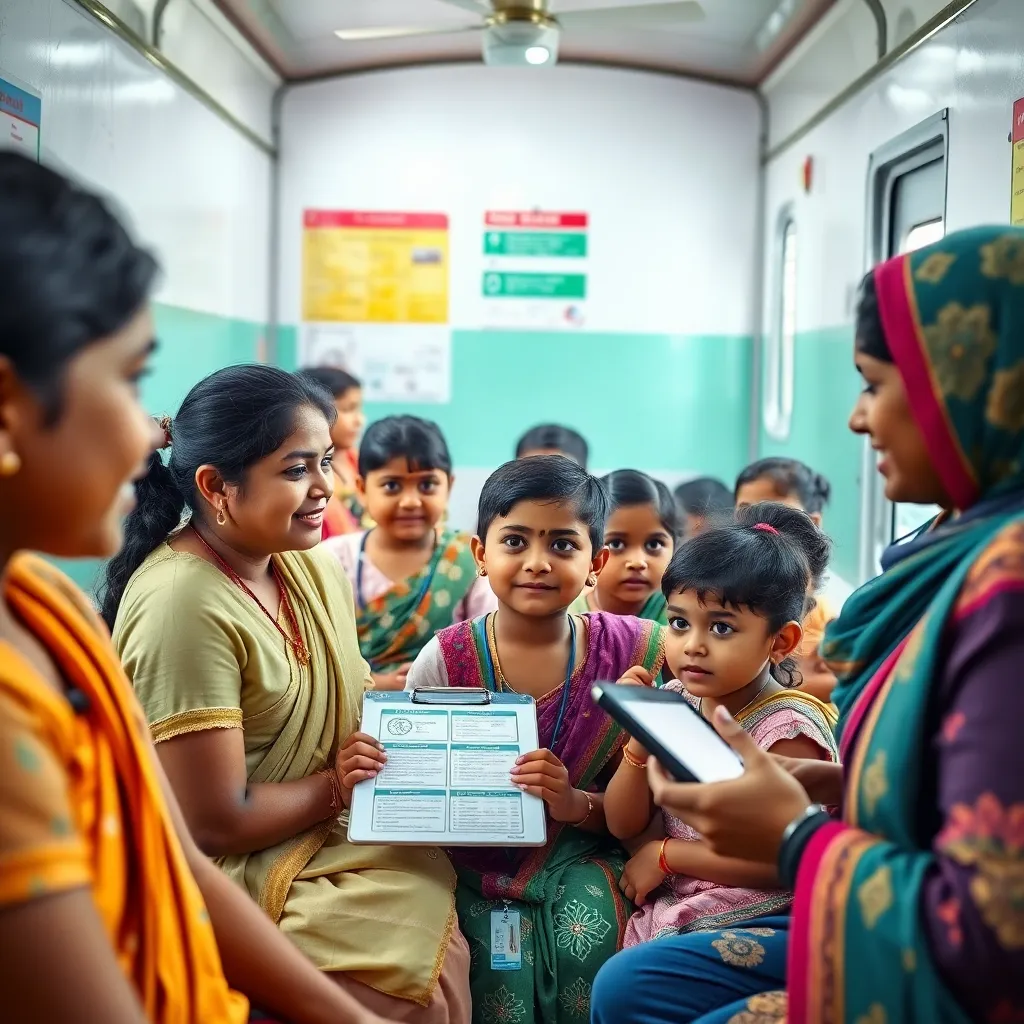
On 3 May 2026, the Union Health Ministry unveiled revised guidelines for the Rashtriya Bal Swasthya Karyakram (RBSK 2.0). Originally launched in 2013 under the National Health Mission, the programme provides comprehensive health screening and early intervention services to children from birth to 18 years. The updated 2.0 edition expands the focus beyond the original '4Ds'—defects at birth, diseases, deficiencies, developmental delays—to include mental health conditions and risk factors for non-communicable diseases such as diabetes and hypertension. Universal screening continues via mobile health teams at Anganwadi centres and schools, supported by district early intervention centres for free treatment and follow-up. Digital health cards and real-time data integration have been introduced to enhance child health monitoring and continuity of care. Over 160 crore children have been screened since the programme's inception.
On this page
Key Facts
- RBSK was launched in 2013 under the National Health Mission (NHM).
- The programme covers children from birth up to 18 years of age for health screening and early intervention.
- Originally focused on the “4Ds”: Defects at birth, Diseases, Deficiencies, and Developmental delays.
- RBSK 2.0 guidelines were released on 3 May 2026 in New Delhi by the Union Health Ministry.
- The revised guidelines incorporate screening for mental health conditions, behavioural issues, and risk factors for non-communicable diseases (NCDs) such as diabetes, hypertension, and obesity.
- Screening is conducted at Anganwadi centres for children aged 0-6 years and in schools for older children by Mobile Health Teams operating at the block level.
- District Early Intervention Centres (DEICs), numbering 451, provide free treatment, therapeutic management, and follow-up care for children with identified conditions.
- The programme is implemented in convergence with the Ministry of Women and Child Development and Ministry of Education.
- Digital health cards and a real-time data system have been introduced for integrated tracking and management of children's health across screening, referral, treatment, and follow-up stages.
- Since inception till FY 2023-24, approximately 160.82 crore children have been screened, with over 5.63 crore receiving secondary or tertiary care treatment.
Background & Context
The Rashtriya Bal Swasthya Karyakram was established as a comprehensive child health screening and early intervention programme to improve child survival and health outcomes. It initially targeted 30 selected health conditions across four categories (the 4Ds). The programme leverages community health infrastructure, including Accredited Social Health Activists (ASHAs), Anganwadi workers, and school teachers, to reach children nationwide. Over time, recognizing the rising burden of mental health issues and lifestyle-related non-communicable diseases among children, the government revised the guidelines to form RBSK 2.0, expanding the programme's scope and integrating digital health tools for improved monitoring and management.
District Early Intervention Centres at the district level offer multidisciplinary care, linking diagnosed children with secondary and tertiary care facilities, including empanelled private hospitals, without cost to families, thereby reducing out-of-pocket expenditure.
Why This Matters for Exams / Exam Relevance
RBSK is a flagship child health initiative under India's National Health Mission and a crucial topic in competitive state and national examinations related to health, social welfare, and general studies. Key points for examination focus include its launch year (2013), target demographic (children 0-18 years), original and revised programme scope (the 4Ds and addition of mental health & NCD risk factors), operational mechanism (mobile health teams, Anganwadi & school screening, district intervention centres), and recent digital innovations like health cards and data integration.
Understanding this programme aids in grasping government strategies for early disease detection, prevention, child welfare, and integration of multidisciplinary care approaches.
Points to Remember
- RBSK was launched in 2013 under the National Health Mission.
- The programme serves children from birth to 18 years.
- The initial focus was on the “4Ds”: Defects at birth, Diseases, Deficiencies, and Developmental delays.
- On 3 May 2026, the Union Health Ministry released RBSK 2.0 guidelines, expanding to include mental health and non-communicable diseases like diabetes and hypertension.
- Screenings are conducted via Mobile Health Teams at Anganwadi centres (0-6 yrs) and schools (7-18 yrs).
- 451 District Early Intervention Centres provide free treatment and therapeutic care.
- Digital health cards and real-time data systems improve care continuity and monitoring.
- Over 160 crore children have been screened since the programme's inception.
Sources & Further Reading
| Document / Website | Link |
|---|---|
| Rashtriya Bal Swasthya Karyakram on National Health Mission portal | Open Rashtriya Bal Swasthya Karyakram on National Health Mission portal ↗nhm.gov.in |
| Centre revamps Rashtriya Bal Swasthya Karyakram, adds mental health, NCD screening - The Hindu | Open Centre revamps Rashtriya Bal Swasthya Karyakram, adds mental health, NCD screening - The Hindu ↗www.thehindu.com |
| Rashtriya Bal Swasthya Karyakram Revamped for Lifestyle Diseases - GKToday | Open Rashtriya Bal Swasthya Karyakram Revamped for Lifestyle Diseases - GKToday ↗www.gktoday.in |