SAIL Bhilai Steel Plant Launches Digital CO₂ Dashboard for Emissions Tracking
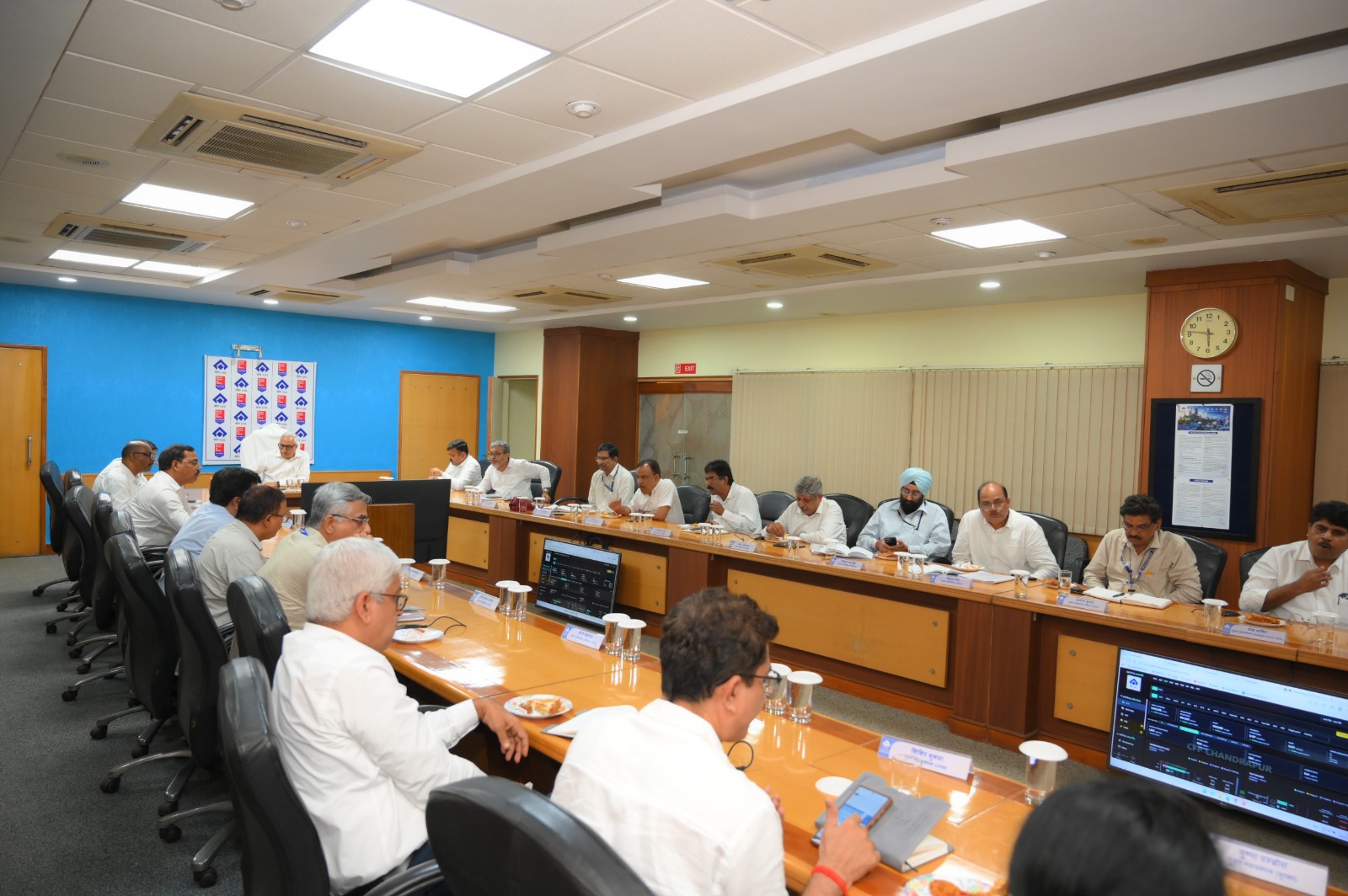
Steel Authority of India Limited (SAIL) launched a digital CO₂ Dashboard on 18 August 2026 at its Bhilai Steel Plant in Chhattisgarh. The dashboard enables real-time monitoring and analysis of carbon dioxide emissions at both plant-wide and shop-level scales. It employs international standards such as the World Steel Association methodology, the GHG Protocol, and the European Union’s Carbon Border Adjustment Mechanism framework. This initiative supports India’s Carbon Credit Trading Scheme under the Energy Conservation Act, 2001, aiming at emission-intensity targets and carbon credit generation within the steel sector.
On this page
Key Facts
- Launch date: 18 August 2026
- Location: Bhilai Steel Plant, Chhattisgarh
- Additional coverage: Chandrapur Ferro Alloy Plant, Maharashtra
- Purpose: Real-time tracking and analysis of CO₂ emissions
- Standards used: World Steel Association methodology, GHG Protocol, EU Carbon Border Adjustment Mechanism
- Alignment: India's Carbon Credit Trading Scheme under the Energy Conservation Act, 2001
- SAIL is a Maharatna public sector undertaking under the Ministry of Steel.
Background & Context
Steel Authority of India Limited (SAIL) is one of India's largest integrated steel producers operating multiple plants including Bhilai Steel Plant in Chhattisgarh and Chandrapur Ferro Alloy Plant in Maharashtra. Tracking and reducing greenhouse gas emissions is a growing priority in heavy industries worldwide to address climate change.
The digital CO₂ Dashboard launched provides a modern solution for monitoring carbon dioxide emissions in real-time, at both plant-wide and shop-level, enabling detailed emission analysis and anomaly detection. It incorporates globally recognized methodologies like the World Steel Association standards, the GHG Protocol, and also considers frameworks like the EU's Carbon Border Adjustment Mechanism, which imposes carbon costs on imports to address carbon leakage.
This initiative is aligned with India's Carbon Credit Trading Scheme (CCTS), introduced under an amendment to the Energy Conservation Act, 2001. The CCTS establishes a domestic carbon market to incentivize emission reductions and achieve India's commitments under the Paris Agreement.
Why This Matters for Exams / Exam Relevance
Understanding developments such as the launch of SAIL’s CO₂ Dashboard encompasses key themes of industrial sustainability, environmental governance, and climate change policy in India. Exam questions may cover how public sector undertakings incorporate global best practices, India’s carbon credit mechanisms, and the role of digital technologies in contemporary emissions management.
Points to Remember
- SAIL is a Maharatna PSU under the Ministry of Steel with multiple integrated steel plants.
- The CO₂ Dashboard was launched on 18 August 2026 at Bhilai Steel Plant and covers emissions data for both Bhilai and Chandrapur plants.
- The platform uses international methodologies: World Steel Association, GHG Protocol, and refers to the EU Carbon Border Adjustment Mechanism framework.
- Supports India’s domestic Carbon Credit Trading Scheme under the Energy Conservation Act, 2001, facilitating carbon credit generation through monitoring emission-intensity targets.
- Reflects India’s growing adoption of digital tools for sustainability and regulatory compliance in heavy industries.
- The EU Carbon Border Adjustment Mechanism is a carbon tariff policy on imports aimed at reducing carbon leakage internationally.
Sources & Further Reading
| Document / Website | Link |
|---|---|
| SAIL Bhilai Steel Plant Launches CO2 Dashboard | Open SAIL Bhilai Steel Plant Launches CO2 Dashboard ↗www.gktoday.in |
| Carbon Credit Trading Scheme - Drishti IAS | Open Carbon Credit Trading Scheme - Drishti IAS ↗www.drishtiias.com |
| Process-Level Emission Analysis in Indian Steel Industry - ScienceDirect | Open Process-Level Emission Analysis in Indian Steel Industry - ScienceDirect ↗www.sciencedirect.com |