
Technology Development Board Supports Commercialisation of GrivaVision AI-Powered Cervical Cancer Screening Device
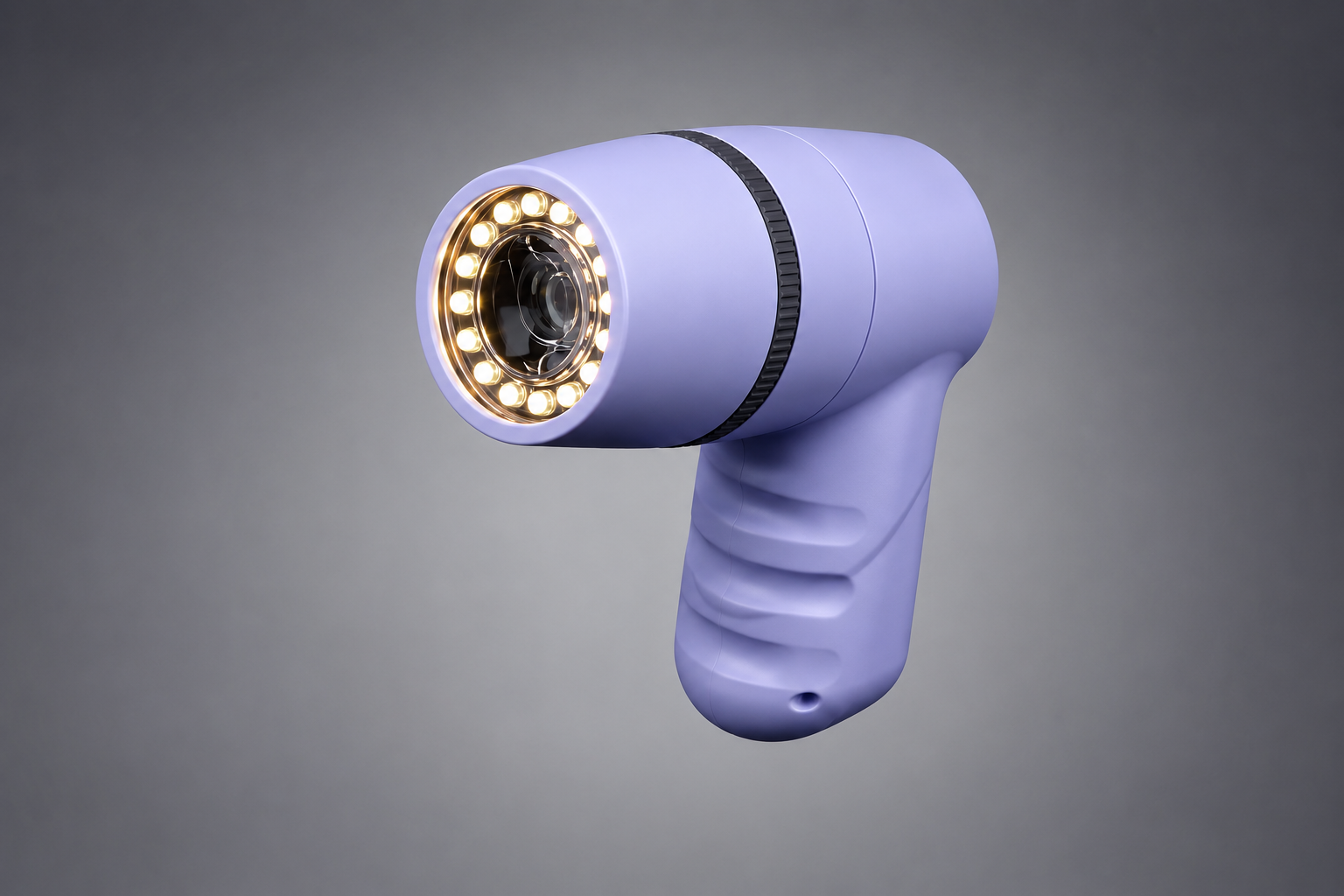
On 10 August 2026, the Technology Development Board (TDB) of India's Department of Science & Technology signed an agreement with Visakhapatnam-based Griva Healthcare Pvt. Ltd. to commercialise GrivaVision, an indigenous, AI-powered portable digital colposcope. The device assists gynaecologists in detecting pre-cancerous cervical lesions early during routine screenings. GrivaVision is a Class B non-invasive medical device developed to ISO 13485 quality standards and holds a manufacturing licence from CDSCO. The project emphasizes indigenous development, with over 50% components sourced domestically, aiming to strengthen India's medtech ecosystem and reduce dependency on imports by shifting production to Kollam, Kerala.
On this page
Key Facts
- Date of Agreement: 10 August 2026
- Parties: Technology Development Board (TDB), Department of Science & Technology (DST), Government of India, and Griva Healthcare Pvt. Ltd., Visakhapatnam
- Device: GrivaVision, an AI-powered portable digital colposcope for cervical cancer screening
- Function: Assists gynaecologists to identify pre-cancerous abnormalities in cervical lesions during routine check-ups
- Classification and Compliance: Class B non-invasive medical device, developed under ISO 13485 quality standards; holds a CDSCO Class B manufacturing licence
- Standards: Software compliant with Ayushman Bharat Digital Mission (ABDM); screening system aligns with WHO-approved Automated Visual Evaluation (AVE) standards
- Manufacturing Transition: From AIC-AMTZ Medivalley R&D facility in Visakhapatnam to commercial-scale manufacturing in Kollam, Kerala
- Indigenisation: Over 50% of components sourced within India
- Founders of Griva Healthcare: Nidun Jacob and Parvathi Radhakrishnan (founded in 2025)
- Secretary of TDB: Rajesh Kumar Pathak
Background & Context
Cervical cancer remains a major public health challenge, and early detection through screening can significantly improve patient outcomes. GrivaVision is developed as an indigenous, AI-assisted colposcope that integrates Indian-patented hardware, advanced optics, high-definition imaging, and AI software to support accurate diagnosis in a portable device suited for diverse clinical settings. The Technology Development Board facilitates the commercialization of promising indigenous technologies to scale up production and adoption. By supporting GrivaVision, TDB aims to strengthen India’s medtech manufacturing ecosystem, improve access to cervical cancer screening, and promote self-reliance in medical technologies.
Why This Matters for Exams / Exam Relevance
Understanding government initiatives like TDB’s role in promoting indigenous technologies under the DST is important for current affairs and science and technology sections of competitive exams. Knowledge of medical device classifications, regulatory frameworks such as CDSCO, ISO standards, and national digital health programs like ABDM adds to comprehension of India's healthcare innovation ecosystem. This case also exemplifies Make in India efforts through domestic component sourcing and manufacturing shifts, relevant in economics and governance perspectives.
Points to Remember
- GrivaVision is a Class B non-invasive AI-powered cervical cancer screening device developed under ISO 13485 standards with CDSCO manufacturing licence.
- The device uses AI-assisted software to identify pre-cancerous cervical lesions during routine gynecological check-ups.
- The Technology Development Board (TDB) signed a commercialization agreement with Griva Healthcare on 10 August 2026.
- Griva Healthcare was founded in 2025 by Nidun Jacob and Parvathi Radhakrishnan; headquartered in Visakhapatnam with R&D in AIC-AMTZ Medivalley.
- Manufacturing is moving to Kollam, Kerala to scale production capability.
- Over 50% of GrivaVision's components are sourced indigenously, supporting India's Make in India initiative.
- The device's software complies with Ayushman Bharat Digital Mission standards and WHO’s Automated Visual Evaluation guidelines.
- Rajesh Kumar Pathak is the Secretary of the Technology Development Board.
Sources & Further Reading
| Document / Website | Link |
|---|---|
| TDB supports AI cervical cancer screening technology | Open TDB supports AI cervical cancer screening technology ↗www.gktoday.in |
| TDB Backs GrivaVision to Boost India’s Indigenous Medtech Manufacturing in Cervical Cancer Screening | Open TDB Backs GrivaVision to Boost India’s Indigenous Medtech Manufacturing in Cervical Cancer Screening ↗www.indianweb2.com |