
16th Century Telugu Inscription Found in Tadipatri, Andhra Pradesh
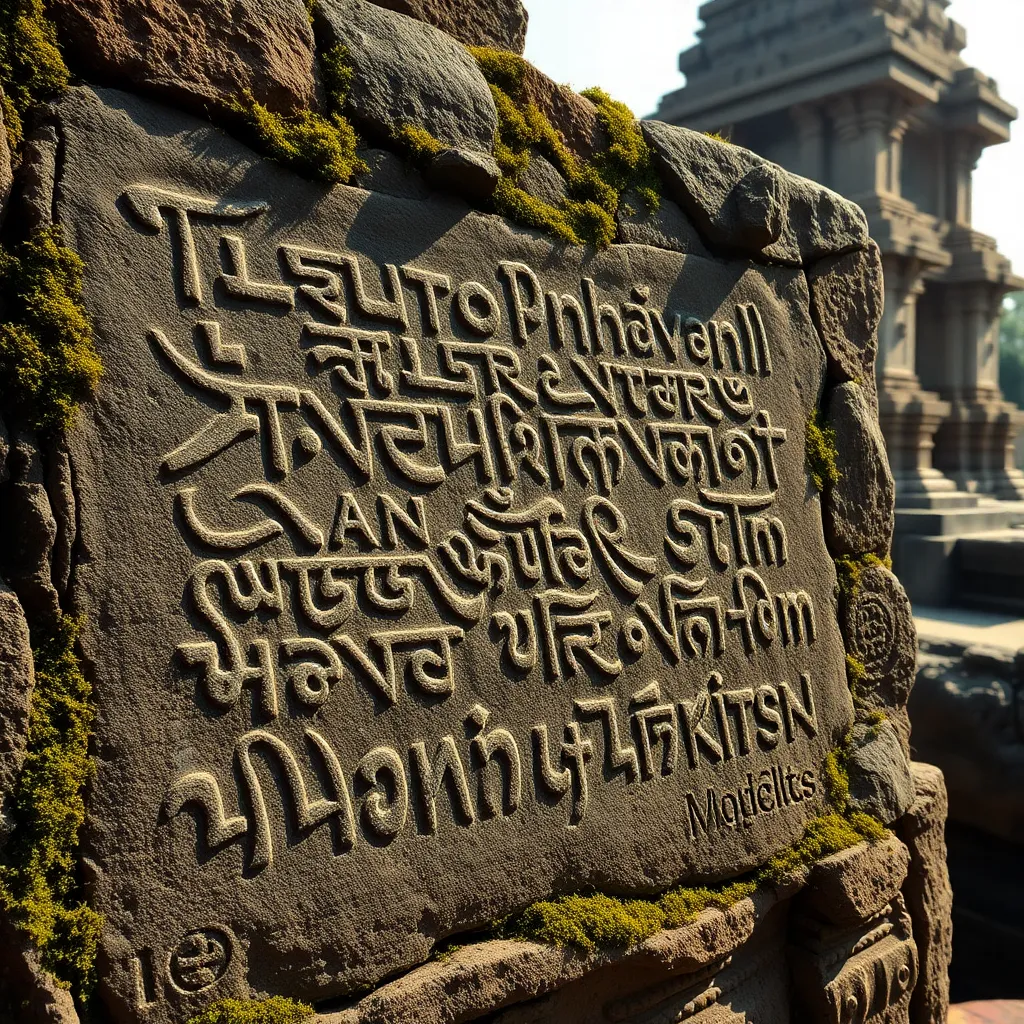
A 16th century Telugu inscription has been discovered in Tadipatri, Anantapur district, Andhra Pradesh. Dating to the Vijayanagara period, this inscription provides valuable primary evidence for regional administration, temple patronage, and the socio-cultural setting of the Deccan in late medieval South India. Telugu inscriptions from this era are essential for understanding the evolution of language, script, political authority, and religion in the region.
On this page
Key Facts
- A 16th-century Telugu inscription was discovered in Tadipatri, a town in Anantapur district of Andhra Pradesh.
- The inscription dates to the late Vijayanagara period, an era roughly spanning from 1336 to 1646 CE.
- This period was marked by significant cultural and political developments in South India, especially in the Deccan region.
- Epigraphy, the study of inscriptions, helps in understanding the historical, linguistic, religious, and administrative context of the region.
- Telugu inscriptions from this era often record land grants, temple donations, construction activities, and administrative arrangements.
- Tadipatri is known for its historic temples and numerous stone inscriptions that shed light on local rulers, religious establishments, and social history.
Background & Context
Epigraphy is a scientific discipline focusing on inscriptions engraved on durable materials like stone, metal, and copper plates. Telugu inscriptions from the 16th century form primary sources for reconstructing the history of the Telugu language, the development of its script, and political authority in the Deccan. Inscriptions from the Vijayanagara period document regional politics, land ownership, temple patronage, and religious endowments.
The late Vijayanagara period in the 16th century witnessed Telugu as a prominent language used for inscriptions. The empire, originally founded in Karnataka, had extended its influence over the Telugu-speaking regions. Tadipatri, located in Andhra Pradesh, is significant for its heritage sites with inscriptions that aid identification of rulers, local chiefs, donors, and the chronology of temples and religious institutions.
Why This Matters for Exams / Exam Relevance
Competitive examinations with history or culture sections often ask about inscriptions, regional languages, or the Vijayanagara empire. Understanding the role of Telugu inscriptions helps in answering questions relating to administration, language development, and religious patronage during medieval South India. The discovery of such inscriptions contributes to deeper knowledge of socio-political structures and cultural history of Andhra Pradesh in the 16th century.
Points to Remember
- Telugu inscriptions are crucial primary sources for studying 16th-century Deccan history.
- Tadipatri is an important archaeological site in Andhra Pradesh noted for its temple inscriptions.
- The 16th century corresponds to the late Vijayanagara empire period, known for Telugu literary and epigraphic advancements.
- Epigraphy involves interpreting inscriptions on stone and metal to understand historical contexts.
- Typical inscriptions include details on land grants, donations, temple construction, and administrative orders.
- Such inscriptions mention key local figures, donors, rulers, and religious sites.
Sources & Further Reading
| Document / Website | Link |
|---|---|
| 16th century Telugu inscription found in Tadipatri | Open 16th century Telugu inscription found in Tadipatri ↗www.gktoday.in |
| Two Telugu inscriptions of 16th century found in Nallamala forest in Andhra Pradesh | Open Two Telugu inscriptions of 16th century found in Nallamala forest in Andhra Pradesh ↗www.thehindu.com |
| South Indian Inscriptions Volume_16 - Telugu Inscriptions of the Vijayanagara Dynasty | Open South Indian Inscriptions Volume_16 - Telugu Inscriptions of the Vijayanagara Dynasty ↗www.whatisindia.com |