
Centre Proposes Rules for Two-Wheeled Ambulances in India
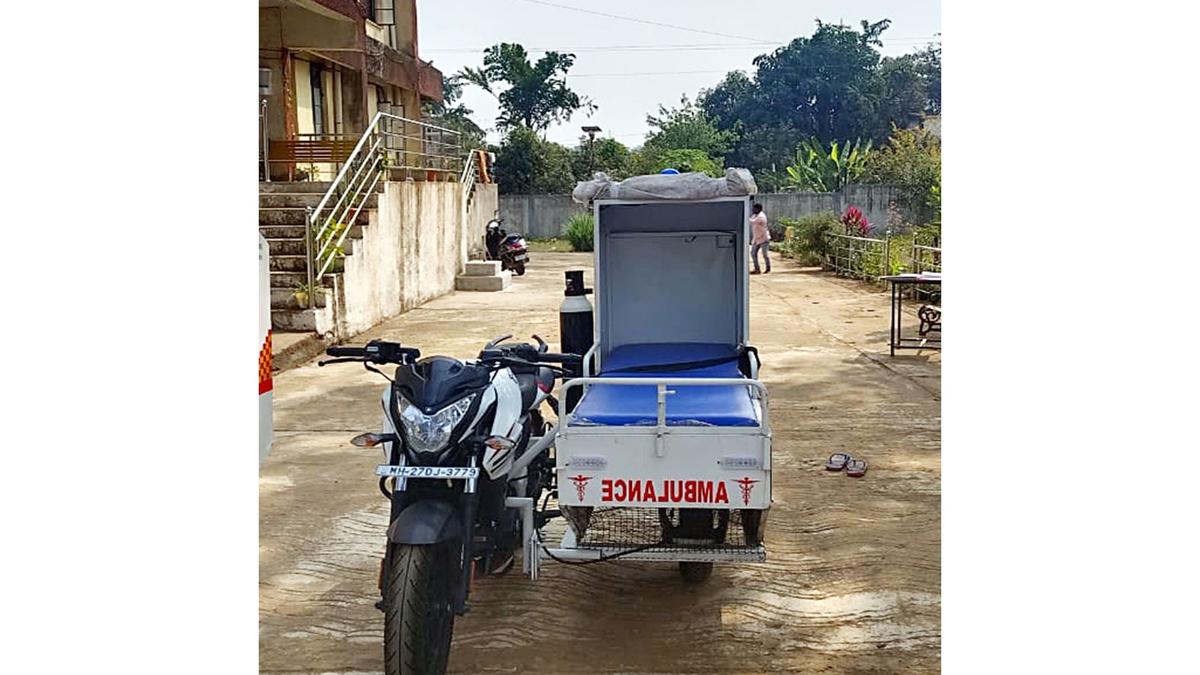
The Ministry of Road Transport and Highways has proposed draft rules to legalize and regulate two-wheeled ambulances under the Central Motor Vehicles Rules, 1989. These ambulances, intended to facilitate faster emergency medical response in remote and congested areas, will follow the Automotive Industry Standard (AIS)-209 (Part 1):2026 from 1 October 2027. They will be registered as transport vehicles, requiring mandatory fitness certification every two years. State governments will have authority to determine their operational zones based on local needs and geography.
On this page
Key Facts
- Two-wheeled ambulances are currently not recognized as a separate vehicle category under the Central Motor Vehicles Rules, 1989.
- The Ministry of Road Transport and Highways has proposed a draft framework to regulate registration, design, safety, and operation of two-wheeled ambulances.
- The draft mandates compliance with Automotive Industry Standard (AIS)-209 (Part 1):2026 for life support two-wheeled ambulances manufactured on or after 1 October 2027, including requirements for emergency top lights.
- These vehicles will be registered as transport vehicles and will require mandatory fitness certification, with renewal every two years.
- State governments are empowered to designate operational areas for these ambulances based on local requirements and geographic conditions.
Background & Context
Two-wheeled ambulances are designed to improve emergency medical accessibility in areas where larger ambulances face mobility challenges, such as remote, rural, hilly, and congested urban locations. Currently, the Central Motor Vehicles Rules, 1989 do not classify two-wheeled ambulances separately, necessitating a legal and technical framework to regulate their operation and integration into emergency services. The adoption of AIS standards ensures uniformity in safety and design, aligning these vehicles with existing motor vehicle regulations.
Why This Matters for Exams
This initiative exemplifies government efforts to enhance emergency healthcare infrastructure and accessibility, especially in underserved areas. Competitive exams may include questions on recent amendments in motor vehicle regulations, innovations in emergency transport solutions, and roles of the Ministry of Road Transport and Highways and AIS standards. Understanding the legal framework and technical standards for transport vehicles like two-wheeled ambulances is crucial.
Points to Remember
- Two-wheeled ambulances must comply with AIS-209 (Part 1):2026 from 1 October 2027 onwards.
- These vehicles will be registered as transport vehicles per the Central Motor Vehicles Rules, 1989.
- Mandatory fitness certification is required every two years.
- State governments have jurisdiction to determine operational areas based on local and geographic needs.
- The Ministry of Road Transport and Highways is the regulatory authority proposing these draft rules.
- Objective: To improve emergency medical response in remote, congested, and difficult terrain areas, facilitating last-mile healthcare access.
Sources & Further Reading
| Document / Website | Link |
|---|---|
| Centre Proposes Rules for Two-Wheeled Ambulances | Open Centre Proposes Rules for Two-Wheeled Ambulances ↗www.gktoday.in |
| Central Motor Vehicles Rules, 1989 | Open Central Motor Vehicles Rules, 1989 ↗morth.gov.in |
| Automotive Industry Standards (AIS) in India | Open Automotive Industry Standards (AIS) in India ↗www.aisindia.co.in |