
Chenab–Beas Link Tunnel Project Approved in Himachal Pradesh
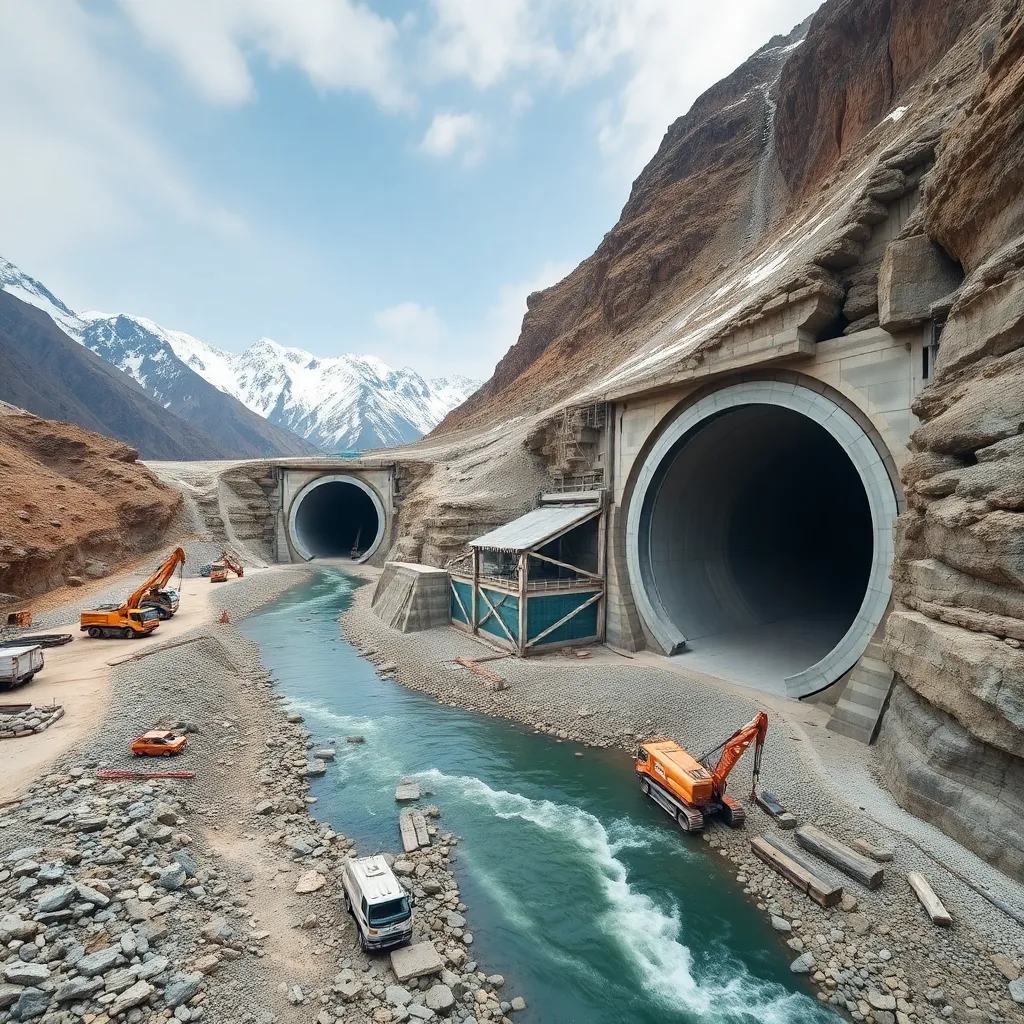
In May 2026, the Government of India approved the Chenab–Beas Link Tunnel project in Himachal Pradesh with an estimated cost of ₹2,352 crore. The project involves constructing an 8.7-kilometre tunnel to divert surplus water from the Chenab basin (part of the Indus river system) into the Beas river system. Managed by the National Hydroelectric Power Corporation (NHPC), the project aims to enhance hydropower generation capacity by nearly 4,000 MW. Phase 1 includes building a 19-metre-high barrage on the Chandra river near Koksar village, a tributary of the Chenab in the western Himalayas. The project aligns with India's decision to place the Indus Waters Treaty with Pakistan in abeyance in April 2025. While an unofficial completion target of July 2029 has been mentioned, official sources have not confirmed this date.
On this page
Key Facts
- Approval Date: May 2026
- Location: Himachal Pradesh, India
- Estimated Cost: ₹2,352 crore
- Tunnel Length: 8.7 kilometres
- Purpose: Divert surplus water from Chenab river basin (Indus river system) to Beas river system
- Hydropower Impact: Additional generation potential of nearly 4,000 MW
- Implementing Agency: National Hydroelectric Power Corporation (NHPC)
- Phase 1: Construction of a 19-metre-high barrage on the Chandra river near Koksar village in Lahaul valley
- Indus River System: Includes Chenab, Jhelum, Ravi, Beas, and Sutlej rivers
- Indus Waters Treaty: India suspended the treaty with Pakistan in April 2025
- Completion Date: Not officially confirmed; July 2029 mentioned in some sources but unverified
Background & Context
The Chenab river is one of the western rivers of the Indus river system, over which India has limited usage rights under the 1960 Indus Waters Treaty with Pakistan. The Beas river is a tributary of the Sutlej river and flows through Himachal Pradesh and Punjab. River-linking projects like this aim to optimize water utilization by transferring surplus water from one river basin to another to augment irrigation, water supply, and hydropower generation. Phase 1's barrage on the Chandra river represents an integral part of this project, with the Chandra river itself being a tributary that contributes to the Chenab basin in the western Himalayas. India's suspension of the Indus Waters Treaty reflects increasing geopolitical tensions and assertive water resource management policies.
Why This Matters for Exams / Exam Relevance
This project holds significance for Indian geography and polity topics in competitive exams. It highlights the intricacies of river systems, inter-basin water transfers, and their governance, including international treaties like the Indus Waters Treaty. Understanding the role of central public sector enterprises like NHPC in infrastructure development, especially hydroelectric power, is critical. The project also illustrates India’s approach to managing transboundary water resources under geopolitical stress, a commonly tested area in current affairs and environment-related syllabus sections.
Points to Remember
- The Chenab–Beas Link Tunnel is approved since May 2026 in Himachal Pradesh at an estimated cost of ₹2,352 crore.
- An 8.7-km-long tunnel will divert surplus water from Chenab (a western Indus river) to Beas (tributary of Sutlej).
- The project expects to add nearly 4,000 MW of hydropower capacity.
- NHPC is the implementing agency.
- Phase 1 includes a 19-metre-high barrage on the Chandra river near Koksar village.
- India placed the Indus Waters Treaty in abeyance in April 2025 amidst geopolitical developments.
- No officially verified completion date yet; July 2029 mentioned in some reports is unconfirmed.
Sources & Further Reading
| Document / Website | Link |
|---|---|
| Chenab-Beas River Link Project approved in Himachal Pradesh - GKToday | Open Chenab-Beas River Link Project approved in Himachal Pradesh - GKToday ↗www.gktoday.in |
| Govt Fixes July 2029 Deadline To Link Chenab To Beas Basin | News18 | Open Govt Fixes July 2029 Deadline To Link Chenab To Beas Basin | News18 ↗www.news18.com |
| Indus Water Treaty and Hydro projects in India - GS SCORE | Open Indus Water Treaty and Hydro projects in India - GS SCORE ↗iasscore.in |
| NHPC's Renewable Energy Expansion: Over 27,000 MW in Pipeline | Open NHPC's Renewable Energy Expansion: Over 27,000 MW in Pipeline ↗energy.economictimes.indiatimes.com |