
China Establishes High-Altitude Drone R&D Centres in Tibet
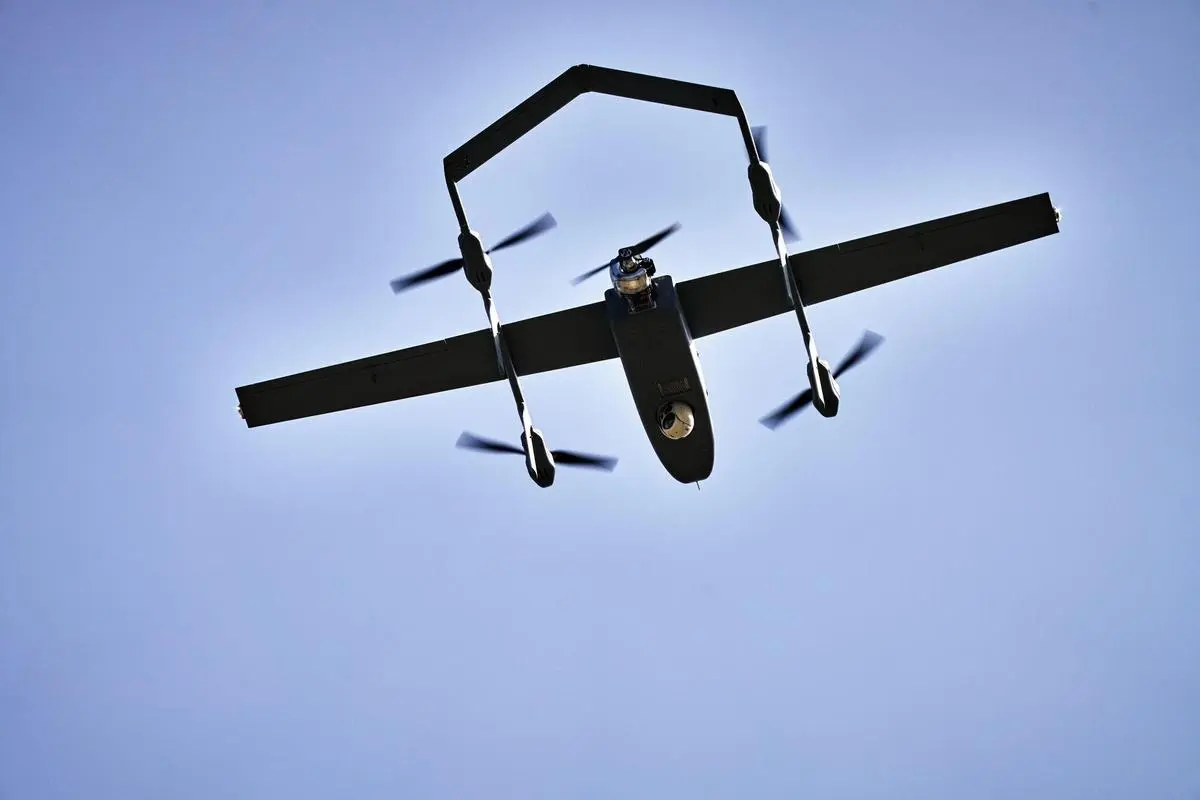
In 2025 and 2026, China inaugurated advanced drone testing and research facilities on the Tibetan Plateau, including the high-altitude UAV testing base in Ngari and the Plateau Drone R&D Application Centre at Xizang University. These centres focus on developing unmanned aerial vehicles capable of operating in extreme high-altitude conditions characterized by thin air, low temperatures, and complex terrain. The initiatives support China's strategic goals for border security, logistics, and civilian applications under the Tibet Autonomous Region Low Altitude Economic Development Plan (2025–2030), which aims for a comprehensive UAV service network by 2030.
On this page
Key Facts
- China inaugurated a high-altitude unmanned aerial vehicle (UAV) testing base in Ngari, western Tibet, on 28 September 2025. The base is located at elevations above 4,500 metres and designed to test UAVs under conditions of thin air and cold turbulence.
- Satellite imagery dated 29 October 2025 shows the Ngari testing base has a 720-metre runway and multiple hangars.
- On 3 July 2026, China launched the Plateau Drone R&D Application Centre at Xizang University near Mount Everest. It is described as the country's first professional platform dedicated to high-altitude drone research and practical deployment.
- The Plateau Drone R&D Application Centre supports applications related to border patrol, security, logistics, and transport in Tibet.
- The Tibetan Plateau is characterized by harsh environmental factors such as low oxygen levels, cold temperatures, rugged terrain, and rapidly changing weather, presenting significant challenges for UAV operations.
- The Tibet Autonomous Region Low Altitude Economic Development Plan (2025–2030) targets the creation of a regional UAV service network by 2030, designating Ngari as a central test and dispatch centre for drone operations in the region.
Background & Context
The Tibetan Plateau, often called the "Roof of the World," has an average elevation exceeding 4,000 metres, making it one of the highest and most challenging aviation environments globally. The reduced air density at high altitude diminishes aerodynamic lift and battery performance in UAVs, affecting payload capacity and flight endurance. This region's challenging climate and geography make it an ideal testbed for developing drones capable of operating in extreme conditions. The dual-use nature of UAV technology in this context serves both civilian logistics and security operations, reflecting China's strategic interest in enhancing remote area capabilities.
Why This Matters for Exams
This development is significant for exams covering geography, defense technology, and international affairs, as it illustrates China's approach to leveraging geographic and technological resources for strategic advantage. Candidates should be familiar with the dates and locations of these centres (Ngari and Xizang University), the environmental challenges of the Tibetan Plateau, and China's regional development plans for UAV deployment. Understanding these aspects aids comprehension of modern defense capabilities, regional geopolitics, and the impact of physical geography on technology adaptation.
Points to Remember
- High-altitude UAV testing base inaugurated at Ngari on 28 September 2025, situated above 4,500 metres.
- Ngari facility features a 720-metre runway and multiple hangars as of October 2025.
- Plateau Drone R&D Application Centre established at Xizang University on 3 July 2026, China’s first dedicated platform for high-altitude drone research.
- Tibetan Plateau's environmental challenges include low air density, cold temperatures, rugged terrain, and rapidly changing weather.
- The Tibet Autonomous Region Low Altitude Economic Development Plan (2025–2030) aims to build a UAV service network, with Ngari as a key test and dispatch hub.
- UAVs serve dual civilian and security purposes, including logistics, transport, and border patrol.
Sources & Further Reading
| Document / Website | Link |
|---|---|
| China establishes high-altitude drone R&D centre in Tibet - GKToday | Open China establishes high-altitude drone R&D centre in Tibet - GKToday ↗www.gktoday.in |
| Tibetan Plateau: The Roof of the World | Open Tibetan Plateau: The Roof of the World ↗www.britannica.com |
| China's Military Advances in Drone Technology | Open China's Military Advances in Drone Technology ↗www.defensenews.com |