
Chinese researchers discover new lunar mineral 'Cerium-Magnesium Changesite'
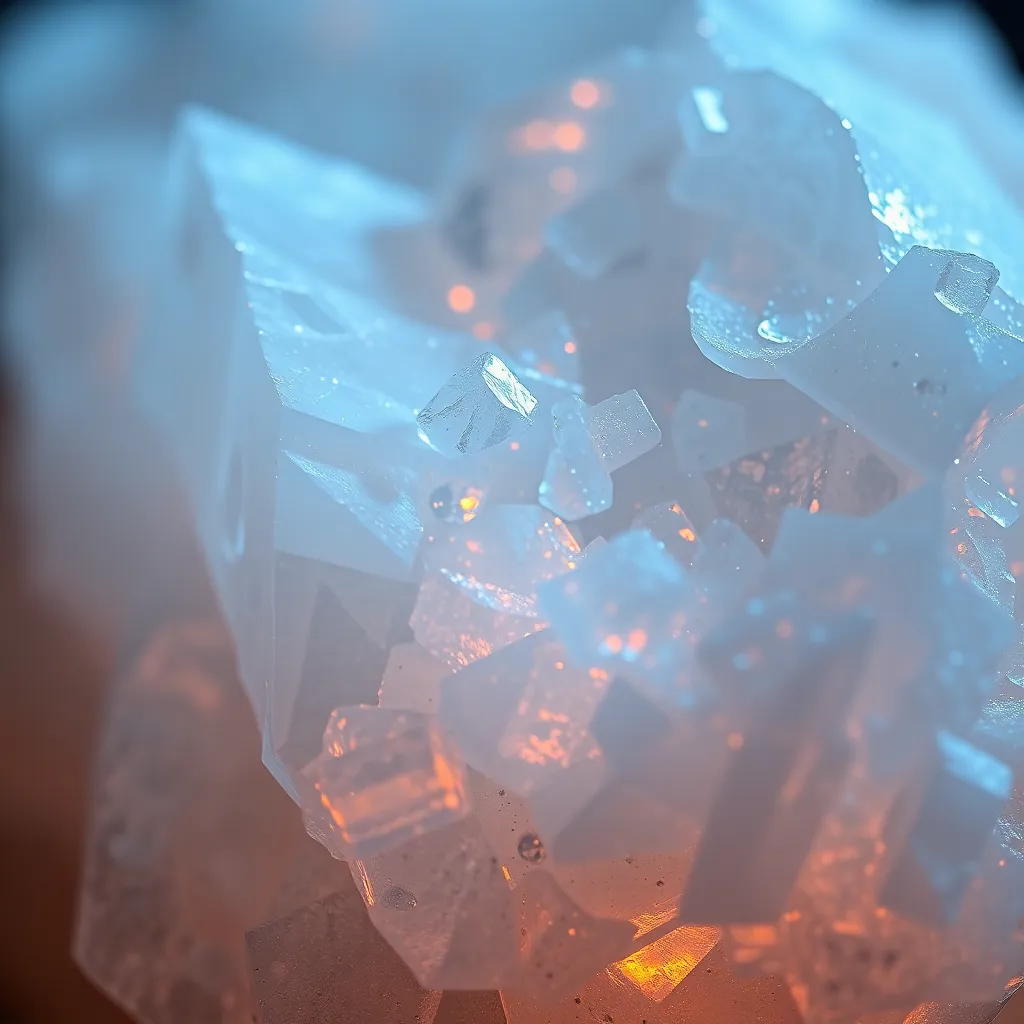
The China Geological Survey announced the discovery of a new lunar mineral named Cerium-Magnesium Changesite from a 44-gram lunar meteorite recovered in China. This marks the 11th known lunar mineral worldwide. The mineral is colorless, transparent, brittle, with crystal grains less than 10 micrometers in size and exhibits distinct fluorescence. It formed under unique lunar geological conditions, different from Earth, and holds potential for advancing high-efficiency LED technology and understanding lunar formation.
On this page
Key Facts
- Name: Cerium-Magnesium Changesite
- Discovery announced: April 2026 by China Geological Survey
- Source: 44-gram spherical lunar meteorite recovered in China (first lunar meteorite found in China)
- Physical characteristics: Colorless, transparent, brittle, crystal grains smaller than 10 micrometers
- Special properties: Distinct fluorescence, potential industrial application in advanced LED technology
Background & Context
Research into lunar minerals has accelerated due to sample returns and meteorite analyses, enriching our knowledge of the Moon's geology. The new mineral represents the 11th globally recognized lunar mineral. Its unique composition and crystalline structure reveal it formed under geological conditions distinct from Earth. This provides scientists a valuable window into lunar magma processes and rare earth element distribution—key for understanding the Moon’s formation and evolution. The meteorite’s dark molten exterior indicates its fiery atmospheric entry before discovery in China.
Why This Matters for Exams / Exam Relevance
The discovery exemplifies modern advancements in planetary geology and lunar science, a common topic in competitive science and geography examinations. Understanding the identification and significance of lunar minerals aligns with curriculum topics on extraterrestrial geology and materials science. Furthermore, the mineral's potential to impact LED technology relates to applied physics and technology sections, making it relevant for science and engineering examinations.
Points to Remember
- Cerium-Magnesium Changesite is the 11th lunar mineral identified worldwide.
- Discovered in the first lunar meteorite recovered in China weighing 44 grams with a dark molten crust.
- The mineral is microscopic, with grains typically smaller than 10 micrometers.
- It exhibits fluorescence and contains rare earth elements (cerium and magnesium), making it suitable for new phosphor materials in LEDs.
- The discovery enhances knowledge of lunar formation and supports future lunar resource utilization and technological innovation on Earth.
- Announced in April 2026 by the China Geological Survey.
Sources & Further Reading
| Document / Website | Link |
|---|---|
| China discovers rare Moon mineral that could revolutionise LED technology on Earth | The Times of India | Open China discovers rare Moon mineral that could revolutionise LED technology on Earth | The Times of India ↗timesofindia.indiatimes.com |
| Chinese scientists discover new mineral from lunar meteorite | Open Chinese scientists discover new mineral from lunar meteorite ↗news.cgtn.com |
| China discovers alien mineral inside meteorite that fell on Earth from the Moon | Open China discovers alien mineral inside meteorite that fell on Earth from the Moon ↗www.indiatoday.in |
| Chinese Scientists Discover New Lunar Mineral with Fluorescent Properties | Open Chinese Scientists Discover New Lunar Mineral with Fluorescent Properties ↗khabarasia.com |