
China Performs First Simultaneous Multi-Organ Pig-to-Human Transplant
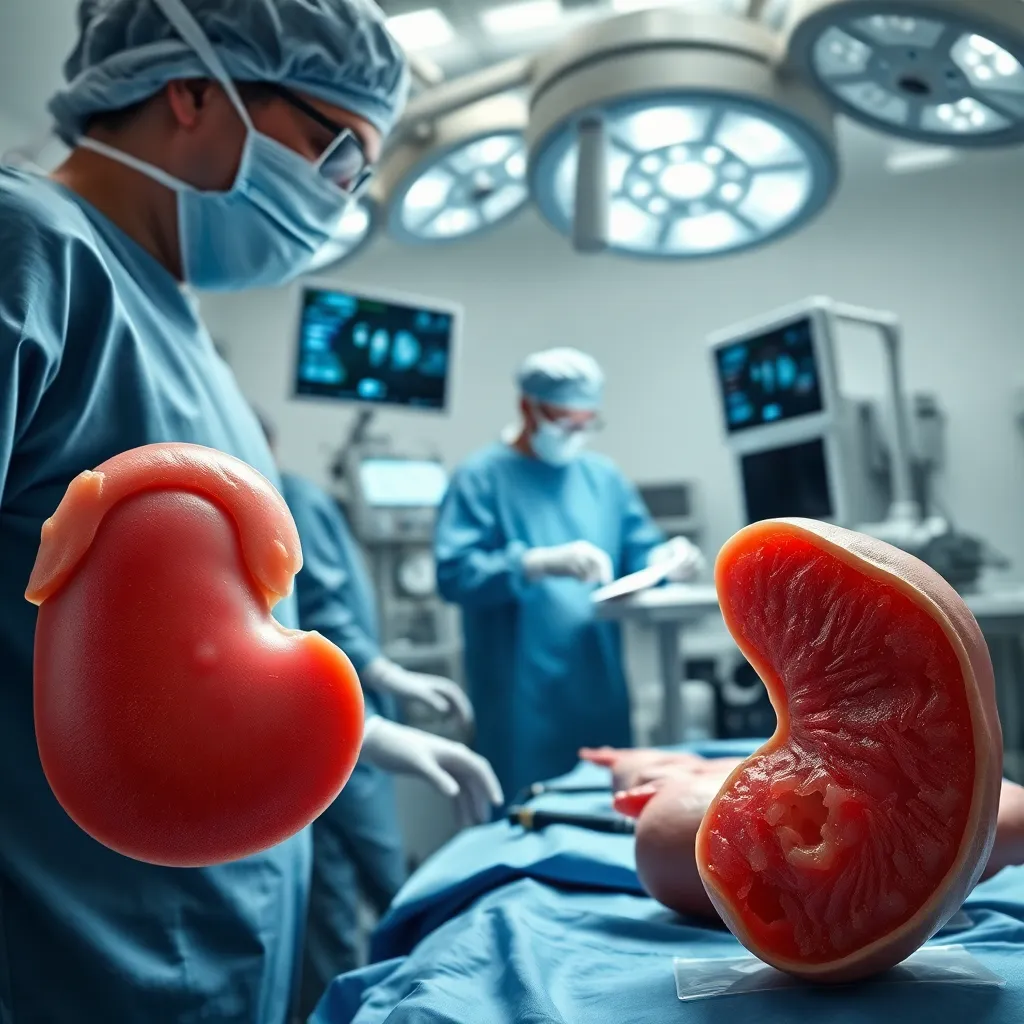
On May 29, 2026, Chinese clinicians at Xijing Hospital of the Chinese Air Force Medical University performed the world’s first simultaneous multi-organ pig-to-human transplant by transplanting two gene-edited pig kidneys and one pig liver into a 53-year-old brain-dead patient. These pig organs had six edited genes to reduce immune rejection. The pig liver produced bile within 19 hours post-operation, and kidney functions normalized within five days. Early signs of immune rejection were noted around 36 hours after the transplant. The recipient's healthy native liver was simultaneously transplanted into another patient during the same procedure. This pioneering procedure represents a significant advance in xenotransplantation research aimed at overcoming human organ shortages.
On this page
Key Facts
- Date of Procedure: May 29, 2026
- Location: Xijing Hospital, Chinese Air Force Medical University, China
- Patient: 53-year-old brain-dead individual
- Organs Transplanted: Two gene-edited pig kidneys and one gene-edited pig liver
- Gene Editing: Six pig genes edited to reduce immune rejection and improve compatibility
- Post-operative Findings: Pig liver produced bile within 19 hours; kidney function indicators returned to normal within five days
- Immune Rejection: Early signs appeared approximately 36 hours after transplantation, as human immune cells began replacing pig cells
- Research Leadership: Xuyong Sun from the Second Affiliated Hospital of Guangxi Medical University
- Publication: Published in the medical journal Med on May 30, 2026
- Additional Clinical Detail: Patient’s healthy native liver was transplanted into another recipient during the same procedure
Background & Context
Xenotransplantation involves transplantation of living cells, tissues, or organs between different species, frequently from pigs to humans, owing to the anatomical and physiological similarities of pig organs to human organs. Pigs are favored donor animals due to suitable organ size, physiological compatibility, and the relative biosecurity offered by controlled animal husbandry. Genetic engineering and gene editing (notably CRISPR-Cas9 and related techniques) are employed to modify donor pig organs to minimize immune recognition and hyperacute rejection, the principal immunological barrier impeding successful xenotransplantation.
Given the chronic human organ shortages and long transplantation waiting lists, pig-to-human xenotransplantation research is progressing as a promising alternative. Gene edits in pig genomes target elimination of key xenoantigens and insertion of human regulatory genes to reduce immune rejection and improve graft survival.
Why This Matters for Exams / Exam Relevance
This event represents a critical milestone in biomedical research and transplantation medicine, linking cutting-edge themes such as gene editing, immunology, and innovative transplant techniques. Exam candidates should understand the concepts of xenotransplantation, immunological challenges of organ rejection, the role of gene editing in enhancing transplant compatibility, and the significance of these advances in addressing organ shortage crises globally. The case details, including date, location, patient profile, and procedural outcomes, are pertinent for medical, science, and general knowledge examinations.
Points to Remember
- Xenotransplantation is transplantation between different species, commonly pig-to-human in current research.
- The first simultaneous transplantation of multiple gene-edited pig organs (two kidneys and one liver) into a human was performed on May 29, 2026, in China.
- Gene editing targeted six pig genes to reduce immune rejection and enhance compatibility.
- The pig liver demonstrated function by producing bile within 19 hours post-transplant.
- Pig kidney functions returned to normal within five days after the procedure.
- Signs of immune rejection began around 36 hours post-transplant, involving replacement of pig cells by human immune cells.
- The patient was brain-dead, with the recipient's healthy native liver transplanted into another patient during the same operation.
- Xijing Hospital in China conducted the surgery, led by researcher Xuyong Sun.
- This clinical research exemplifies progress towards using genetically modified pig organs as temporary or long-term support for patients facing organ failure due to human organ shortages.
Sources & Further Reading
| Document / Website | Link |
|---|---|
| China Performs First Pig Liver and Kidney Transplant – GKToday | Open China Performs First Pig Liver and Kidney Transplant – GKToday ↗www.gktoday.in |
| First pig-to-human heart transplantation - PMC | Open First pig-to-human heart transplantation - PMC ↗pmc.ncbi.nlm.nih.gov |
| Genetically engineered pigs for xenotransplantation - PMC | Open Genetically engineered pigs for xenotransplantation - PMC ↗pmc.ncbi.nlm.nih.gov |