
Delhi–Amritsar–Katra Expressway Inaugurated by PM Narendra Modi
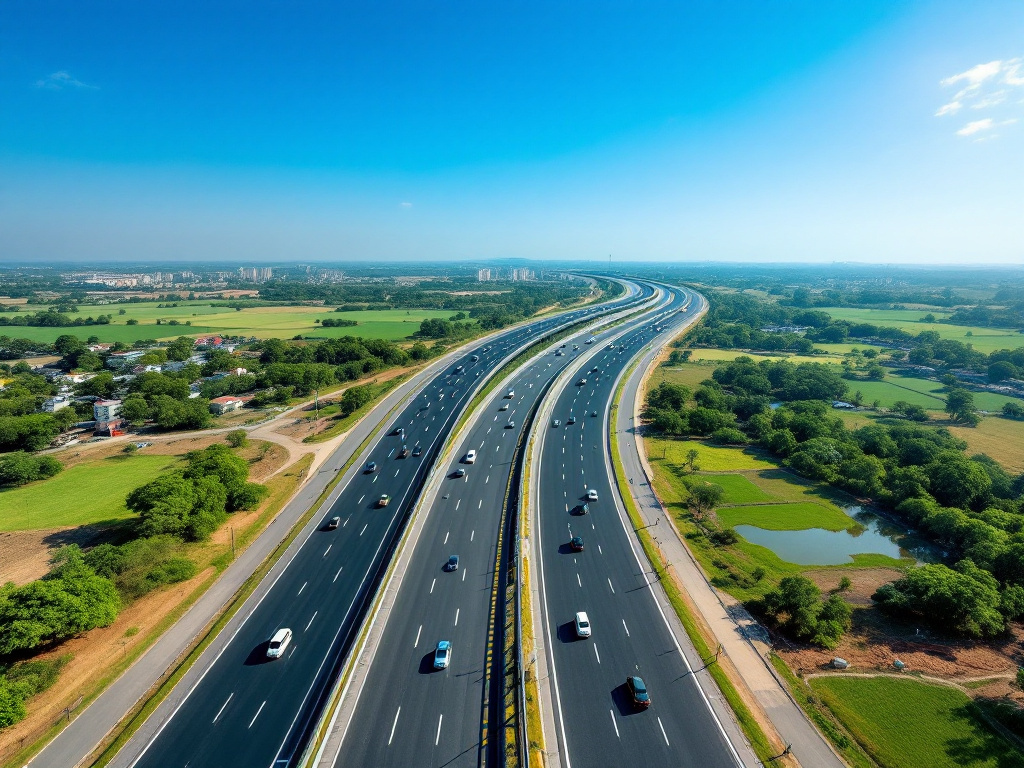
On 17 July 2026, Prime Minister Narendra Modi inaugurated initial Packages 1 to 6 of the Delhi–Amritsar–Katra Expressway, covering over 188 km in Haryana and Punjab. This 667 km greenfield access-controlled highway under the Bharatmala Pariyojana connects Delhi, Amritsar, and Katra across Haryana, Punjab, and Jammu & Kashmir. The expressway is expected to reduce travel times drastically—Delhi to Katra from 14 to about 6 hours and Delhi to Amritsar from about 8 to 4 hours—while decongesting NH-44. The project is implemented by the National Highway Authority of India to promote improved connectivity and regional development.
On this page
Key Facts
- Expressway Length: 667 km (greenfield project)
- Inauguration Date: 17 July 2026
- Inaugurated Sections: Packages 1 to 5 covering 157.92 km in Jind, Haryana; Package 6 covering 30.9 km in Jalandhar, Punjab
- Total Length of Inaugurated Stretch: More than 188 km
- Cost: Approximately ₹7,680 crore for Packages 1 to 5
- States Covered: Haryana, Punjab, Jammu & Kashmir
- Implemented By: National Highway Authority of India (NHAI)
- Part of: Bharatmala Pariyojana (Central road development programme)
- Expressway Type: Four-lane with provision for expansion to eight lanes
- Travel Time Reduction: Delhi to Katra from about 14 hours to nearly 6 hours; Delhi to Amritsar from around 8 hours to 4 hours
- Corridor Purpose: To reduce pressure on NH-44 (Grand Trunk Road or GT Road)
Background & Context
The Delhi–Amritsar–Katra Expressway is a greenfield expressway corridor under development by NHAI as part of the Bharatmala Pariyojana, aimed at providing faster and smoother connectivity between Delhi and northern cities including Amritsar and Katra (gateway to the Shri Mata Vaishno Devi shrine in Jammu & Kashmir). Access-controlled expressways in India permit limited entry and exit points to manage traffic flow efficiently. The project also supports industrial and logistics development along its route, enhancing regional economic growth. The Delhi–Amritsar–Katra corridor thus plays a vital role in connecting strategic, cultural, and tourism hubs across Haryana, Punjab, and Jammu & Kashmir.
Why This Matters for Exams
This expressway project exemplifies current developments in India's infrastructure under government initiatives like the Bharatmala Pariyojana and highlights the role of NHAI. It is relevant for understanding thematic areas like infrastructure development, regional connectivity, government schemes, and transport logistics in competitive exams. The reduced travel times and strategic connectivity to pilgrimage sites like Shri Mata Vaishno Devi shrine make this expressway significant from socio-economic and cultural perspectives that exams may test.
Points to Remember
- The expressway is a greenfield project, indicating it is constructed on a new alignment rather than upgrading existing roads.
- Prime Minister Narendra Modi inaugurated the initial stretches on 17 July 2026.
- The inaugurated sections cover a total of more than 188 km through Haryana and Punjab states.
- The corridor aims to significantly reduce travel times, notably halving Delhi to Amritsar travel time.
- National Highway Authority of India (NHAI) is the implementing agency.
- It is part of the Bharatmala Pariyojana, a central government programme focusing on highway connectivity.
- The expressway will help decongest NH-44, which is an important national highway also known as the Grand Trunk Road.
- It connects Delhi to key northern destinations and promotes economic activities through improved access.
- The corridor links to Katra, the base camp for pilgrims visiting the Shri Mata Vaishno Devi shrine.
- Expressways are access-controlled, allowing limited and regulated entry and exit points to facilitate faster and safer travel.
Sources & Further Reading
| Document / Website | Link |
|---|---|
| Delhi Amritsar Katra Expressway stretch inaugurated | Open Delhi Amritsar Katra Expressway stretch inaugurated ↗www.gktoday.in |
| Bharatmala Pariyojana Overview | Open Bharatmala Pariyojana Overview ↗morth.nic.in |
| National Highway Authority of India | Open National Highway Authority of India ↗nhai.gov.in |