
Discovery of Gourami Fish Fossils in Shivalik Foothills Near Dehradun
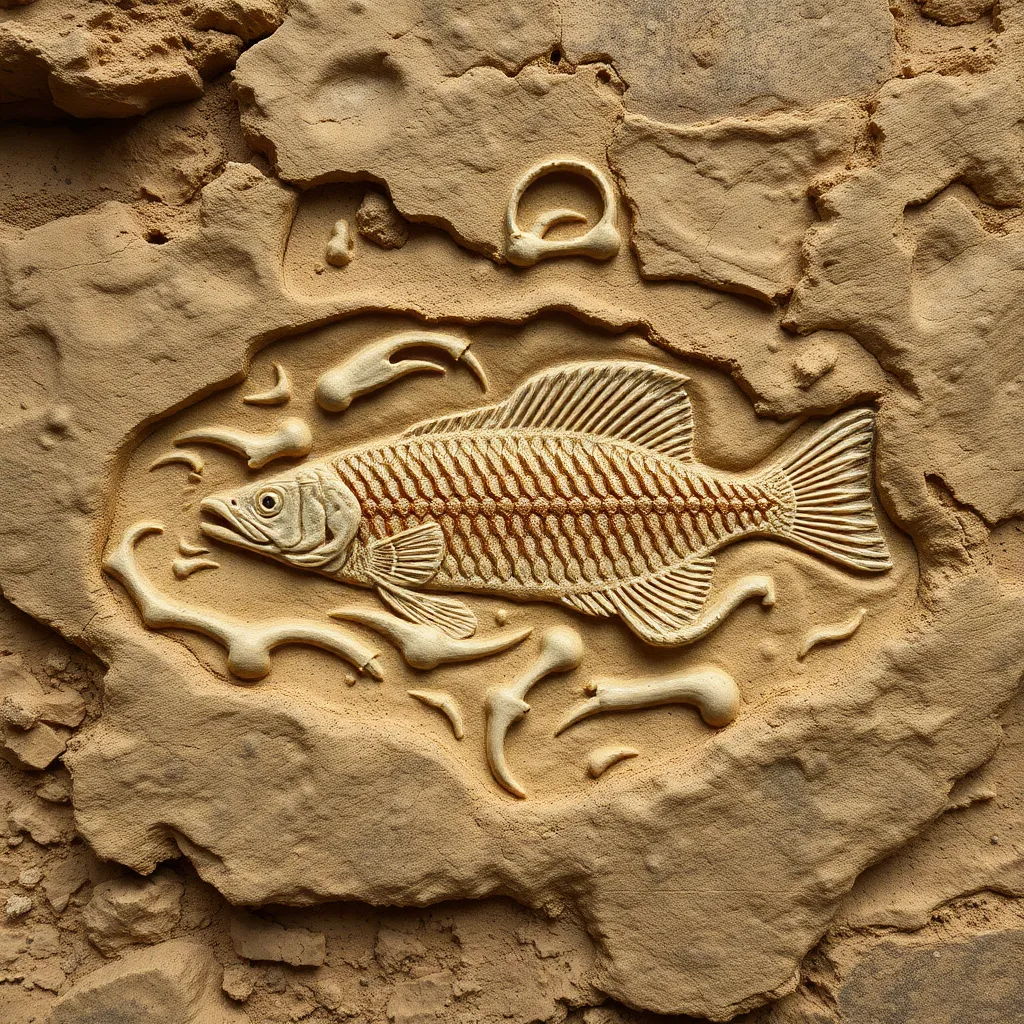
For the first time in the Shivalik foothills near Dehradun, researchers from the Wadia Institute of Himalayan Geology have discovered freshwater fish fossils dated around 4.5 million years old, from the Pliocene epoch. The fossils include otoliths (ear bones) of freshwater fishes such as snakehead (Channa), goby, and notably gourami—the first recorded gourami fossil in India and only the second worldwide after Sumatra. This finding provides crucial insight into the stable freshwater ecosystems that existed in northern India during the Pliocene and expands understanding of the evolutionary history and geographic distribution of the Osphronemidae family, to which gouramis belong.
On this page
Key Facts
Location: Mohand area, outskirts of Dehradun, Shivalik foothills.
Discovery Team: Researchers from Wadia Institute of Himalayan Geology (WIHG) and collaborating institutions.
Age of Fossils: Approximately 4.5 million years old, belonging to the Pliocene epoch (approx. 5.3 to 2.6 million years ago).
Fossil Types: Otoliths (ear bones) of freshwater fish including snakehead (Channa), goby, and gourami.
Significance: First gourami fossil record discovered in India; globally the second such discovery after Sumatra.
Ecological Insights: Suggests freshwater ecosystems with calm water bodies surrounded by dense vegetation during Pliocene.
Background & Context
The Shivalik hills, part of the outer Himalayan range, have been previously known mainly for terrestrial fossil deposits, including vertebrates. This discovery marks the first report of freshwater fish fossils in the region, providing expanded knowledge on the paleoenvironment. Otoliths are calcified inner ear structures that assist fishes in balance and hearing and are useful in identifying species in fossil records. The gourami fishes belong to the family Osphronemidae, mostly distributed in Southeast Asia today. The discovery extends the known evolutionary history of this family and suggests similar climatic and ecological conditions across South and Southeast Asia during the Pliocene epoch.
Nearly 500 kilograms of sediment were processed to retrieve these fossils, highlighting the extensive effort and potential for future paleontological discoveries in the Shivalik region.
Why This Matters for Exams / Exam Relevance
This finding holds importance for topics on Indian geography, paleontology, biodiversity, environmental history, and evolutionary biology relevant to competitive exams. It underlines the Shivalik foothills as a key paleontological site beyond terrestrial fossils and may feature in questions concerning paleoecology, geological epochs such as the Pliocene, and the historical distribution of freshwater species like gouramis. Understanding this helps grasp India’s ancient biodiversity and climate patterns, vital for ecology, geology, and history sections in examinations.
Points to Remember
The Wadia Institute of Himalayan Geology (WIHG) plays a significant role in uncovering fossils in northern India.
The Pliocene epoch spans approximately 5.3 to 2.6 million years ago; the fossils found date to about 4.5 million years ago.
Otoliths are important fossil remnants that help identify fish species and their evolutionary history.
Gourami fossils found here represent the first such record in India and only the second worldwide, improving understanding of Osphronemidae distribution.
The Shivalik foothills near Dehradun emerge as important Pliocene fossil sites beyond terrestrial remains.
Fossil evidence points to Pliocene freshwater environments with calm water and dense vegetation, influencing fish habitat preferences.
Sources & Further Reading
| Document / Website | Link |
|---|---|
| Gourami Fish Fossils Discovered in Shivalik Foothills - GKToday | Open Gourami Fish Fossils Discovered in Shivalik Foothills - GKToday ↗www.gktoday.in |
| Freshwater Gourami fish fossils found in Shivalik foothills near Dehradun | Open Freshwater Gourami fish fossils found in Shivalik foothills near Dehradun ↗timesofindia.indiatimes.com |