
Drosicha turkistanica: Invasive Sap-Sucking Pest Threatens Kashmir's Poplar and Willow Plantations
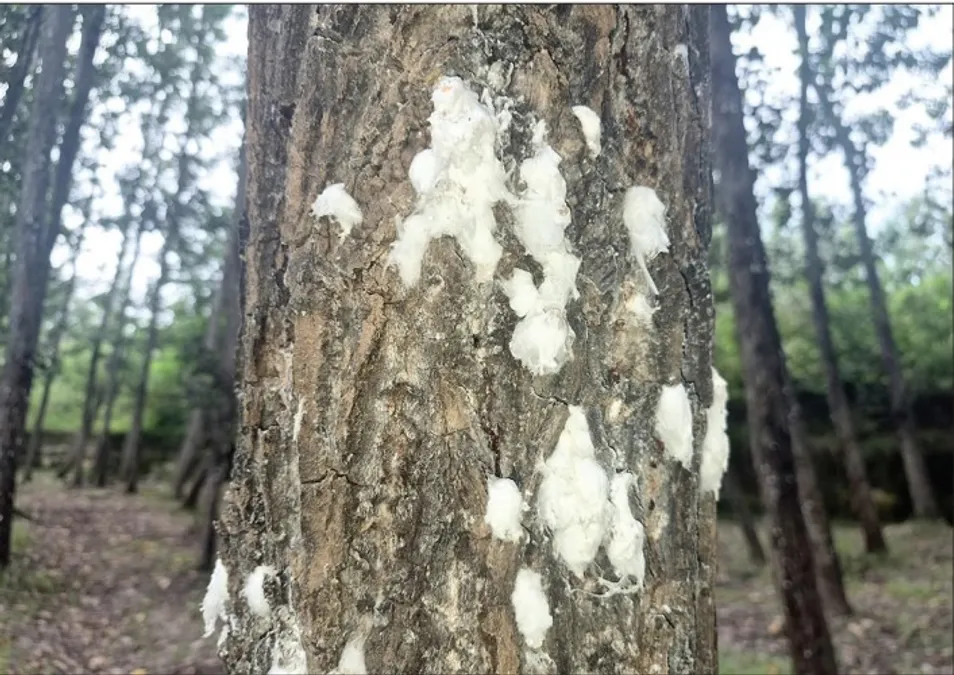
Drosicha turkistanica, an invasive sap-sucking insect, has been identified as a significant threat to poplar and willow plantations in south Kashmir, including Pulwama, Kulgam, and Anantnag districts. Initially misdiagnosed as a fungal infection nearly two years ago due to snow-white cotton-like masses on tree trunks, the pest was scientifically confirmed by the National Bureau of Agricultural Insect Resources (NBAIR), Bengaluru, after samples were collected from the Mountain Research Centre for Field Crops (MRCFC), Khudwani. The insect belongs to the Hemiptera order and Monophlebidae family, feeding on sap through piercing mouthparts, which progressively weakens and can ultimately kill the trees. The invasion is linked to imported planting material, raising quarantine concerns. Experts advise against indiscriminate pesticide use, emphasizing quarantine, expert diagnosis, and careful management to protect tree health and the livelihoods dependent on these plantations.
On this page
Key Facts
- Species: Drosicha turkistanica (Order Hemiptera, Family Monophlebidae)
- Location: Pulwama (Hanjipora), Kulgam, and Anantnag districts, South Kashmir
- Hosts: Poplar and willow trees, widely cultivated for timber, plywood, and farm forestry
- Identification: Confirmed by NBAIR, Bengaluru based on samples collected at MRCFC, Khudwani
- Initial Misdiagnosis: First noted nearly two years ago; initially mistaken as a fungal infection due to white, cotton-like masses on trunks
- Impacts: Sap feeding weakens trees progressively; severe infestations can cause tree death, threatening rural livelihoods
- Invasion Pathway: Linked to imported planting material, a common route for invasive pests
- Management Advice: Quarantine, inspection of nursery stock, expert diagnosis; avoid indiscriminate pesticide use due to environmental risks and poor efficacy
Background & Context
Drosicha turkistanica is a scale insect native to certain regions but newly invasive in Kashmir. As a member of the family Monophlebidae, it feeds by piercing plant tissue with specialized mouthparts to suck sap, causing physiological stress to host trees. Poplar and willow plantations form a critical part of Kashmir’s agroforestry and rural economy, where tree cultivation supports timber-related industries and farm income. The pest's presence in key districts signals emerging biosecurity risks, linked to globalization and plant material importation. Early confusion with fungal disease delayed management efforts, underscoring the importance of accurate pest identification.
Why This Matters for Exams / Exam Relevance
This topic integrates crucial concepts such as invasive species biology, quarantine and biosecurity, pest identification technologies, and sustainable pest management—important subjects in environmental science, agriculture, and forestry studies. The case offers applied understanding of Hemipteran pests, their ecological and economic impacts, and the role of national agricultural research institutions (NBAIR, MRCFC). Awareness of pest pathways, quarantine, and integrated pest management (IPM) strategies aligns with current exam syllabi in biological sciences and agriculture.
Points to Remember
- Drosicha turkistanica is an invasive scale insect causing new quarantine concerns in Kashmir.
- The pest feeds on poplar and willow by sucking sap, causing weakening and risk of tree death.
- Identified from field samples sent from Kashmir's MRCFC to NBAIR in Bengaluru.
- First noticed about two years prior under mistaken identity as fungal infection due to characteristic snow-white cotton-like masses.
- The pest has high reproductive potential, enhancing spread risk.
- The invasion pathway is linked to imported planting material, highlighting quarantine importance.
- Farmers depend on poplar and willow plantations for livelihood; pest impact threatens economic stability.
- Management must prioritize quarantine, proper pest diagnosis, and avoid indiscriminate pesticide use to protect environment and control pests effectively.
Sources & Further Reading
| Document / Website | Link |
|---|---|
| Drosicha turkistanica raises quarantine concerns in Jammu Kashmir - GKToday | Open Drosicha turkistanica raises quarantine concerns in Jammu Kashmir - GKToday ↗www.gktoday.in |
| Invasive pest threatens Kashmir’s poplar, willow plantations - Greater Kashmir | Open Invasive pest threatens Kashmir’s poplar, willow plantations - Greater Kashmir ↗www.greaterkashmir.com |
| New pests raise quarantine concerns in Kashmir as poplar, apple come under attack - The Hindu BusinessLine | Open New pests raise quarantine concerns in Kashmir as poplar, apple come under attack - The Hindu BusinessLine ↗www.thehindubusinessline.com |