
First Suspected Detection of H5N1 Bird Flu in Mainland Australia at Western Australia
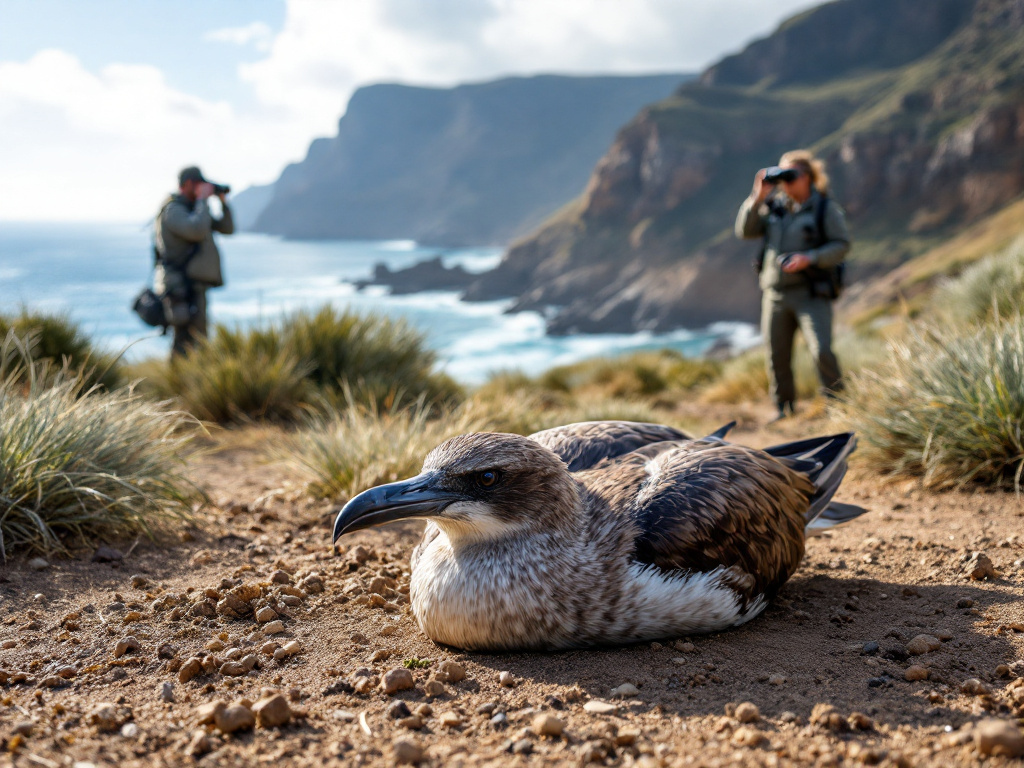
On 19 June 2026, a migratory brown skua seabird found dead on 14 June at Cape Le Grand National Park near Esperance, Western Australia, tested positive in preliminary tests for the H5 subtype of bird flu (avian influenza). Confirmatory tests were sent to CSIRO’s Australian Centre for Disease Preparedness with results pending at the time. This represents the first suspected case of H5N1 bird flu on Australia's mainland, following previous detections limited to remote territories such as Heard Island. Authorities are monitoring wildlife closely to prevent spread and protect poultry and public health.
On this page
Key Facts
- Date of preliminary detection: 19 June 2026
- Bird species: Brown skua (a migratory wild seabird)
- Location: Cape Le Grand National Park, near Esperance, Western Australia
- Distance from Perth: Approximately 700 km southeast
- Initial testing: Conducted by Western Australian authorities on 18 June 2026, resulted in suspected positive for avian influenza
- Confirmatory testing: Conducted at CSIRO’s Australian Centre for Disease Preparedness in Geelong; results expected shortly after 19 June 2026
- Additional case: A second sick migratory sub-Antarctic seabird, a giant petrel, found in the same area and tested for avian influenza
Background & Context
Avian influenza, commonly known as bird flu, is caused by influenza A viruses that primarily infect birds. The H5 subtype, and specifically the H5N1 strain, is highly pathogenic and has caused widespread outbreaks globally since 2021, affecting wild birds, poultry, and occasionally mammals. Until 2026, mainland Australia had no confirmed cases of H5N1, remaining the last continent free of the strain.
However, H5N1 was detected in October 2025 on Heard Island, an Australian external territory in the sub-Antarctic, where it caused mass deaths including over 13,000 southern elephant seal pups. This indicated the virus’s presence in Australian territories but not yet on the mainland.
Migratory seabirds such as brown skuas and giant petrels naturally breed in sub-Antarctic regions and undertake extensive migrations, potentially facilitating the spread of avian influenza viruses across vast geographic areas, including into Australia.
Why This Matters for Exams
This event marks a critical development in Australia's biosecurity and zoonotic disease monitoring. It represents the first detected incursion of H5N1 bird flu into the Australian mainland, illustrating the challenges of containing highly contagious animal diseases amid global wildlife migration patterns.
Understanding the ecological, epidemiological, and public health implications of H5N1's spread into Australia is important for subjects including Environmental Science, Biology, Public Health, and Geography in current affairs and national/international health contexts.
Points to Remember
- First suspected mainland Australia detection of H5N1 bird flu occurred in June 2026 in Western Australia.
- The affected bird was a brown skua, a migratory seabird found dead in Cape Le Grand National Park near Esperance.
- Another migratory seabird, a giant petrel, was found sick in the same vicinity and tested for avian influenza.
- Previously, H5N1 bird flu was detected in the sub-Antarctic territory of Heard Island in October 2025, causing significant wildlife mortality.
- CSIRO’s Australian Centre for Disease Preparedness conducts confirmatory testing for avian influenza in Australia.
- Bird flu viruses rarely infect humans; no human cases related to this Australian event were reported.
- Australian federal and state authorities coordinate to monitor and respond to such outbreaks, encouraging reporting of sick or dead birds and emphasizing biosecurity.
Sources & Further Reading
| Document / Website | Link |
|---|---|
| H5 Bird Flu Detected in Western Australia | Open H5 Bird Flu Detected in Western Australia ↗www.gktoday.in |
| Bird flu (avian influenza) | Australian Centre for Disease Control | Open Bird flu (avian influenza) | Australian Centre for Disease Control ↗www.cdc.gov.au |
| Australian Antarctic Program Scientists Finalise H5 Bird Flu Findings | Open Australian Antarctic Program Scientists Finalise H5 Bird Flu Findings ↗www.antarctica.gov.au |