
ICMR to Set Up India's First High Altitude Medicine Centre in Himachal Pradesh
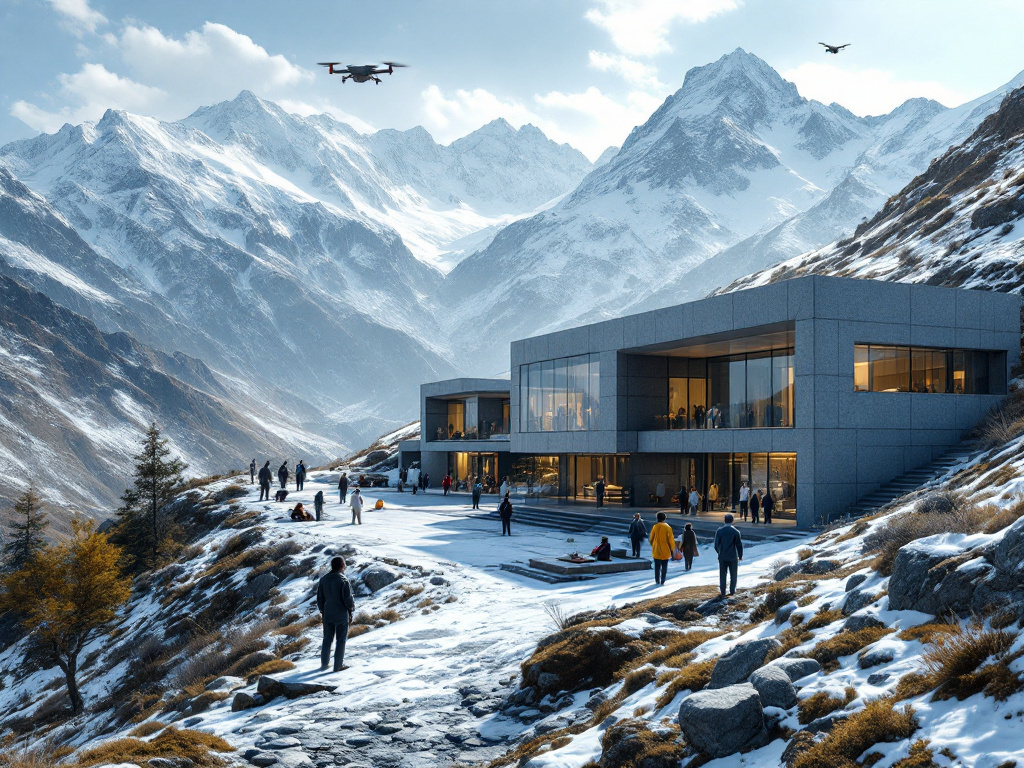
The Indian Council of Medical Research (ICMR) is setting up India's first dedicated Centre for High Altitude Medicine and Public Health Research at Keylong, Lahaul and Spiti district, Himachal Pradesh. The multidisciplinary centre will focus on altitude physiology, mountain medicine, climate-sensitive diseases, infectious and non-communicable diseases, maternal and child health, nutrition, mental and occupational health, and disaster medicine. Utilizing advanced digital health technologies including telemedicine and drone-based medicine delivery, the centre aims to overcome geographic remoteness and provide real-time disease surveillance. It will collaborate with Defence organizations, state government, and academic bodies to enhance research and healthcare delivery in high-altitude regions.
On this page
Key Facts
- The Indian Council of Medical Research (ICMR) is establishing India's first dedicated Centre for High Altitude Medicine and Public Health Research at Keylong in the Lahaul and Spiti district of Himachal Pradesh.
- Keylong is the headquarters of Lahaul and Spiti district, situated in the western Himalayas at high altitude.
- The centre will upgrade the existing ICMR field station into a multidisciplinary hub focusing on altitude physiology, acclimatisation, mountain medicine, climate-sensitive diseases, infectious diseases, non-communicable diseases, maternal and child health, nutrition, mental health, occupational health, and disaster medicine.
- High-altitude medicine studies the health effects of low oxygen levels, cold climate, and environmental stress on human physiology.
- The centre will deploy digital health platforms, telemedicine, drone-based delivery of medicines and diagnostics, and real-time disease surveillance, crucial for remote mountain regions with limited connectivity and access.
- Collaborations are planned with Armed Forces Medical Services, Defence Research and Development Organisation (DRDO), Himachal Pradesh government, and academic institutions, linking civilian and defence-related health research.
- ICMR was originally established as the Indian Research Fund Association in 1911 and renamed in 1949.
- High-altitude regions are generally considered as areas above 2,500 metres above sea level.
- Lahaul and Spiti district is one of the least densely populated in Himachal Pradesh and remains geographically isolated during winter months.
Background & Context
The Indian Council of Medical Research serves as India's apex biomedical research body. Establishing a centre specifically for high-altitude medicine addresses unique challenges posed by the Himalayan environment, including hypoxia, extreme cold, and restricted access to healthcare. The choice of Keylong leverages its strategic position in a border district at high altitude, enabling year-round research opportunities on environmental determinants of health, emergency response, and cold-region medicine. The integration of telemedicine, drone delivery, and real-time surveillance seeks to overcome infrastructural challenges inherent to remote mountainous areas.
Why This Matters for Exams / Exam Relevance
The creation of this centre marks a significant advancement in India's capacity to study and manage health issues related to high altitudes. Questions may focus on the role and history of ICMR, features of high-altitude medicine, and the relevance of such specialised research to public health and defence sectors. Understanding geographic and demographic aspects of Lahaul and Spiti, as well as technological innovations such as telemedicine and drone-based healthcare delivery, are important for holistic preparation.
Points to Remember
- ICMR was established in 1911 as Indian Research Fund Association; renamed Indian Council of Medical Research in 1949.
- High-altitude regions refer to elevations above 2,500 metres above sea level.
- Major altitude-related illnesses include acute mountain sickness, high-altitude pulmonary oedema, and high-altitude cerebral oedema.
- Keylong is the administrative centre of Lahaul and Spiti district, Himachal Pradesh.
- The new centre will collaborate closely with Armed Forces Medical Services, DRDO, Himachal Pradesh government, and academic institutions.
- Health technology applications such as telemedicine and drone delivery are critical for providing healthcare in remote mountainous areas.
- Lahaul and Spiti remain isolated during winter due to snow, highlighting the need for specialised health solutions and research.
Sources & Further Reading
| Document / Website | Link |
|---|---|
| ICMR to Set Up India's First High Altitude Medicine Centre | Open ICMR to Set Up India's First High Altitude Medicine Centre ↗www.gktoday.in |
| Indian Council of Medical Research Official Website | Open Indian Council of Medical Research Official Website ↗www.icmr.gov.in |
| High-Altitude Medicine and Physiology | Open High-Altitude Medicine and Physiology ↗www.ncbi.nlm.nih.gov |