
India Advances AMCA Programme and Explores 6th-Generation Fighter Collaborations
India is pushing forward its indigenous Advanced Medium Combat Aircraft (AMCA) programme, issuing a Request for Proposal (RFP) soon for private sector participation in development. This marks a strategic shift to engage private firms such as Tata Advanced Systems, Larsen & Toubro, and Bharat Forge in fighter aircraft production, boosting domestic manufacturing and reducing import dependence. Additionally, India is seeking international collaborations for sixth-generation fighter aircraft with European consortia (UK-Italy-Japan's GCAP and France-Germany-Spain's FCAS), aiming to integrate AI, stealth, and network-centric warfare capabilities. Complementing these air advancements, India is progressing missile tech with Agni-VI ICBM and hypersonic missile systems, enhancing strategic deterrence and military capabilities.
On this page
Key Facts
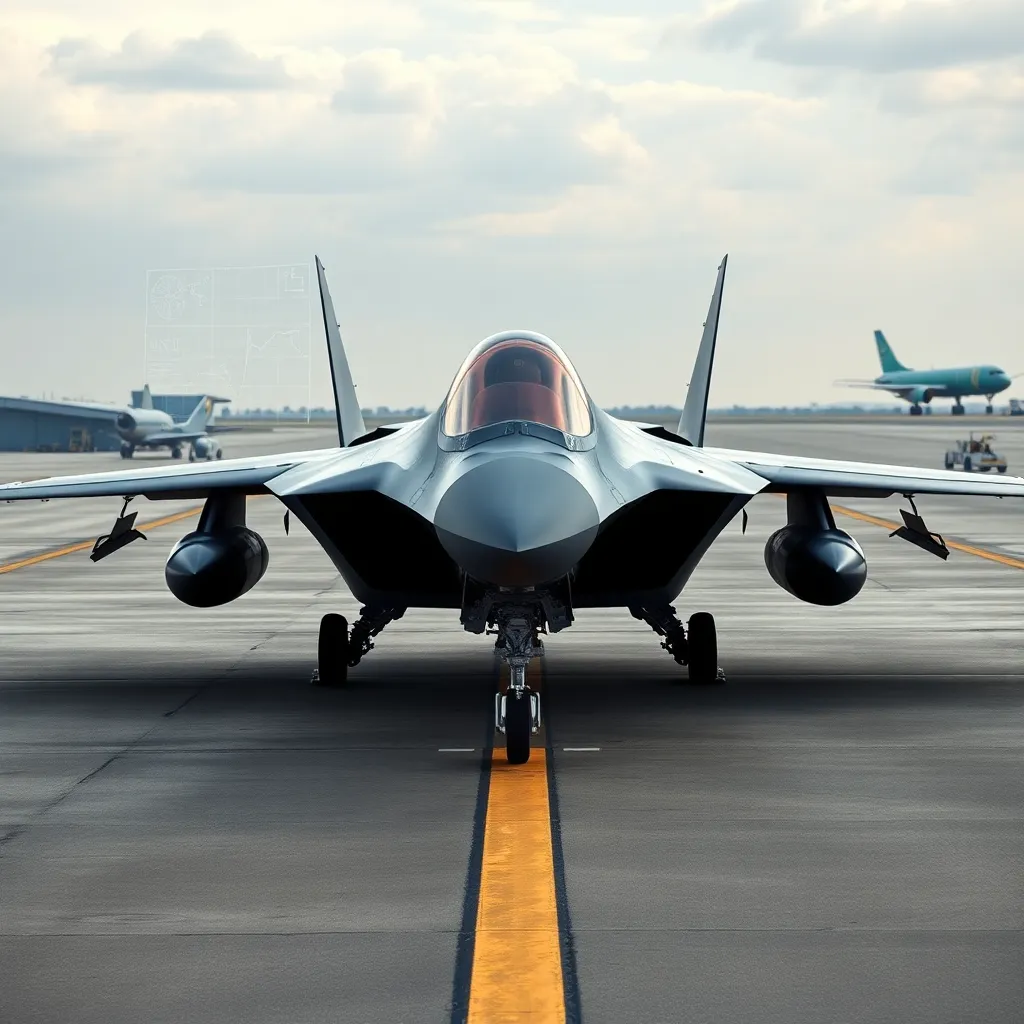
- AMCA (Advanced Medium Combat Aircraft) is India’s indigenous fifth-generation stealth fighter aircraft project.
- The Ministry of Defence (MoD) has approved a new industry partnership model allowing public and private sectors to competitively participate in AMCA prototype development, with a Request for Proposal (RFP) expected soon.
- Private sector firms Tata Advanced Systems Limited, Larsen & Toubro, and Bharat Forge have been shortlisted for the AMCA programme; Hindustan Aeronautics Limited (HAL) is required to bid along with others, no automatic partnership.
- India is exploring international collaboration opportunities in sixth-generation fighter aircraft development with European consortia: GCAP (Global Combat Air Programme - UK, Italy, Japan) and FCAS (Future Combat Air System - France, Germany, Spain).
- Sixth-generation fighter technologies focus on advanced stealth, artificial intelligence (AI) integration for combat efficiency, and network-centric warfare capabilities.
- The Defence Research and Development Organisation (DRDO) is preparing to proceed pending approval with the Agni-VI missile programme, an intercontinental ballistic missile (ICBM) with a range of approximately 6,000-10,000 km and Multiple Independently targetable Reentry Vehicle (MIRV) capabilities.
- India's hypersonic glide missile programme, including Long-Range Anti-Ship Missiles, is at an advanced stage with trials expected soon. Hypersonic missiles travel at speeds exceeding Mach 5 and are difficult to intercept.
- The government aims to increase defence exports to ₹50,000 crore by 2029 through indigenous innovation and greater private sector involvement.
Background & Context
The Indian Air Force’s modernization involves developing indigenous fifth-generation fighter capabilities through the AMCA programme, designed by ADA (Aeronautical Development Agency) under DRDO. Historically, HAL was the primary aerospace manufacturer, but recent MoD reforms encourage competitive private sector involvement to bolster domestic manufacturing capacities and reduce import dependency. As global aviation evolves, India seeks to align with cutting-edge sixth-generation fighter technologies through collaborations with leading European consortia, ensuring strategic parity against regional threats. Complementing air platforms, strategic missile enhancements with Agni-VI and hypersonic systems position India for credible deterrence and improved strike capabilities.
Why This Matters for Exams / Exam Relevance
Understanding India’s defence modernization, particularly its indigenous fighter development (AMCA), missile advancements, and international collaborations on sixth-generation fighters, is critical for current affairs, defence technology, and security studies in exams. The shift towards private sector participation reflects broader policy changes aimed at self-reliance (Atmanirbhar Bharat) and defence export growth. These topics often feature in defence, polity, and international relations sections of competitive examinations.
Points to Remember
- AMCA is India’s indigenous fifth-generation stealth fighter, designed to integrate advanced AI and multi-sensor fusion.
- Private sector firms Tata Advanced Systems, Larsen & Toubro, and Bharat Forge shortlisted for AMCA prototype development; HAL must compete rather than being automatic choice.
- India is exploring joining one of two major European sixth-generation fighter programmes: GCAP (UK, Italy, Japan) or FCAS (France, Germany, Spain).
- Agni-VI missile is an advanced ICBM with MIRV technology, enhancing India’s strategic deterrence; DRDO ready for launch pending government approval.
- Hypersonic missiles, flying at speeds beyond Mach 5, provide India with advanced strike options difficult to intercept.
- Defence exports target ₹50,000 crore by 2029 propelled by innovation and private sector expansion.
Sources & Further Reading
| Document / Website | Link |
|---|---|
| India Advances AMCA, Eyes 6th Gen Fighter Collaboration - GKToday | Open India Advances AMCA, Eyes 6th Gen Fighter Collaboration - GKToday ↗www.gktoday.in |
| Defence Ministry panel explores private sector role in AMCA - DD News | Open Defence Ministry panel explores private sector role in AMCA - DD News ↗ddnews.gov.in |
| India eyes joining Europe’s 6th-gen fighter projects - Times of India | Open India eyes joining Europe’s 6th-gen fighter projects - Times of India ↗timesofindia.indiatimes.com |
| DRDO Ready for Agni VI Missile Launch - The Hans India | Open DRDO Ready for Agni VI Missile Launch - The Hans India ↗www.thehansindia.com |
| India’s AMCA Programme Sees Structural Shift With Private Sector Shortlisted | Open India’s AMCA Programme Sees Structural Shift With Private Sector Shortlisted ↗aeromorning.com |
| India seeks to join sixth-generation fighter programme - Janes | Open India seeks to join sixth-generation fighter programme - Janes ↗www.janes.com |