
India-Cambodia Bilateral Military Exercise CINBAX-II 2026 Begins in Cambodia
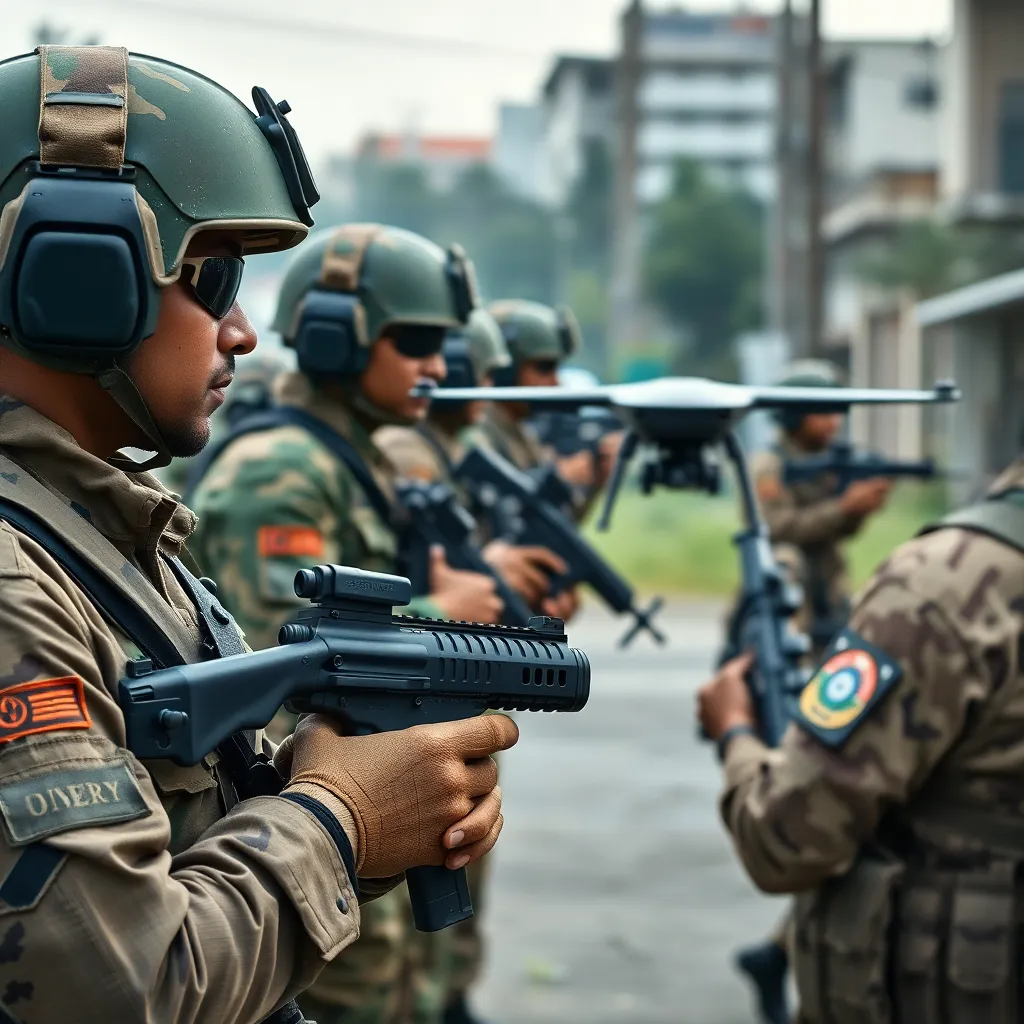
The second edition of the India-Cambodia bilateral military exercise, CINBAX-II 2026, commenced on May 4, 2026, at Camp Basil in Kampong Speu Province, Cambodia. Scheduled until May 17, the exercise involves joint company-level training focused on counter-terrorism and UN peacekeeping operations under Chapter VII of the UN Charter. The Indian contingent comprises 120 personnel primarily from the Maratha Light Infantry Regiment, while the Cambodian side has 160 troops from the Royal Cambodian Army. The drills include tactical exercises such as drone operations, mortar practice, sniper tactics, and operations in semi-urban environments, aimed at enhancing interoperability and regional security cooperation between the two nations.
On this page
Key Facts
- CINBAX stands for Cambodia-India Bilateral Army Exercise.
- The 2026 edition is the second iteration, held from May 4 to 17, 2026.
- Venue: Techo Sen Phnom Thom Mreas Prov Royal Cambodian Air Force Training Centre (Camp Basil), Kampong Speu Province, Cambodia.
- Indian contingent: 120 personnel, mainly from a battalion of the Maratha Light Infantry Regiment.
- Cambodian contingent: 160 personnel from the Royal Cambodian Army.
- Exercise focuses on sub-conventional military operations including counter-terrorism and UN peacekeeping tasks aligned with challenges faced by peacekeeping forces.
- Training includes drone operations, mortar drills, sniper tactics, tactical discussions, and semi-urban terrain exercises.
- Conducted under Chapter VII of the United Nations Charter, which provides a legal framework for enforcement actions related to threats to peace.
Background & Context
The India-Cambodia bilateral military exercise CINBAX promotes defence cooperation and military diplomacy between the two friendly nations, aiming to strengthen bilateral relations and support regional security cooperation. Chapter VII of the UN Charter empowers the Security Council to take enforcement action, including use of force if necessary, to maintain or restore international peace and security. The exercise's focus on sub-conventional operations (counter-terrorism, internal security) and UN peacekeeping related tasks reflects evolving global security challenges where such training is critical.
The Indian contingent's participation, primarily from the storied Maratha Light Infantry Regiment, demonstrates India's commitment to regional security partnerships and enhancing operational synergy with friendly nations. Conducting this exercise at Camp Basil in Kampong Speu Province provides realistic semi-urban terrain for training suitable for current operational environments.
Why This Matters for Exams / Exam Relevance
Understanding CINBAX-II 2026 is important for competitive examinations as it covers critical themes such as India's defence diplomacy, military cooperation with Southeast Asian nations (Cambodia), UN peacekeeping frameworks under Chapter VII of the UN Charter, and the role of joint exercises in regional security. Details including dates, locations, units involved, and the nature of drills are often highlighted in current affairs and defence-related questions.
Points to Remember
- The CINBAX acronym stands for Cambodia-India Bilateral Army Exercise.
- CINBAX-II 2026 was held from May 4 to May 17, 2026.
- The venue is the Royal Cambodian Air Force Training Centre (Camp Basil), Kampong Speu Province, Cambodia.
- The Indian contingent consisted of about 120 personnel, mainly from a battalion of the Maratha Light Infantry Regiment.
- The Cambodian contingent comprised approximately 160 personnel from the Royal Cambodian Army.
- The exercise focuses on sub-conventional operations including counter-terrorism, UN peacekeeping tasks, and enhancing interoperability between forces.
- Training includes drone operations, mortar drills, sniper tactics, tactical discussions, and exercises in semi-urban terrain.
- Conducted under the framework of Chapter VII of the UN Charter, which governs responses to threats to peace, breaches of peace, and acts of aggression.
- The exercise reflects growing defence cooperation and contributes to mutual understanding of regional security challenges.
Sources & Further Reading
| Document / Website | Link |
|---|---|
| Indian Army Contingent Departs for India-Cambodia Bilateral Military Exercise CINBAX-II 2026 - PIB | Open Indian Army Contingent Departs for India-Cambodia Bilateral Military Exercise CINBAX-II 2026 - PIB ↗www.pib.gov.in |
| India Dispatches Army Contingent for Indo-Cambodia Joint Exercise CINBAX-II 2026 - The Hindu | Open India Dispatches Army Contingent for Indo-Cambodia Joint Exercise CINBAX-II 2026 - The Hindu ↗www.thehindu.com |
| Chapter VII: Action with Respect to Threats to the Peace, Breaches of the Peace, and Acts of Aggression - United Nations | Open Chapter VII: Action with Respect to Threats to the Peace, Breaches of the Peace, and Acts of Aggression - United Nations ↗www.un.org |
| Maratha Light Infantry - Wikipedia | Open Maratha Light Infantry - Wikipedia ↗en.wikipedia.org |