
Iran ratifies 2018 Caspian Sea Convention
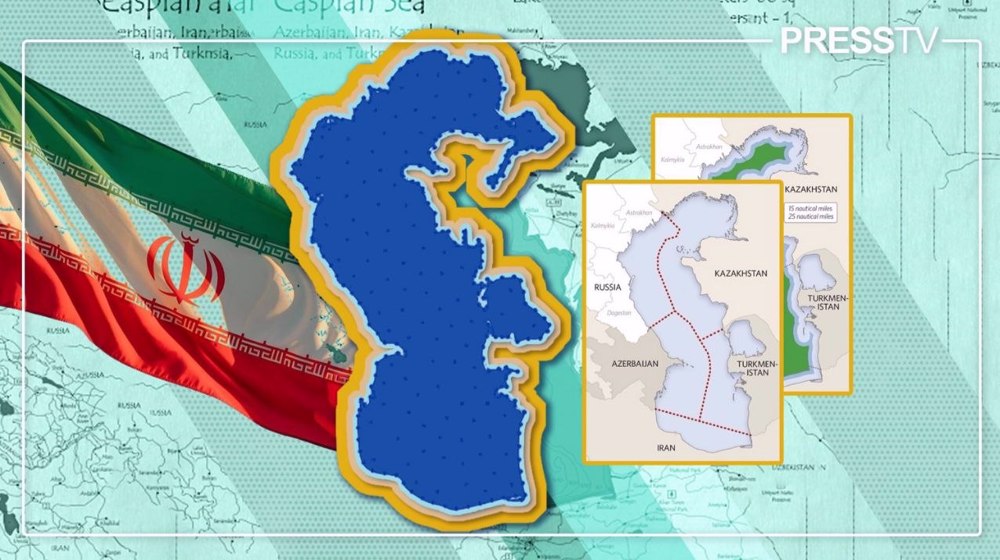
In July 2026, Iran ratified the 2018 Convention on the Legal Status of the Caspian Sea, becoming the last of the five littoral states to do so. This convention, signed in Aktau, Kazakhstan, establishes the legal framework governing navigation, fishing, environmental protection, and security in the Caspian Sea, the world's largest inland body of water bordered by Iran, Russia, Azerbaijan, Kazakhstan, and Turkmenistan. The convention prohibits the presence of military forces from non-littoral states in the Caspian Sea. Additionally, Iran will host the 7th Conference of the Parties to the Tehran Convention in September 2026, demonstrating its active role in regional environmental cooperation.
On this page
Key Facts
- On 22 July 2026, Iran's cabinet approved the bill to ratify the 2018 Convention on the Legal Status of the Caspian Sea.
- The convention was originally signed in 2018 at Aktau, Kazakhstan by the five Caspian littoral states: Iran, Russia, Azerbaijan, Kazakhstan, and Turkmenistan.
- The Caspian Sea is the world's largest inland body of water and is landlocked, bordered by the five mentioned nations.
- The 2018 convention provides a legal framework for the use of the Caspian Sea, covering navigation, fishing, environmental protection, and security-related provisions.
- It prohibits the presence of military forces from states that do not border the Caspian Sea.
- Sea bed delimitation and baseline issues are left to bilateral negotiations among the littoral states.
- Iran was the last Caspian littoral state to ratify this convention as of mid-August 2026; the other four states ratified earlier.
- The Tehran Convention, signed in 2003, is the main regional treaty on environmental protection of the Caspian Sea.
- Iran will host the 7th Conference of the Parties to the Tehran Convention on 23 September 2026.
Background & Context
The Caspian Sea is a unique inland saltwater sea with immense strategic significance due to its natural resources, including oil and natural gas, fishing grounds, and marine biodiversity. Because it is landlocked and bordered by five nations, cooperation among these littoral states has been vital to managing the sea's resources and geopolitical status.
After decades of ambiguity about the legal status of the Caspian Sea, the 2018 Convention represented a landmark agreement, providing legal clarity and mechanisms for cooperation while respecting each state's sovereignty. Iran's ratification in July 2026 marked a crucial final step in formalizing this regional regime.
The Tehran Convention, signed in 2003, preceded this agreement and addresses environmental cooperation among Caspian states to protect marine ecology against pollution and degradation. Hosting the 7th Conference of the Parties in 2026 underscores Iran's ongoing commitment to regional environmental collaboration.
Why This Matters for Exams / Exam Relevance
This topic is critical for understanding international law on inland seas, regional cooperation among bordering states, and the geopolitics of resource-rich regions. The Caspian Sea's unique features and the recent ratifications have appeared in various competitive examinations under topics such as treaties, geopolitics, environment, and international maritime law.
Key details such as the timing of the convention signing (2018), the ratification by Iran (2026), the countries involved, and the specific provisions related to military presence and environmental protection are often tested. The Tehran Convention adds a dimension of environmental treaty law that enriches understanding of regional cooperation in environmental governance.
Points to Remember
- The Caspian Sea is bordered by five countries: Iran, Russia, Azerbaijan, Kazakhstan, and Turkmenistan.
- The 2018 Caspian Sea Convention was signed in Aktau, Kazakhstan, by these five littoral states.
- The convention sets the legal framework for navigation, fishing, environmental protection, and security in the Caspian Sea.
- Non-littoral states' military presence is prohibited in the Caspian Sea.
- Seabed delimitation and baseline matters are to be negotiated bilaterally by the coastal states.
- Iran ratified the convention on 22 July 2026, becoming the last state to do so.
- The Tehran Convention (2003) is the principal environmental treaty for the Caspian region; Iran will host the 7th Conference of the Parties on 23 September 2026.
Sources & Further Reading
| Document / Website | Link |
|---|---|
| Iran ratifies Caspian Sea Convention - GKToday | Open Iran ratifies Caspian Sea Convention - GKToday ↗www.gktoday.in |
| Tehran Convention and Caspian Sea Cooperation | Open Tehran Convention and Caspian Sea Cooperation ↗en.wikipedia.org |